Rev. Martin Luther King Jr.'s Son Discusses Voting Rights Act Stakes in Supreme Court Case
Rev. Martin Luther King Jr.'s son discusses the stakes of Louisiana v. Callais, a pivotal Supreme Court case affecting voting rights.
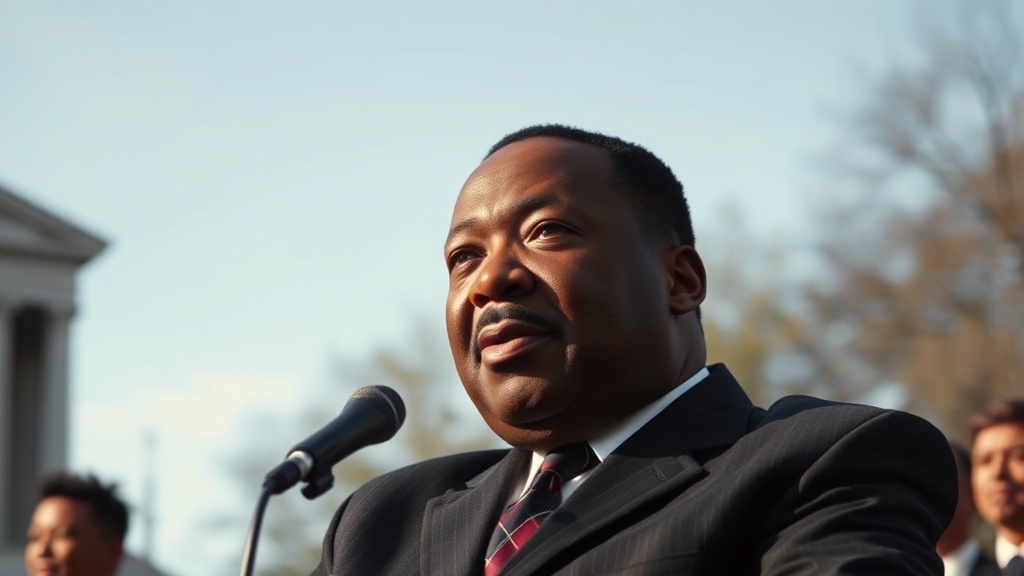
As the Supreme Court deliberates the pivotal case of Louisiana v. Callais, the future of the Voting Rights Act hangs in a delicate balance, provoking discussions about its significance and the progress made since its inception in 1965. This landmark legislation, designed to protect the voting rights of all American citizens, faces scrutiny and potential challenges that could redefine its enforcement in the years to come. In a recent conversation organized by Times Opinion, Rev. Martin Luther King Jr.'s son, Martin Luther King III, joined Norm Ornstein, a prominent scholar of voting rights, to delve into the implications of the case and reflect on the historical journey of voting rights in America.
The Voting Rights Act was enacted during a time of rampant racial discrimination and disenfranchisement, particularly in the South. It aimed to eliminate barriers that prevented African Americans from exercising their right to vote. King III emphasized the significance of the Act, stating, "Justice demands endurance. The struggle for voting rights is ongoing, and we must remain vigilant in ensuring that every voice is heard and counted."
The backdrop of the current case, Louisiana v. Callais, centers around allegations that certain voting regulations disproportionately affect minority voters. The Supreme Court's decision in this case could set a precedent that either strengthens or diminishes the protections established by the Voting Rights Act. Ornstein highlighted the stakes involved, noting, "This case is not just about Louisiana; it has far-reaching implications for voting rights across the entire country. If the Court decides to uphold restrictive measures, it could embolden states to enact even more discriminatory practices."
Historically, the Voting Rights Act has undergone several amendments and reauthorizations, reflecting the changing landscape of American politics and society. However, recent years have seen increasing challenges to its provisions. In 2013, the Supreme Court struck down a key section of the Act, which had required jurisdictions with a history of discrimination to obtain federal approval before changing voting laws. This ruling has led to a wave of new state laws that many argue are designed to suppress voter turnout among marginalized communities.
During the discussion, King III expressed concern over these developments, stating, "We cannot afford to take our rights for granted. The fight for equality is far from over. We must continue to educate our communities about their rights and the importance of participation in the electoral process."
Ornstein added that the current political climate poses additional challenges, with rising misinformation and polarization complicating the voting landscape. He remarked, "The integrity of our electoral system is under threat from multiple fronts. We must address these challenges head-on while ensuring that the fundamental right to vote remains protected."
In light of these challenges, community organizations across the nation are mobilizing to advocate for more equitable voting practices. Initiatives aimed at increasing voter registration, providing education on voting rights, and ensuring accessible polling locations are gaining momentum. King III highlighted the role of grassroots movements, stating, "Change often starts at the local level. We need to empower our communities to stand up for their rights and demand accountability from their leaders."
As the Supreme Court prepares to issue its decision on Louisiana v. Callais, the implications extend far beyond the courtroom. Citizens and activists alike are bracing for a ruling that could redefine the future of voting rights in America. The call for vigilance and action resonates deeply, as echoed by King III’s assertion that, "The legacy of my father and countless others who fought for civil rights compels us to continue this struggle. Justice is not a destination; it is a journey that requires our constant effort and dedication."
In conclusion, the ongoing conversation surrounding the Voting Rights Act and the pivotal case of Louisiana v. Callais underscores the fragility of democratic rights in America. As the nation watches closely, the outcomes of this case will reverberate across communities, shaping the landscape of voting rights for generations to come. The message is clear: the fight for justice and equality in the electoral process demands endurance, perseverance, and a collective commitment to uphold the principles of democracy.