The Impact of Trump's Policies: A Year in Review and Its Global Repercussions
As Trump’s second term marks a year, immigration policies stir global concern, reflecting deep societal divides.
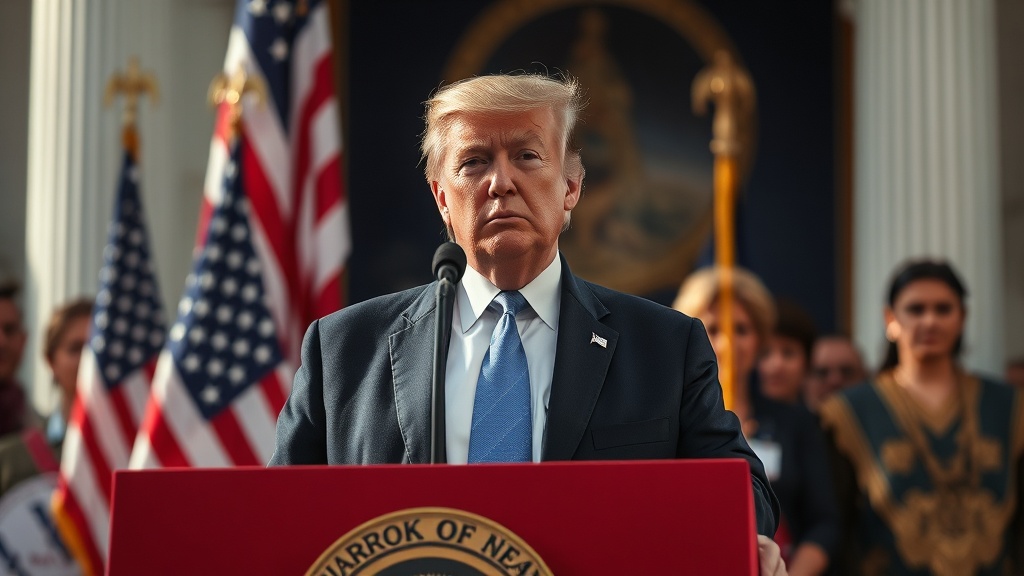
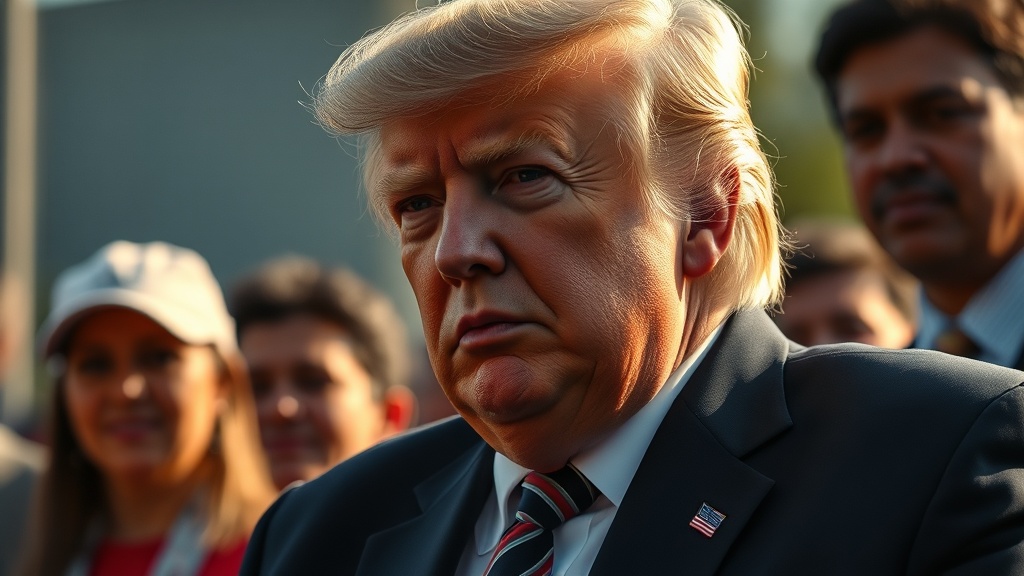
As the United States reaches the one-year mark of Donald Trump's second term, the ramifications of his administration's policies continue to reverberate both domestically and internationally. Friends and acquaintances from abroad often express disbelief at the unfolding events in the U.S., frequently accompanied by concerns for the well-being and safety of American citizens. This sentiment is not just anecdotal; it reflects a growing unease about the political climate in the country under Trump's leadership.
One notable area of concern is the controversial construction of a massive immigrant detention facility in Florida, often referred to as 'Alligator Alcatraz' due to its location and size. Legal battles surrounding this facility have intensified, with recent filings shedding light on the broader implications of such developments. The facility aims to detain thousands of immigrants, a move that critics argue is a continuation of harsh immigration policies that have characterized the Trump administration.
In a news release issued earlier this week, advocates for immigrant rights and legal organizations highlighted new legal strategies aimed at blocking the facility's construction. This legal case underscores a significant opposition movement that has emerged in response to Trump's immigration policies, which many view as excessively punitive. According to legal representatives involved in the case, the facility not only poses a threat to the rights of immigrants but also serves as a symbol of a broader shift in American values regarding human rights and compassion.
The facility's construction has ignited a fierce debate over immigration policy in the U.S. Proponents argue that such facilities are necessary to manage the increasing number of individuals crossing the border, citing concerns over national security and public safety. However, critics argue that the expansion of detention facilities represents a troubling trend towards criminalizing immigration. This dichotomy underscores a larger national conversation about how the U.S. perceives and treats immigrants, particularly in a time of heightened political polarization.
As the legal challenges unfold, public sentiment continues to be a crucial factor. Polling data suggests that a significant portion of the American public is increasingly concerned about the treatment of immigrants and the conditions within detention facilities. Human rights organizations report that many detainees face harsh conditions, including inadequate medical care, overcrowding, and psychological distress. These reports have fueled activism and advocacy campaigns aimed at promoting more humane treatment of immigrants.
The implications of these developments extend beyond the borders of the United States. Internationally, allies and observers are closely watching how the U.S. manages its immigration policies, especially in the context of global human rights standards. Many countries are grappling with their own immigration challenges, and the U.S. serves as a reference point for best practices—or cautionary tales—in how to handle these complex issues.
Moreover, there is a growing trend among U.S. citizens to engage in activism and advocacy related to immigration reforms. Grassroots organizations are mobilizing public support for legislative changes that would promote more humane immigration policies and challenge the current administration's approach. This movement reflects a wider realization among Americans that immigration is not merely a political issue but a humanitarian one that affects real lives.
As the second year of Trump's presidency unfolds, the legal battles over the Alligator Alcatraz facility may serve as a litmus test for the future of immigration policy in the United States. The outcomes could set significant precedents for how the country treats immigrants and what values it chooses to uphold. Observers note that the stakes are high, not just for those who are directly affected by these policies but also for the moral and ethical standing of the United States on the global stage.
In conclusion, the first year of Donald Trump's second term has brought about significant changes in the landscape of U.S. immigration policy, with the construction of the Alligator Alcatraz facility serving as a focal point of legal and social contention. As debates continue and legal battles unfold, the implications of these policies will likely shape the future of the nation and its approach to immigration for years to come. The eyes of the world remain on the United States, watching closely to see whether it will reaffirm its commitment to human rights and justice or retreat further into divisive and punitive measures.