UDOT's Heber Valley Bypass: A Clash Between Wetlands and Development
The Heber Valley Bypass project raises critical concerns over wetlands preservation vs. infrastructure development, igniting community debate.
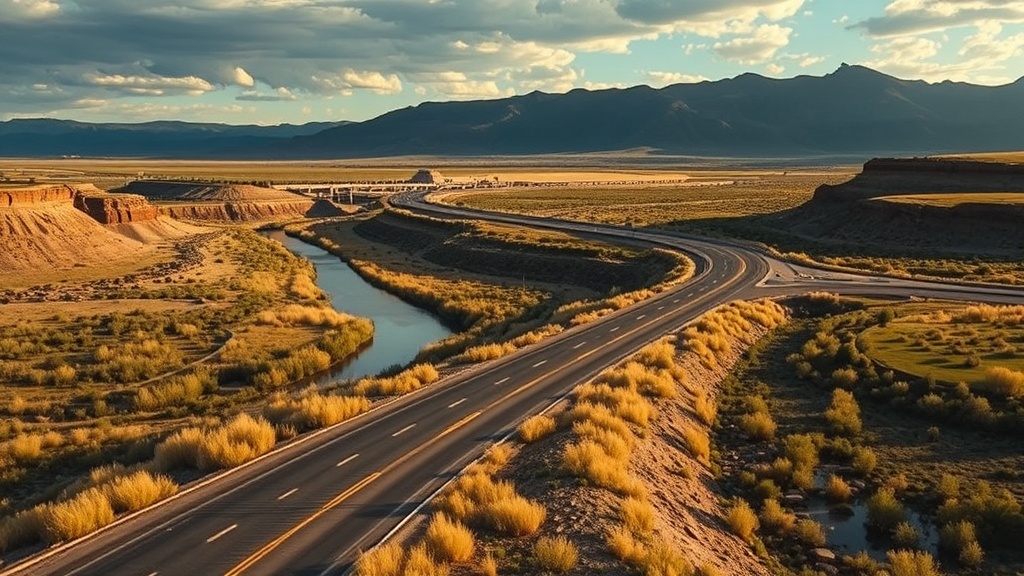
In the ongoing debate surrounding the Heber Valley Bypass project proposed by the Utah Department of Transportation (UDOT), critical environmental concerns are being brought to the forefront, particularly regarding the preservation of wetlands versus the development of infrastructure. The Draft Environmental Impact Statement (DEIS) has sparked discussions among community members, environmentalists, and local stakeholders, revealing a complex interplay of ecological protection and urban development needs.
The DEIS includes discussions on several important factors such as wetlands, historic structures, agricultural impacts, traffic patterns, and air and water quality. However, as local resident George Hansen notes, the analysis may not adequately inform decision-makers about the implications of the chosen alternatives. "The DEIS fails to sufficiently analyze and address fundamental impacts and corresponding alternatives," Hansen stated in a recent letter to the editor.
Central to the debate are regulations outlined in the Clean Water Act (CWA) and the Transportation Act. Under Section 404 of the CWA, the identification of the Least Environmentally Damaging Practicable Alternative (LEDPA) is crucial for minimizing harm to water resources. Hansen argues that the DEIS does not appropriately apply this standard, which he believes should favor Alternative A, aligning with the U.S. 40 route, as it poses less risk to the surrounding wetlands compared to Alternative B.
The DEIS indicates that approximately 24 acres of wetlands would be affected under Alternative A, while Alternative B would impact around 54 acres. This discrepancy raises questions about whether UDOT is prioritizing development goals over environmental preservation. Hansen emphasizes that the CWA mandates the selection of the least damaging alternative unless another option poses greater environmental harm.
Additionally, the DEIS addresses potential impacts on historic structures under Section 4(f) of the Transportation Act. It identifies three mid-20th century residences along U.S. 40 as “at risk” due to their proximity to the proposed route. However, the State Historic Preservation Office has indicated that these structures lack historical significance. The DEIS suggests that preserving the driveways of these residences would complicate the road design to the point of making it impracticable, ultimately favoring the development of Alternative B.
The implications of this choice are significant. If driveways are deemed more critical than wetlands, the environmental costs could be substantial. Hansen argues that the DEIS appears to prioritize the preservation of these driveways over the potential damage to over 54 acres of wetland area. Furthermore, the analysis states that both alternatives satisfy the project’s purpose and need, yet it also mentions that Alternative A is more beneficial in terms of aquatic resource effects, noise, and farmland impacts, as well as being less costly—estimated at $49 million less than Alternative B.
Despite these findings, the DEIS ultimately concludes that Alternative B represents the least overall harm, a decision that has left many stakeholders puzzled. Critics argue that this approach may lead to unintended consequences, particularly concerning induced growth. The DEIS suggests that if Alternative B is implemented, it is likely Heber City will annex the area, potentially leading to rapid urbanization and a rezoning of the land for high-density development.
The stakes are high, as local governments may find themselves lacking the political will or resources to implement adequate zoning protections once the infrastructure is in place. The anticipated growth could have significant implications for the region’s ecosystem, particularly in terms of water quality and habitat loss.
Given the complexity of the issues at hand, Hansen calls for UDOT to prepare a supplemental draft EIS that thoroughly addresses these shortcomings. He emphasizes the need for an unbiased application of both Sections 4(f) and 404 to ensure that environmental considerations are not overlooked in the pursuit of development.
As this situation continues to evolve, community members and environmental advocates are urged to remain engaged, as the final decisions made by UDOT will shape the future of the Heber Valley and its natural resources for generations to come. The balance between infrastructure development and ecological preservation remains a pivotal challenge in the face of growing urban demands.
In conclusion, the ongoing discussions surrounding the Heber Valley Bypass project highlight a critical crossroads for the community—one that will determine not only the future of transportation in the region but also the fate of its unique wetlands and historical landscapes. The outcome will require careful consideration of both environmental impacts and the needs of the local population, stressing the importance of a balanced approach to development.