The Implications of Trump's Greenland Interest on US Foreign Relations
President Trump's interest in acquiring Greenland raises complex questions about U.S. foreign relations and international diplomacy.
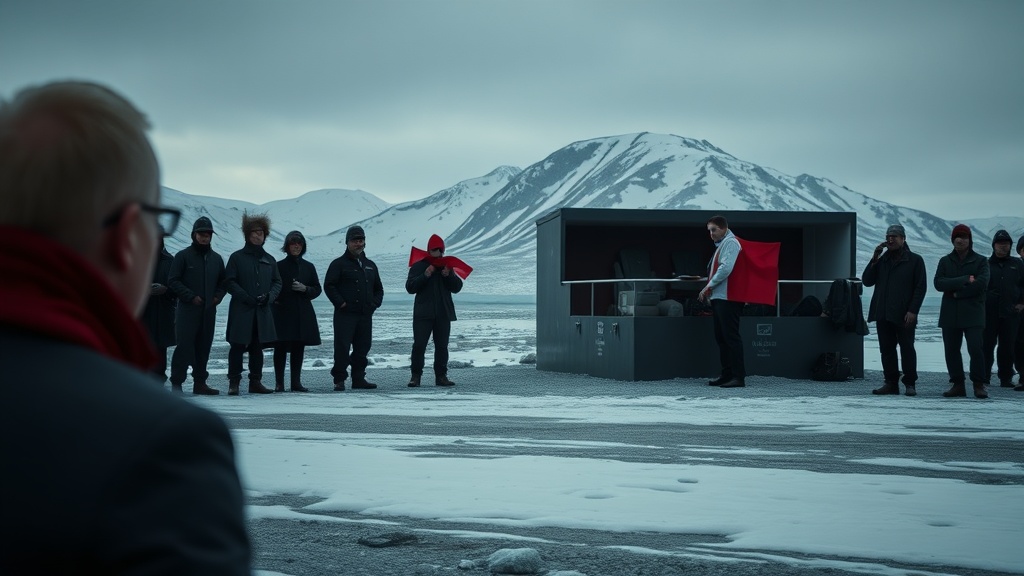
In recent months, President Donald Trump has reignited discussions about the United States potentially acquiring Greenland, a move that has raised eyebrows both at home and abroad. Initially perceived as a whimsical notion, Trump's interest has evolved into a more serious dialogue, prompting questions about its implications for U.S. foreign policy and international relations. The concept of purchasing Greenland, a semi-autonomous territory of Denmark, has sparked a mix of intrigue and concern among political analysts and diplomats alike.
Historically, the United States has had a complex relationship with Greenland. The U.S. purchased the Danish West Indies in 1917, which included the islands of St. Thomas, St. John, and St. Croix, and has maintained a military presence in Greenland since World War II. The Thule Air Base, located in Greenland, is one of the northernmost U.S. military installations and plays a critical role in surveillance and defense strategies in the Arctic region. However, the idea of acquiring Greenland has never gained serious traction until now, as President Trump has shown a renewed interest in the territory.
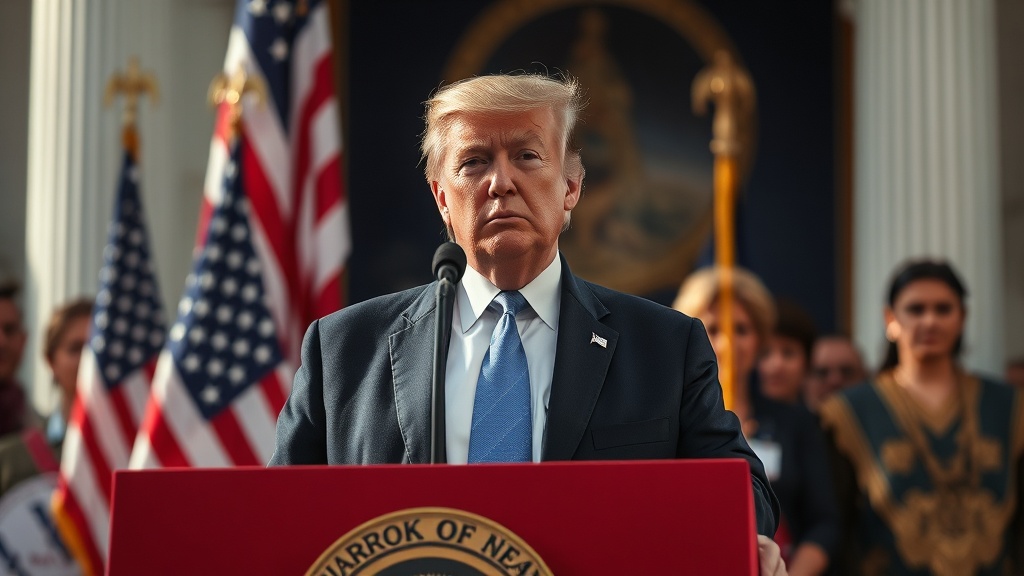
In August 2019, President Trump first brought the idea to the forefront during a state visit to Denmark. During a press conference, he described Greenland as a “strategically significant” location and expressed his desire to explore the possibility of a purchase. This statement was met with immediate backlash from Danish officials, including Prime Minister Mette Frederiksen, who dismissed the idea as an absurdity. Trump’s suggestion led to a diplomatic spat that resulted in the cancellation of his planned visit to Denmark, reflecting the tensions that can arise from such proposals.
The implications of Trump's interest in Greenland extend beyond mere territorial acquisition. Analysts warn that pursuing such a strategy could severely strain U.S.-Denmark relations, which have historically been strong. The Danish government has been clear about its position, emphasizing Greenland's self-governance and cultural significance to its people. Any attempt by the U.S. to assert control over Greenland could be seen as a neocolonial move, provoking resistance not only from Denmark but from the international community as well.
Moreover, Trump's rhetoric about potential military force in the acquisition process raises alarms regarding the use of violence in international negotiations. While the President did not specify what he meant by “force,” such statements can escalate tensions and create a precarious environment for diplomatic relations. The use of military threats to negotiate territorial changes is an approach that many in the international community find troubling, especially in an era where diplomacy is often favored over military interventions.
Furthermore, the strategic importance of Greenland cannot be understated. With climate change leading to the melting of Arctic ice, the region has become increasingly significant for global powers looking to secure shipping routes and natural resources. Countries like Russia and China have also expressed interest in the Arctic, seeing it as a new frontier for economic expansion. The U.S. maintaining a stable and cooperative relationship with Denmark and Greenland is crucial to ensuring that it remains a key player in Arctic affairs.
As discussions continue, it is essential to consider the perspectives of the Greenlandic people themselves. The island, which has a population of about 56,000, has its own government and a desire for increased autonomy. Many Greenlanders view themselves as distinct from Denmark and have expressed a desire to control their own destiny. A U.S. acquisition could undermine these aspirations and provoke significant backlash from the local population.
In light of all these factors, President Trump’s Greenland proposal is not merely a whimsical notion but a complex issue that intertwines with U.S. foreign policy, international relations, and the aspirations of the Greenlandic people. As the President continues to assert his interest, it remains to be seen how this situation will develop and what impact it will have on the United States' standing in the world. The ramifications of such a move could reverberate well beyond the Arctic, influencing U.S. relationships with other nations and shaping global geopolitical dynamics for years to come.
In conclusion, while President Trump’s interest in Greenland may appear to be a straightforward acquisition proposal, it is, in fact, a multifaceted issue that raises significant questions about international relations, territorial sovereignty, and the future of U.S. diplomacy. As the world watches closely, the importance of careful and respectful dialogue cannot be overstated, especially in an era marked by geopolitical tension and shifting alliances.