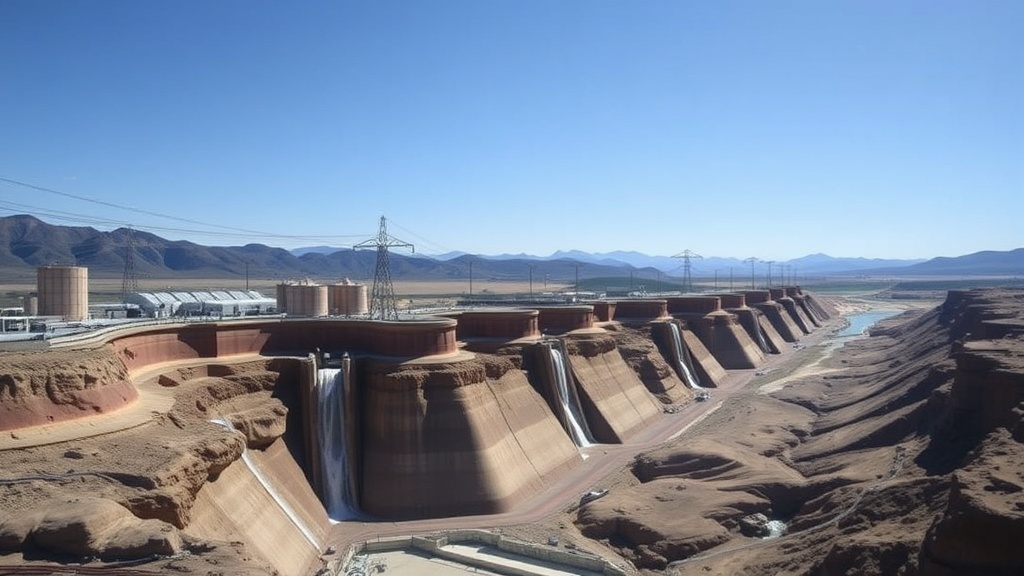
Silicon Ridge Mine in Utah: A Key Player in AI-Critical Minerals
Ionic Mineral Technologies has confirmed a large deposit of critical minerals in Utah, aiding U.S. supply chain efforts.
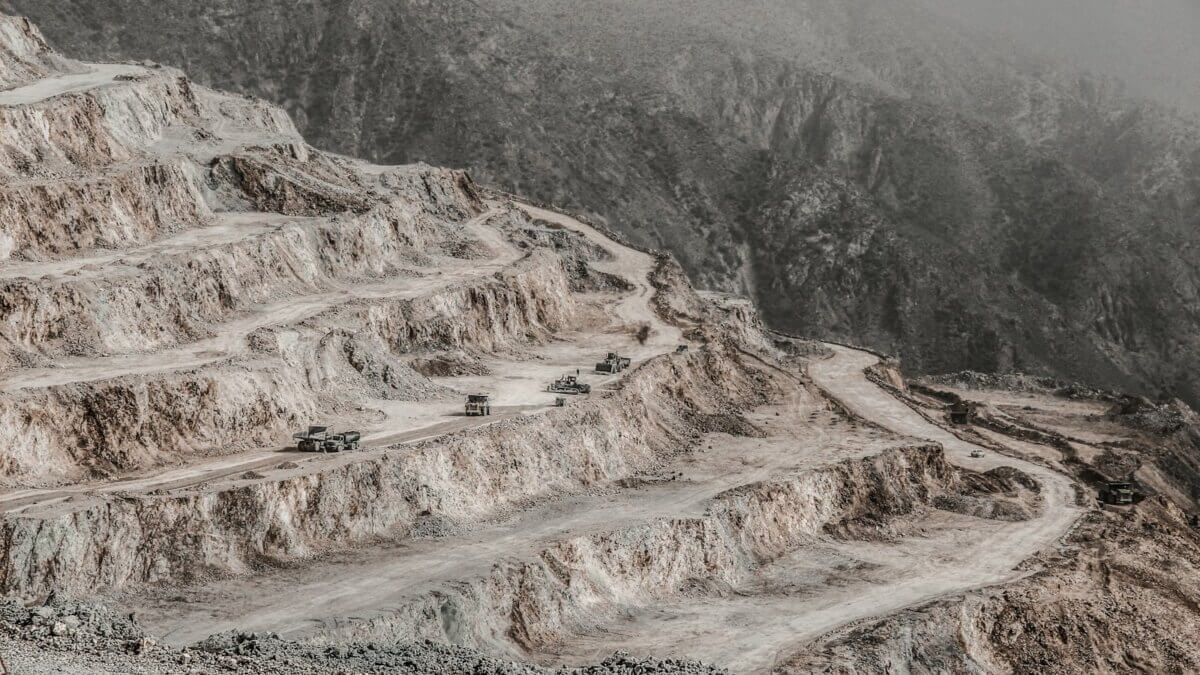
PROVO, Utah — Ionic Mineral Technologies (Ionic MT), a mining and materials company based in Provo, has confirmed a significant deposit of critical and rare earth minerals in Utah County. This deposit could aid the U.S. in decreasing its dependence on foreign supply chains, particularly as China dominates the global production and processing of these materials, according to The Salt Lake Tribune. The confirmed deposit is located at the Silicon Ridge mine near Utah Lake, situated less than 20 miles from the Silicon Slopes tech corridor.
The minerals are found suspended in clay, which makes extraction easier compared to traditional hard rock mining. Ionic MT claims it can operate with virtually no waste while avoiding the use of explosives or chemicals on-site. CEO Andre Zeitoun stated that the clay contains 16 critical minerals, such as gallium and germanium, which are essential in electronics, fiber-optic cables, and lasers. Recent export bans imposed by China on these minerals have led U.S. companies to seek alternative sources.
The Silicon Ridge mine is located on the southern end of the Lake Mountains, with land leased from the State Trust Lands Administration. Ionic MT also holds a permit from the Utah Division of Oil, Gas and Mining, although specific permit terms remain confidential.
Mick Thomas, Director of the Utah Division of Oil, Gas and Mining, expressed enthusiasm about the project's potential. Ionic MT, established in 2020, initially focused on mining halloysite clay from Juab County. The company processes this mineral at a 74,000-square-foot facility in Provo, and has recently begun exploring additional mineral resources at Silicon Ridge.
Early testing has shown a consistent distribution of metals, with third-party assessments confirming high concentrations of elements such as rubidium, cesium, scandium, lithium, vanadium, tungsten, and niobium. The deposit is believed to originate from similar ancient volcanic formations that have yielded rich mineral deposits in China. Currently, China accounts for about 60% of global rare earth supplies and controls around 90% of processing.
Ionic MT initially leased 4,053 acres in 2023 and later sought an additional 3,700 acres based on positive mineral concentration findings. The state will receive $13 per acre annually and $1.60 per ton, or 10% of the gross value of mined clay, whichever is greater, with proceeds directed to Utah schools.
With essential permits and a processing facility already established, Ionic MT is poised to move quickly, potentially creating hundreds of local jobs. State leaders view this discovery as an economic opportunity, with Governor Spencer Cox highlighting its significance for both Utah and the nation.