Understanding Water and Power Needs for Utah's Future Data Centers
Utah's push for data centers raises critical questions about the sustainability of its water and power resources amid rapid tech growth.
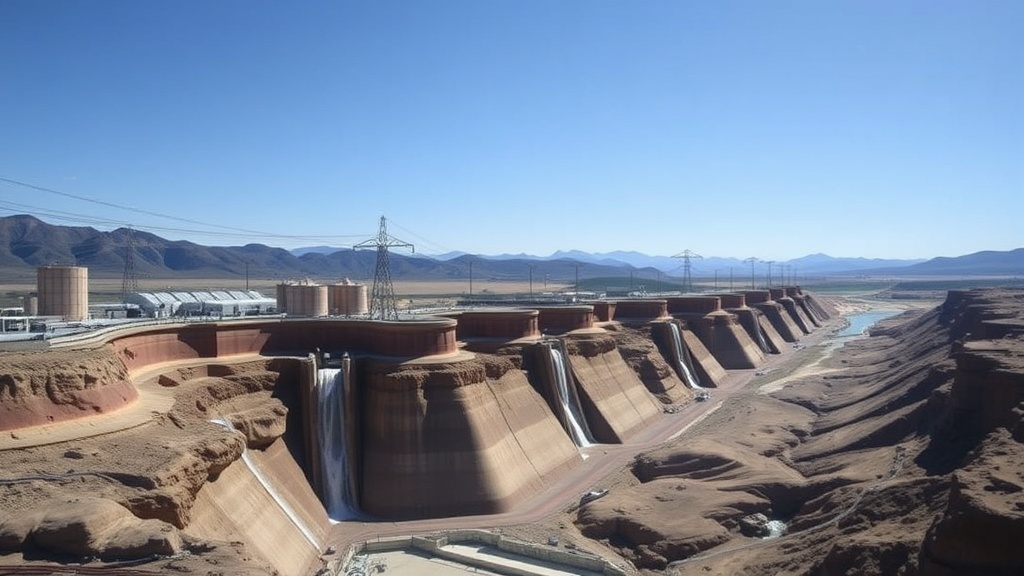
As the technology sector continues to expand, Utah is positioning itself as a prime location for the next generation of large data centers. These facilities are critical in supporting the vast digital infrastructure that underpins modern life, from cloud computing to streaming services. However, as interest surges from tech giants eager to capitalize on Utah's perceived advantages, concerns are emerging regarding the sustainability of the state's water and power resources. Local stakeholders and environmental experts are urging a comprehensive assessment to ensure that the state's natural resources can meet the demands of these massive operations.
The push for data centers in Utah is not without precedent. The state has seen a surge in tech investments over the past decade, largely due to its favorable business climate, access to skilled labor, and the promise of cheaper utilities. Major companies like Google, Facebook, and Amazon have already established data centers in the region, drawn by the availability of renewable energy and a stable water supply. However, the rapid influx of these facilities raises critical questions about the long-term viability of the state's resources.
Water, a crucial component for cooling data centers, is a resource that is becoming increasingly scarce in many parts of the western United States, including Utah. According to the U.S. Geological Survey, Utah is one of the driest states in the nation, with water scarcity becoming a pressing issue due to climate change and population growth. Recent reports indicate that the state is facing a water crisis, with projections suggesting that demand will outstrip supply by 2060 if current consumption patterns continue. This reality has prompted local officials to reconsider how water is allocated, particularly for industries that consume large amounts of it, such as data centers.
In a recent statement, Utah Governor Spencer Cox acknowledged the importance of balancing economic development with resource conservation. "We want to attract businesses to Utah, but we must also ensure that our natural resources are protected for future generations," he said. This sentiment is echoed by environmental advocates who stress the need for a strategic plan that addresses the sustainability of water and energy resources in relation to the growth of the tech sector.
Power consumption presents another layer of complexity in the discussion surrounding data centers. These facilities require significant energy, and while Utah has made strides in increasing its renewable energy portfolio—primarily through wind and solar—the rapid growth of data centers could outpace these efforts. The Utah Department of Natural Resources has indicated that while the state has sufficient energy capacity currently, the long-term projections are concerning. If data centers continue to multiply, they could strain the existing power grid, leading to increased costs and potential shortages.
A recent report from the Rocky Mountain Power indicated that the demand for electricity in the region is expected to rise by 30% over the next decade, primarily driven by data centers and other high-demand industries. This reality has prompted discussions among state officials, utility companies, and environmentalists about the need for proactive measures to ensure that the power supply remains stable and sustainable.
Local municipalities are also grappling with the implications of new data centers, as they are often tasked with infrastructure development to support these projects. Cities like Eagle Mountain and Saratoga Springs have experienced rapid growth in tech-related investments, leading to increased pressure on local resources. City planners are now faced with the challenge of managing growth while ensuring that services like water supply and electricity are not compromised.
In response to these challenges, some local leaders are advocating for a collaborative approach that involves stakeholders from various sectors, including government, industry, and environmental organizations. This multi-faceted strategy aims to create a roadmap for sustainable growth that accommodates the demands of the tech industry while safeguarding the environment.
As the dialogue continues, the focus remains on finding a balance that allows Utah to thrive economically without jeopardizing its natural resources. The stakes are high; if the state does not adequately address its water and power needs, it risks losing out on future investments as companies search for more sustainable locations.
In conclusion, Utah stands at a crossroads as it seeks to build its reputation as a tech hub. The influx of data centers presents an economic opportunity, but it also necessitates a careful examination of the state’s resource management policies. By prioritizing sustainability and collaboration, Utah can ensure that it remains an attractive destination for tech giants while protecting its vital natural resources for generations to come.