American Farmers Confront Global Market Challenges Amid Reduced Federal Support
American farmers face significant challenges from a volatile global market and reduced federal support, impacting their livelihoods and international standing.
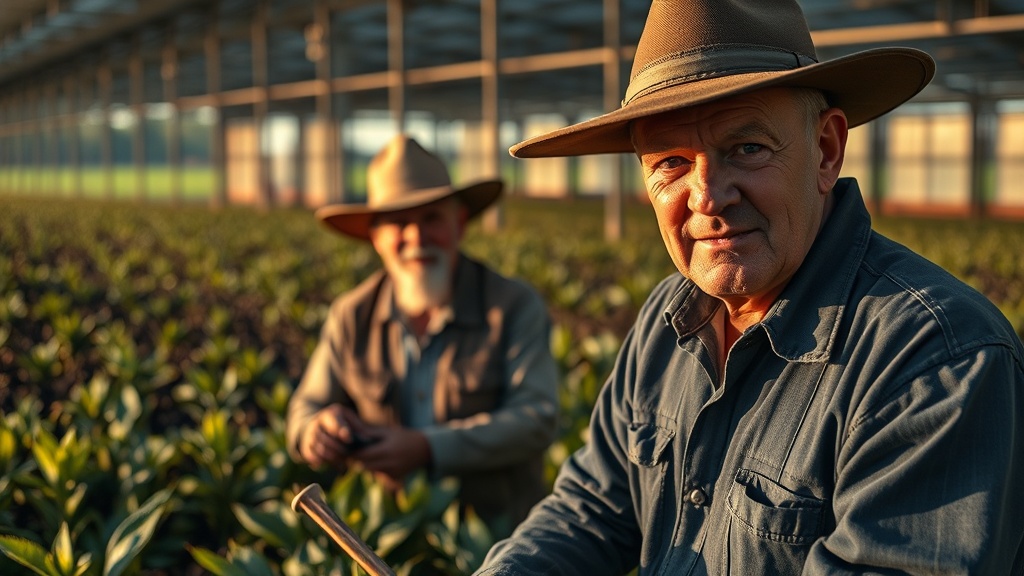
In a landscape increasingly defined by volatility and uncertainty, American farmers are grappling with the challenges posed by a shifting global market and diminishing federal support. Once hailed as the backbone of the agricultural world, U.S. farmers now find themselves navigating complex trade dynamics and geopolitical tensions that threaten their livelihoods and the very fabric of American agriculture.
Historically, the relationship between American farmers and U.S. foreign policy has been a strong one, rooted in a shared commitment to feeding not just the nation but the world. This connection began in earnest during World War II, when the U.S. government leveraged its agricultural resources to support allies through programs like the Lend-Lease Act. The act not only supplied critical military resources but also created a surge in demand for food products, marking a significant shift in the role of American agriculture on the global stage.
Post-war, this agricultural diplomacy continued under various initiatives, including the Marshall Plan, which aimed to rebuild Europe by providing essential food supplies. Programs like Food for Peace further reinforced the idea that American farmers were vital to U.S. foreign policy, as they sent surplus food to countries in need, fostering goodwill and stability abroad. The U.S. Agency for International Development (USAID) also played a crucial role in integrating food aid into the broader context of international relations.
However, the landscape began to shift dramatically in the early 1990s, following the end of the Cold War. As the geopolitical landscape evolved, so too did the strategies surrounding U.S. agriculture. The dissolution of the Soviet Union marked a turning point; the need for a unified agricultural strategy diminished, and the U.S. began to embrace a more competitive stance in global markets.
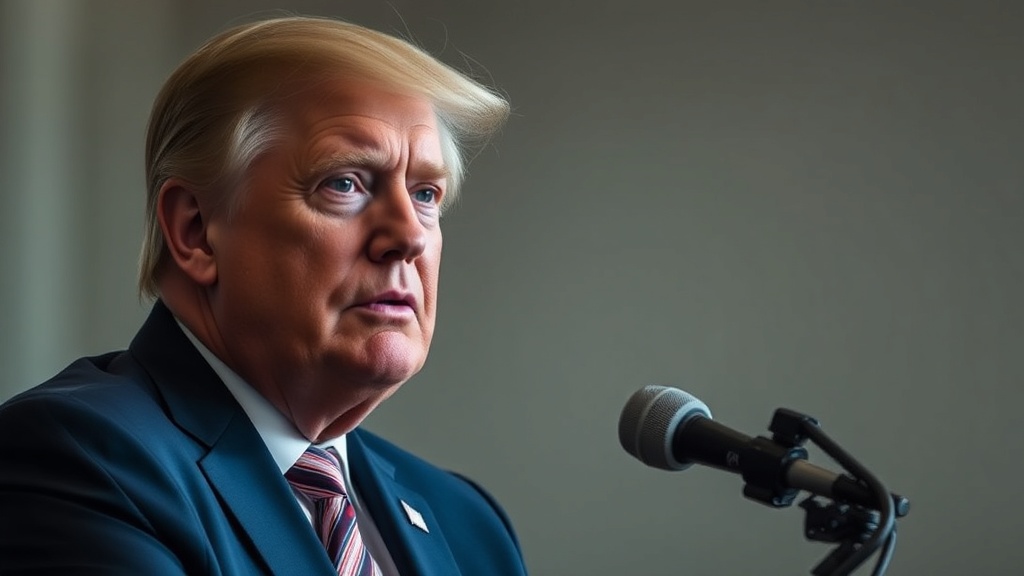
Fast forward to the present day, and the administration of President Donald Trump has taken significant steps that further disrupt this longstanding relationship. Since returning to office in January 2025, Trump has initiated a series of actions that many experts believe undermine the security and prosperity of American farmers. Key among these is the dismantling of USAID, which has traditionally been a key player in agricultural development and international food assistance.
Moreover, Trump's aggressive immigration policies have led to the detention and deportation of many suspected noncitizen farmworkers, exacerbating labor shortages in an industry already struggling to find sufficient manpower. With many U.S. farms relying heavily on seasonal labor, particularly from countries like Mexico and the Caribbean, these policies have raised alarms among farmers who depend on this workforce to meet production demands.
Adding to the turmoil, the administration's imposition of tariffs has triggered retaliatory measures from trading partners, significantly reducing international demand for U.S. agricultural products. Farmers who once thrived in a robust export market now face unprecedented challenges, as trade wars escalate and foreign competitors like Brazil gain ground in key markets.
As American farmers struggle to adapt to these new realities, the implications for the agricultural sector are profound. The rising costs of seeds, fertilizers, and the competition from emerging markets have placed additional strains on farm revenues. In response, the Trump administration announced a $12 billion bailout for farmers in December 2025, a move that underscores the urgent need for government intervention to stabilize a sector in distress.
Despite this assistance, many farmers and experts argue that relying on government bailouts is not a sustainable long-term solution. The historical reliance on international markets for prosperity has been fundamentally altered, and many are calling for a renewed approach to agricultural policy that emphasizes support for domestic production while also fostering international trade relations.
As American farmers navigate this turbulent landscape, their future may depend on a delicate balance of government support and the ability to adapt to an increasingly competitive global environment. The challenges they face are not just economic but also reflect broader geopolitical dynamics that continue to reshape the agricultural landscape. The question remains: can American farmers reclaim their position as leaders in global agriculture, or will the new reality of a volatile market redefine their role in the years to come?
In conclusion, the intersection of agriculture and global policy is more complex than ever, and American farmers stand at a crossroads. Their resilience will be tested in the face of diminishing federal backing and an unpredictable global market, but their ability to adapt and innovate will be crucial in determining the future of American agriculture.