Persistent Inversions Lead to Deteriorating Air Quality Across Utah
A strong inversion over Utah is causing poor air quality and haze, prompting health warnings and safety measures for residents.
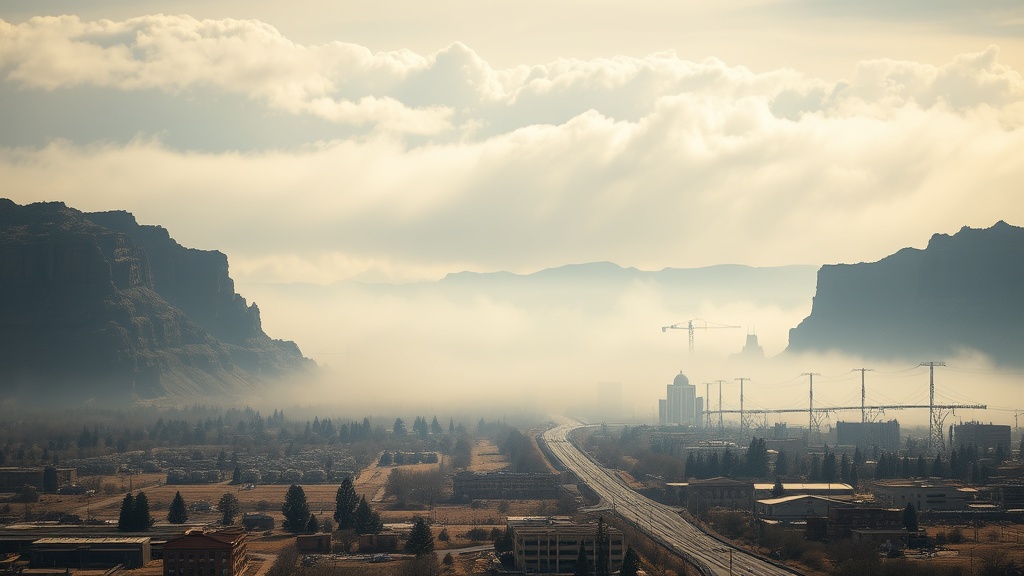
SALT LAKE CITY, UTAH - A strong atmospheric inversion is currently settling over Northern Utah and southwestern Wyoming, leading to deteriorating air quality and increased haze in the region. The stagnant weather pattern, characterized by cold air trapped in the valleys beneath a layer of warmer air, is allowing pollutants to accumulate, creating a blanket of smog that is especially pronounced along the Wasatch Front. Residents are being urged to take precautions as the inversion is expected to persist, causing concerns for health and visibility.
The phenomenon of atmospheric inversion occurs when warm air traps cooler air at lower altitudes, preventing the dispersal of pollutants. This is particularly problematic in urban and mountainous areas where valleys can hold cold air. As a result, areas like Salt Lake City are experiencing a significant increase in haze and smog, which can impact respiratory health and overall well-being. In addition to the smog, fog has been reported in places such as Eastern Box Elder County, further complicating visibility and driving conditions.
"The air quality has really taken a hit this week, and it’s important for residents to be aware of the situation and take steps to mitigate their impact on the air we breathe," said meteorologist Jane Smith from the National Weather Service. "Cutting back on driving and avoiding idling your vehicle are practical steps that individuals can take to help improve air quality until the weather pattern changes."
Residents are being advised to limit outdoor activities, especially those that require physical exertion, as the poor air quality can exacerbate conditions like asthma and other respiratory illnesses. Additionally, vulnerable populations such as children, the elderly, and individuals with pre-existing health conditions are particularly at risk during these inversions. Local health officials have been monitoring the air quality index (AQI) closely, and advisories may be issued as conditions change.
Looking ahead, there is some hope for improvement as a storm system is forecasted to move south across the plains on Friday. While this storm is not expected to make a direct impact on the region, the associated colder air and upper-level winds could help to weaken the persistent inversions. "Even a slight change in atmospheric conditions can lead to better air quality as it allows the pollutants to disperse more effectively," explained Smith.
As residents prepare for the potential storm, they are also reminded to stay informed about air quality levels through resources such as the Utah Air Quality website and local news outlets. The community is encouraged to remain proactive in reducing emissions and to utilize public transportation options when possible.
In the meantime, the forecast for Salt Lake City indicates hazy sunshine on Wednesday, with temperatures reaching the low 40s during the day and dipping to the mid-20s at night. St. George, on the other hand, is expected to enjoy sunny and mild weather, with highs in the mid-60s and clear, cold nights with lows around the mid-30s.
As Utahns navigate the challenges posed by poor air quality, it remains crucial for individuals and families to stay informed, take necessary precautions, and advocate for cleaner air initiatives. The persistence of these inversions highlights the ongoing need for dialogue around environmental policies and community efforts aimed at improving air quality in the long term. The health and safety of residents depend on collective action and awareness as the region continues to face the impacts of winter inversions.
For real-time weather updates and air quality information, residents can download the Utah Weather Authority app or subscribe to local news newsletters for daily forecasts. Additionally, those interested in monitoring traffic conditions can access the FOX 13 News LIVE Traffic service to stay informed while navigating the hazy conditions. With public safety at the forefront, community members are encouraged to remain vigilant and proactive as they contend with the challenges posed by atmospheric inversions and poor air quality during the winter months.