Northern Utah Faces Declining Air Quality Amid Unseasonably Warm Weather
Northern Utah faces worsening air quality due to a high-pressure system, while southern regions experience unusually warm temperatures.
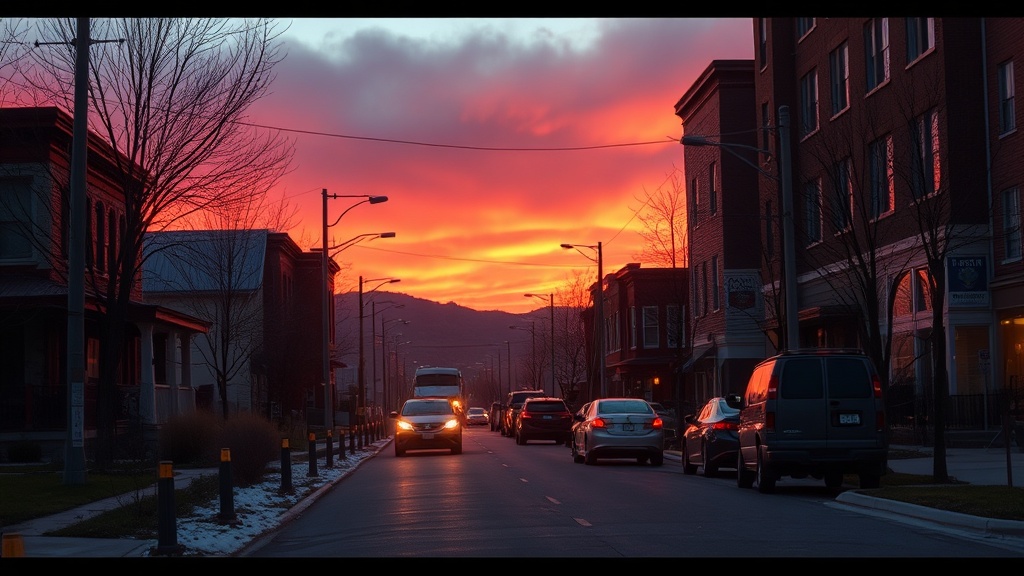
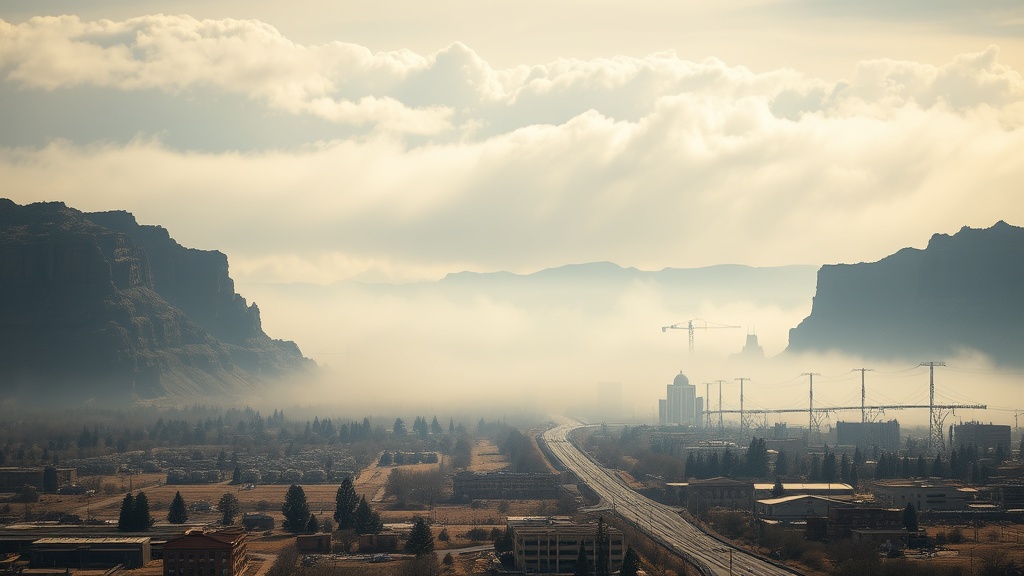
Northern Utah is currently experiencing a significant decline in air quality, exacerbated by a persistent high-pressure ridge that has settled over the region. The situation is particularly concerning for residents in the northern valleys, where air pollution levels have reached alarming heights. Meanwhile, central and southern Utah are bucking seasonal trends, with temperatures soaring above average, sparking concerns regarding health and environmental impacts.
The Utah Department of Environmental Quality (DEQ) has issued air quality alerts for multiple counties as fine particulate matter (PM2.5) concentrations rise. These small airborne particles can penetrate deep into the lungs and are linked to a range of health problems, including respiratory issues and cardiovascular diseases. In recent days, areas such as Cache Valley and the Salt Lake Valley have reported levels classified as "unhealthy for sensitive groups," which includes children, the elderly, and individuals with pre-existing health conditions.
"We are seeing a classic inversion scenario," said Dr. Emily Johnson, an air quality specialist with the DEQ. "The high-pressure system traps pollutants close to the ground, leading to increased levels of smog and particulate matter. This is a common occurrence in the winter months, but the current conditions are more severe due to the stagnation of air and lack of wind."
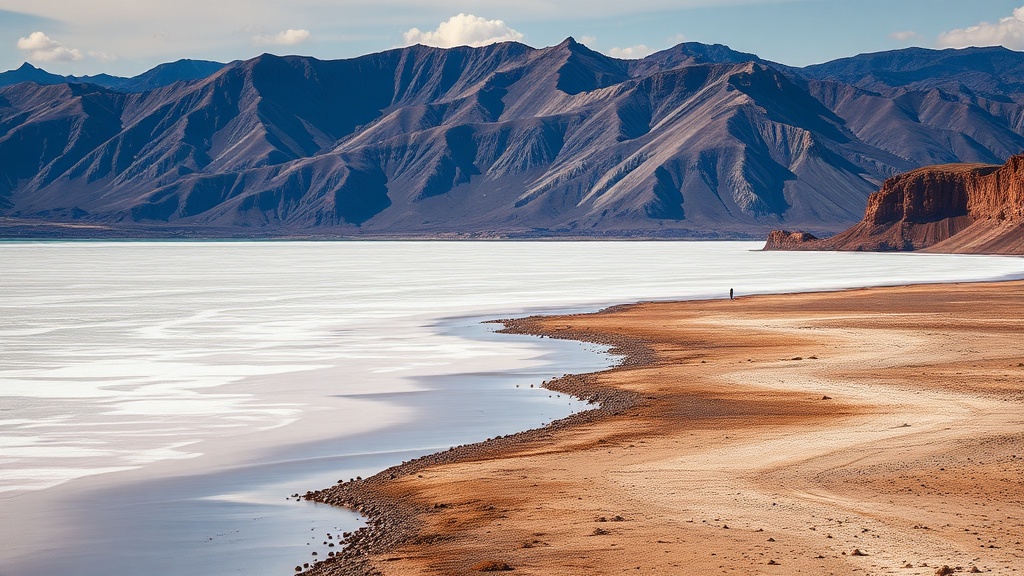
In stark contrast, southern Utah is grappling with unseasonably warm temperatures. Areas like St. George are experiencing highs that are 10 to 15 degrees above the historical averages for this time of year. Weather experts indicate that this warmth is a direct result of the same high-pressure system causing air quality issues in the north.
"What we're witnessing is a complex interplay of weather patterns," noted meteorologist Tom Reyes. "While the north is dealing with stagnant air and pollution, the southern part of the state is benefiting from clear skies and significant warmth. This divergence can have various implications for local ecosystems and public health."
The disparities in weather conditions are raising concerns among health officials and environmental advocates. As air quality declines in northern regions, there are fears that prolonged exposure to poor air could lead to an increase in hospitalizations related to respiratory illnesses. In addition, the warmer temperatures in the south may lead to early flowering in plants, which could disrupt local biodiversity.
Local health departments are advising residents in affected areas to take precautions. "If you live in a region with worsening air quality, limit outdoor activities, especially during the morning and late evening when pollution levels tend to be higher," recommended Dr. Sarah Lee, a public health official. "It’s crucial for sensitive groups to stay indoors as much as possible."
As the situation unfolds, the DEQ continues to monitor air quality levels closely, providing daily updates and recommendations to the public. The agency is also urging individuals to minimize activities that contribute to air pollution, such as driving and using wood-burning stoves, particularly in the northern valleys.
Looking ahead, weather forecasts indicate that the high-pressure system may persist for several more days, maintaining the status quo of poor air quality in northern Utah while southern regions remain warm. However, changes in weather patterns are expected late next week, which could bring relief to both air quality and temperature extremes.
In light of these conditions, environmental groups are calling for increased public awareness and action on air quality issues. "This is a wake-up call for our communities to prioritize clean air initiatives and advocate for policy changes that can help combat pollution," stated Maria Gonzalez, director of the Utah Clean Air Coalition.
In conclusion, as the state grapples with these contrasting weather phenomena, residents are urged to stay informed and take necessary precautions. With the health of Utahns on the line, the interplay between air quality and temperature underscores the urgent need for collective action to safeguard the environment and public health.
As the situation continues to develop, both residents and officials are left navigating the challenges posed by these extreme weather patterns, hoping for a timely resolution to the ongoing air quality crisis in northern Utah and relief from the heat in the south.