Park City Mayor's Controversial Vote Raises Community Concerns Over Representation
Mayor Dickey's tie-breaking vote for Miller raises concerns over representation in Park City governance.
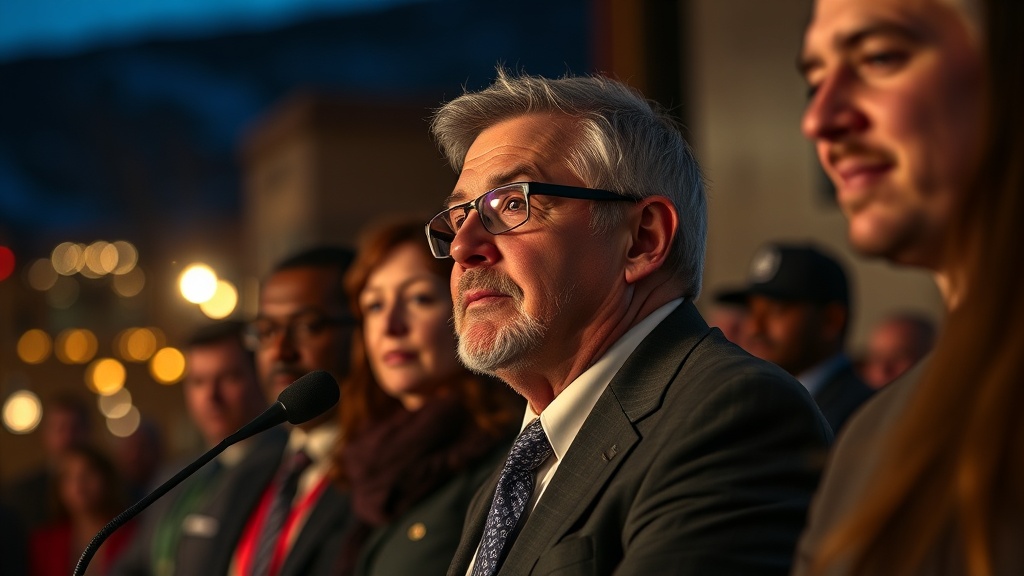
In a recent decision that has ignited considerable debate among Park City residents, Mayor Dickey cast a tie-breaking vote to appoint Molly Miller to the Park City Council, following a contentious deadlock between Miller and Jack Rubin. This pivotal vote, which occurred after a tightly contested mayoral election decided by a mere seven votes, has been perceived by many as a significant consolidation of power that could undermine the voices of a substantial portion of the community.
The council's recent vote showcased a split among its members, with the initial tally reflecting differing opinions on the direction of the local government. With Dickey's vote favoring Miller, the council now leans heavily towards the mayor’s political views, leaving some residents questioning the council’s balance and representation. Critics of the appointment argue that Dickey's maneuver not only sidesteps the principles of inclusivity and diversity but also signals an early entrenchment of power that could affect governance for years to come.
The mayor's electoral victory was notably slim, with the recount revealing that he had won by just seven votes. This narrow margin has led many to speculate that a more collaborative approach would have been prudent, particularly in light of the nearly equal support that Rubin garnered during the election. Rubin's supporters are now expressing feelings of disenfranchisement, as they believe their perspectives and policy priorities are being overshadowed by a consolidated council agenda.
DJ Brooks, a Park City resident, articulated these sentiments in a pointed letter to the editor, stating, "This wasn’t about finding the best candidate from the ten applicants or respecting the broad public input during interviews and comments. It was a calculated step to stack the deck, control the agenda throughout your term, and effectively disenfranchise the alternate voices that Rubin represented." Brooks’ comments reflect a broader dissatisfaction among residents who feel that their voices are being ignored in favor of a more streamlined governance approach.
The implications of this decision extend beyond individual appointments; they raise questions about the future of local governance in Park City and the balance of power within the council. Many residents are concerned that the current political landscape could lead to decisions made without robust public input, prompting fears of governance that prioritizes a singular vision over a diverse set of community interests.
Furthermore, residents have expressed their desire for a council that reflects the varied perspectives within Park City, particularly on critical issues such as housing, environmental sustainability, and community development. The appointment of Miller, who is seen as closely aligned with Dickey’s political stance, further complicates these dynamics, as it risks creating a council that lacks the necessary diversity of thought to address the community's multifaceted challenges.
The mayor’s decision has sparked a call for greater transparency and engagement with the public, as many citizens demand a more inclusive approach to governance. As Park City grapples with rapid growth and development, the need for diverse representation becomes even more critical. The community is anxiously observing how Dickey’s administration will navigate these pressures in the coming months.
Looking ahead, it remains to be seen how the dynamics within the council will evolve and whether residents will rally for changes that promote greater inclusivity and representation. The recent appointment has certainly set the stage for ongoing discussions about the role of local government and the importance of listening to all constituents.
As Park City enters this new chapter of governance, the repercussions of this decision will undoubtedly resonate throughout the community, potentially influencing public trust and engagement with local leadership. The hope among many residents is that this moment can serve as a catalyst for renewed dialogue and collaboration, rather than further entrenchment of power dynamics that leave significant voices unheard.
In conclusion, the appointment of Molly Miller has not only highlighted the complexities of local governance but also underscored the necessity of ensuring that all community members feel represented and valued in the decision-making process. As Park City moves forward, the challenge will be to reconcile differing viewpoints and build a more inclusive council that truly reflects the diverse fabric of its residents.