Utah Lawmakers Propose Sweeping Changes to Judicial Retention Elections
Utah lawmakers propose significant changes to judicial retention elections, aiming to enhance accountability and address public concerns.
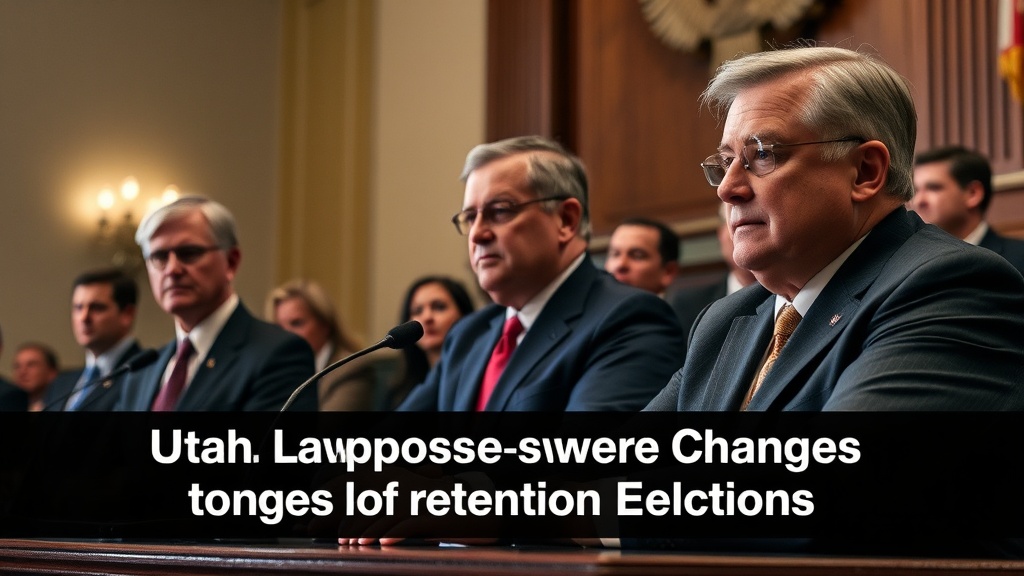
In a significant move that could reshape the landscape of judicial accountability in Utah, Republican lawmakers have introduced two proposed bills aimed at altering the structure of retention elections for the state's judges. This legislative initiative comes amid ongoing discussions about judicial independence, public trust, and the effectiveness of the current electoral process for judges.
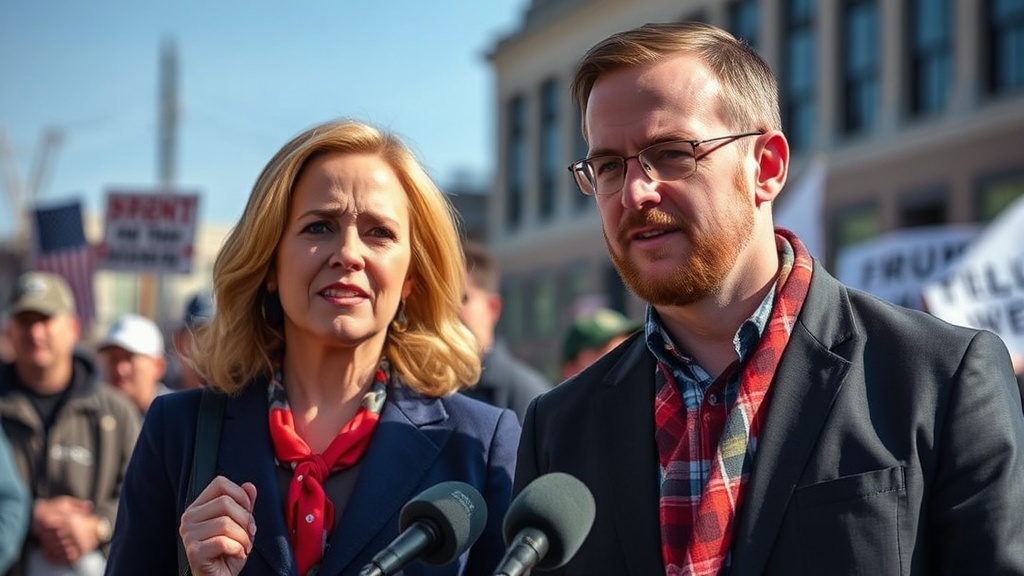
The first bill, put forth by Representative Mike McKell, seeks to extend the term length between retention elections from the current six years to eight years for district court judges. This alteration aims to reduce the frequency of retention votes, which some lawmakers argue can lead to voter fatigue and a lack of informed decision-making. "By extending the term, we give judges more time to establish their credentials and performance in their roles without the constant pressure of upcoming elections," McKell stated in a recent press conference.
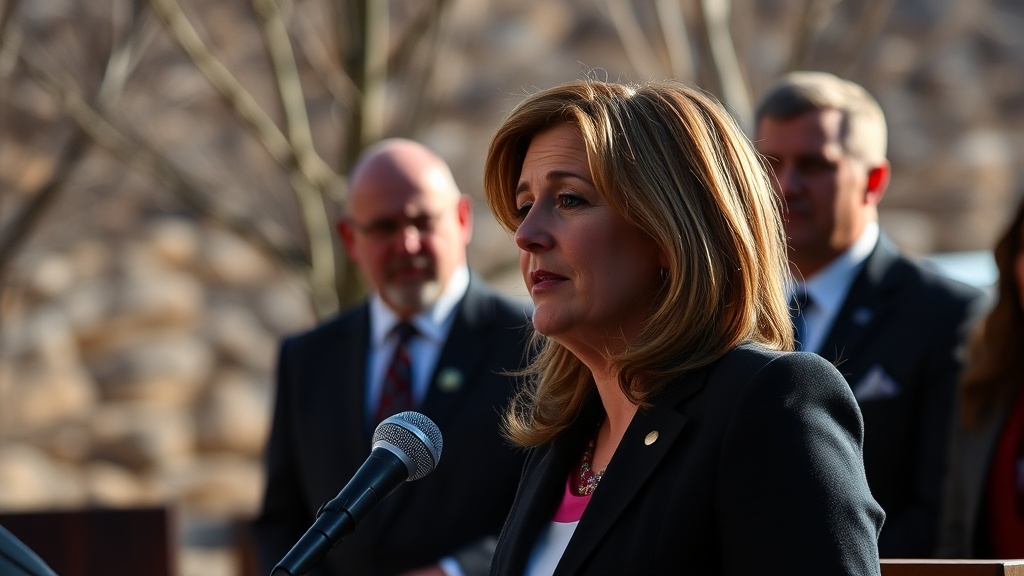
The second bill, spearheaded by Senator Daniel McCay, proposes to change the voting threshold required for judges to maintain their positions. Under the current system, judges need a simple majority to be retained. McCay's proposed legislation would require a two-thirds majority for retention, a significant shift that opponents argue may undermine the stability of the judiciary. "We want to ensure that only judges who have earned a substantial level of public support remain in their positions," McCay explained, suggesting that the change would elevate the standard for judicial accountability.
The implications of these proposed changes extend beyond mere procedural adjustments. Supporters of the bills believe that extending terms and raising the voting threshold could enhance the quality of judicial appointments by allowing judges more time to prove their capabilities. They argue that the current system can lead to judges focusing more on winning elections than on delivering justice.
However, critics warn that these changes could diminish public accountability. Groups such as the Utah Association of Criminal Defense Lawyers and the Utah chapter of the American Civil Liberties Union have voiced concerns that increasing the threshold for retention could create a barrier for judges, particularly those who may be effective but are not well-known to the electorate. "Judges should be accountable to the public, and these changes could hinder that accountability," said ACLU representative Sarah Anderson.
This proposed legislation comes on the heels of a broader national conversation regarding judicial elections and the balance between judicial independence and public oversight. In recent years, several states have faced similar challenges as they grapple with the role of money in judicial races and the perceived politicization of the judiciary. Utah’s proposed changes could serve as a precedent, influencing how other states approach the complex issue of judicial retention.
Moreover, the timing of these proposals is critical. As Utah continues to experience rapid population growth and diversification, lawmakers are increasingly aware that the composition of the judiciary must reflect the state's changing demographics. This has sparked a renewed focus on ensuring that judges not only serve impartially but also resonate with the communities they serve.
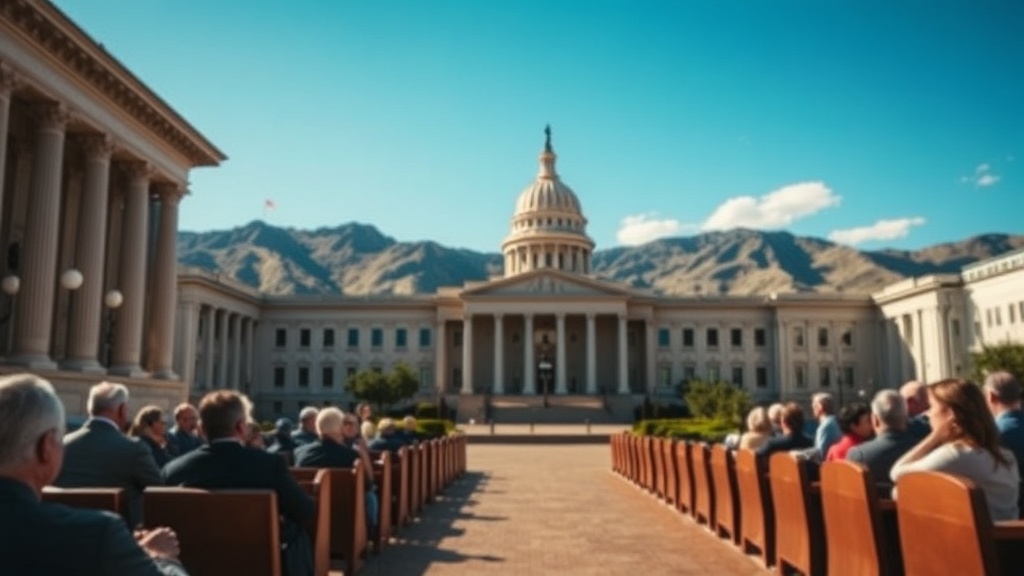
The Utah State Legislature is expected to hold hearings on these bills in the coming weeks, providing an opportunity for citizens to voice their opinions on the proposed changes. Stakeholders from various sectors, including legal experts, civic organizations, and community members, are likely to participate in these discussions, which will play a pivotal role in shaping the future of judicial elections in the state.
As the legislative session progresses, the outcome of these proposed bills remains uncertain. Lawmakers will need to navigate the delicate balance between ensuring judicial independence and maintaining public accountability. Whatever the outcome, the current proposals signal a significant shift in how Utah could approach the retention of its judges, reflecting broader trends in the national dialogue surrounding judicial elections.
In conclusion, the proposed changes to judicial retention elections in Utah represent a critical juncture for the state's judiciary. With implications that could reverberate throughout the legal community and the electorate, these bills underscore the ongoing debate over the role of public accountability in the judicial system. As stakeholders prepare for upcoming discussions, the focus will undoubtedly remain on how best to ensure that Utah's judges are both effective and accountable to the citizens they serve.