Kyrsten Sinema and Spencer Cox Address Economic Disruption Amid Protests in Salt Lake City
Kyrsten Sinema and Spencer Cox discuss economic disruption at a Salt Lake City event, interrupted by hecklers amid key policy discussions.

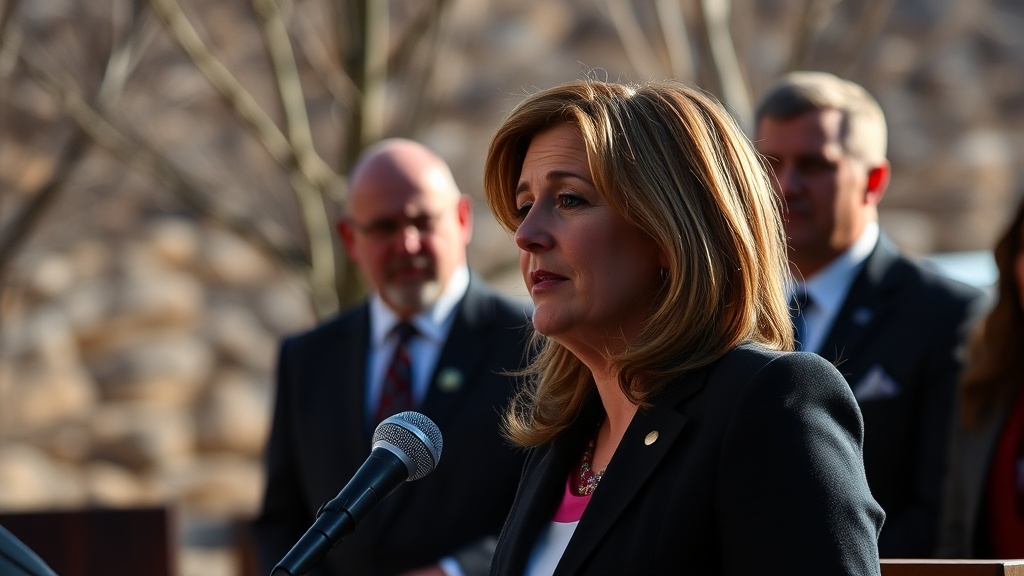
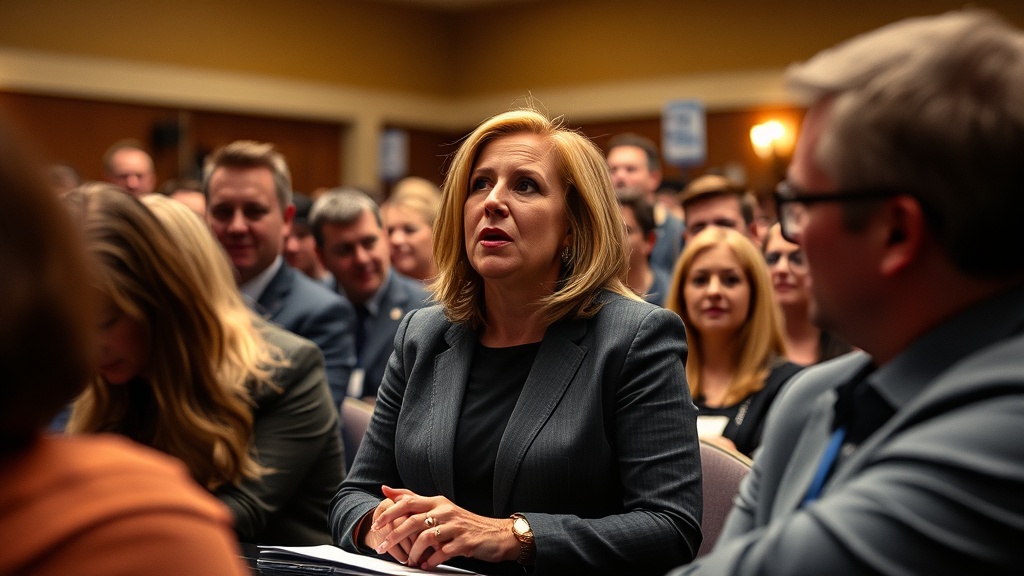
On January 16, 2026, Salt Lake City became the backdrop for a heated panel discussion featuring former Arizona Senator Kyrsten Sinema, Utah Governor Spencer Cox, and Kem C. Gardner Policy Institute Director Natalie Gochnour. The event, part of the Utah Economic Outlook and Public Policy Summit, was designed to address economic trends and future challenges but was notably disrupted by hecklers, bringing an unexpected layer of tension to the proceedings.
As the panel convened, an unidentified heckler interrupted Sinema while she was attempting to articulate her thoughts on current global events. Despite the chaos, Sinema quickly adapted to the situation, humorously responding to the disturbance with the word "disruptive." This remark, laden with irony, resonated throughout the audience, considering the context of her recent legal troubles involving a lawsuit for “alienation of affection.” Two hecklers in total shouted claims about having affairs with Sinema, a reference to the lawsuit filed against her, which has garnered significant media attention.
The event was not only a platform for discussion but also an opportunity for the Gardner Institute to present its annual Economic Report to the Governor, outlining projections for Utah's economic landscape. According to the report, the state is expected to experience moderate economic growth in 2026, along with a projected population increase of 1.3% from 2026 to 2027. While this figure is above the national average, it represents a decline from Utah's historical growth rates. The report also highlighted an aging population, a trend that poses long-term challenges for the state's economy.
Governor Cox expressed concern about the implications of an aging population, emphasizing the need for proactive measures in anticipation of what he termed a "silver tsunami." This demographic shift, he noted, could significantly impact Utah's social safety nets and the workforce. "Our society is a pyramid scheme... We need those next generations," he said, stressing the importance of maintaining a robust workforce to support tax revenues that fund social services like Social Security. Both Cox and Sinema concurred that if no action is taken at the federal level, the future of Social Security could be in jeopardy by the time they reach retirement age.
In a candid moment, Cox addressed business leaders in attendance, urging them to become more involved in the legislative process. "You’ve abandoned us... Everybody just kind of does their thing, and they’ll complain about legislation, but they don’t show up," he stated, calling for greater engagement and representation in the Capitol. He encouraged attendees to consider running for legislative positions if they were dissatisfied with current policies.
Sinema echoed this sentiment on a national scale, urging citizens to take responsibility for the political climate. "If you don’t like the tone, if you think, ‘Gosh, this is distasteful,’ we as Americans built this. This is us," she remarked, implying that public engagement is crucial for shaping the future of democracy and governance.
Amidst the discussions of economic challenges and societal responsibilities, Sinema took a moment to reflect on Utah’s unique culture, which she described as "very special." Despite the disruptions of the day, she expressed appreciation for the kindness and generosity of its residents, with a lighthearted nod to the hecklers as notable exceptions to her positive view.
As the panel concluded, the themes of economic disruption, demographic shifts, and the importance of civic engagement resonated deeply with attendees. The dual interruptions served not only as a reminder of the unpredictable nature of public discourse but also highlighted the urgent need for dialogue about the future direction of Utah’s economy and society. As technological advancements, particularly in artificial intelligence, revolutionize the workforce, the call for adaptation and resilience becomes ever more critical. This event underscored that the path forward requires not just understanding but active participation in shaping policies that will affect generations to come.