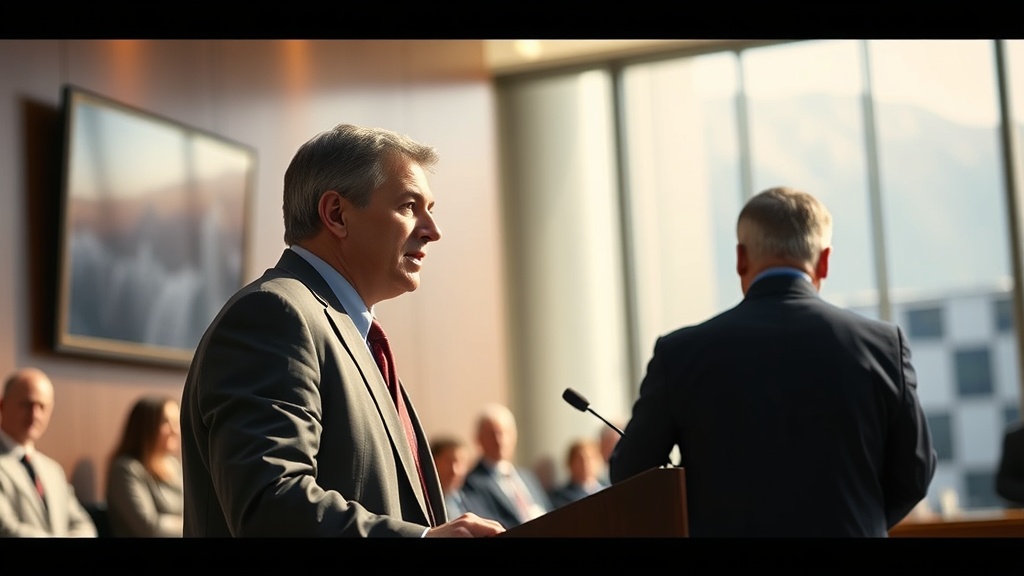
Key Legislative Bills to Watch in Utah's 2026 General Session
The upcoming 2026 General Legislative Session in Utah will address crucial issues through a variety of bills, impacting healthcare, education, and more.
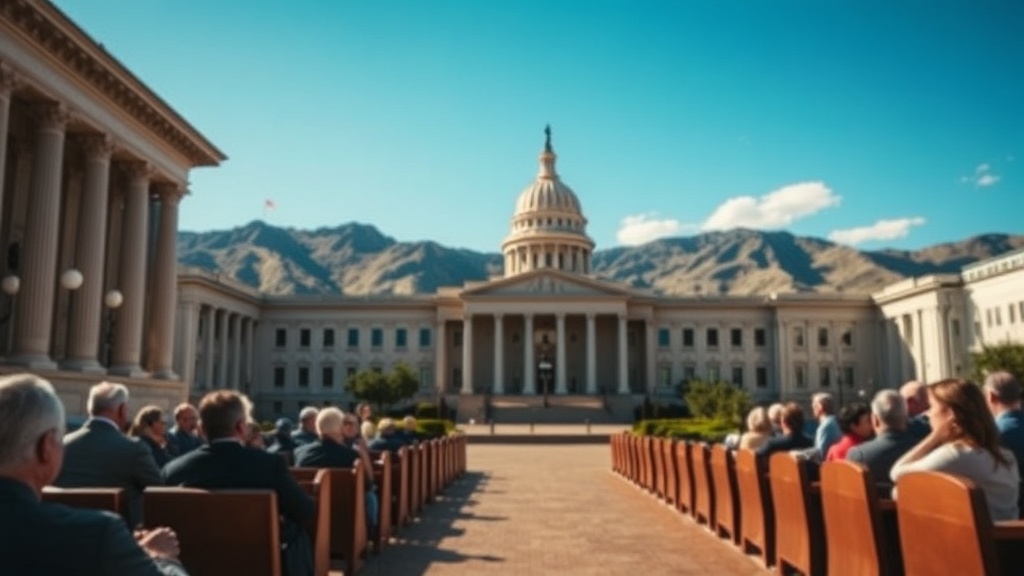
As the 2026 General Legislative Session approaches, Utah legislators are preparing to delve into a range of proposed bills that could significantly affect various aspects of life in the state. With hundreds of bills on the docket, lawmakers will address issues ranging from healthcare and education to environmental policies and public safety. ABC4 has identified ten notable pieces of legislation that could capture the attention of both lawmakers and the public alike.
Among the most anticipated bills is HB 102, which seeks to expand Medicaid eligibility for low-income residents. This initiative has been a topic of heated debate in previous sessions, with advocates arguing that it would provide essential healthcare access to thousands of uninsured Utahns. Proponents emphasize the potential economic benefits, including reduced emergency room visits and improved health outcomes, while opponents cite budgetary concerns and the potential strain on state resources.
Another significant piece of legislation is SB 203, which addresses the growing concerns surrounding mental health services in Utah. This bill proposes increased funding for mental health programs, aiming to enhance access to care for individuals in crisis. Supporters highlight the alarming statistics surrounding mental health issues in the state, particularly among youth, and argue that timely intervention can prevent tragic outcomes. Mental health advocates hope that this legislation will not only provide critical resources but also help destigmatize mental health treatment in the community.
In the realm of education, HB 315 has garnered attention for its focus on school funding reform. This bill proposes a new formula for distributing state education funding based on student needs rather than merely enrollment numbers. Advocates argue that this change is essential for ensuring that underfunded schools receive the resources they need to support at-risk students. Critics, however, express concern about the potential impact on schools that could see funding decreases under the new model.
Environmental issues remain a hot topic, with SB 456 introducing measures aimed at reducing greenhouse gas emissions across various sectors. This bill would mandate emissions reductions for both public and private entities, aligning Utah's policies with broader national and global climate goals. Environmentalists are optimistic about the potential for meaningful change, while some industry groups warn that these regulations could lead to job losses and economic downturns in key sectors.
Public safety is also on the agenda, with HB 602 proposing reforms to police accountability measures. In the wake of nationwide protests demanding greater transparency and accountability in law enforcement, this bill seeks to implement stricter guidelines on the use of force and to establish independent review boards for police misconduct cases. Supporters argue that these measures are necessary for restoring public trust in law enforcement, while opponents caution that they could hinder officers' ability to perform their duties effectively.
Additionally, the issue of housing affordability has prompted the introduction of SB 789, which aims to incentivize the construction of affordable housing units across the state. As housing prices continue to soar in Utah, this legislation seeks to provide tax incentives to developers who commit to building affordable units. Advocates argue that such measures are critical for addressing the growing housing crisis, while critics express concerns over potential unintended consequences, such as further gentrification in vulnerable neighborhoods.
These bills, among others, will undoubtedly spark discussions in the Utah House and Senate as legislators work through the complexities associated with each proposal. The diversity of topics highlights the multifaceted challenges facing Utah today, from healthcare and education to environmental sustainability and public safety.
As the session unfolds, stakeholders from various sectors will be closely monitoring the progress of these bills. The outcome of this legislative session could have lasting implications for Utah residents, shaping policies that affect daily life and the state's future direction.
In conclusion, the 2026 General Legislative Session promises to be a critical time for Utah lawmakers as they grapple with pressing issues that resonate with constituents. With a wide array of bills on the table, the decisions made in the coming weeks will illuminate the priorities of the state's leadership and reflect the needs and concerns of Utahns across the board. As the session begins, the eyes of the public will be watching closely, eager to see how these proposed laws will shape the landscape of Utah for years to come.