Northern Utah Basks in Hazy Sunshine as High Pressure Takes Hold
Northern Utah will enjoy hazy sunshine and warm temperatures this week, but air quality concerns loom as high pressure settles in.
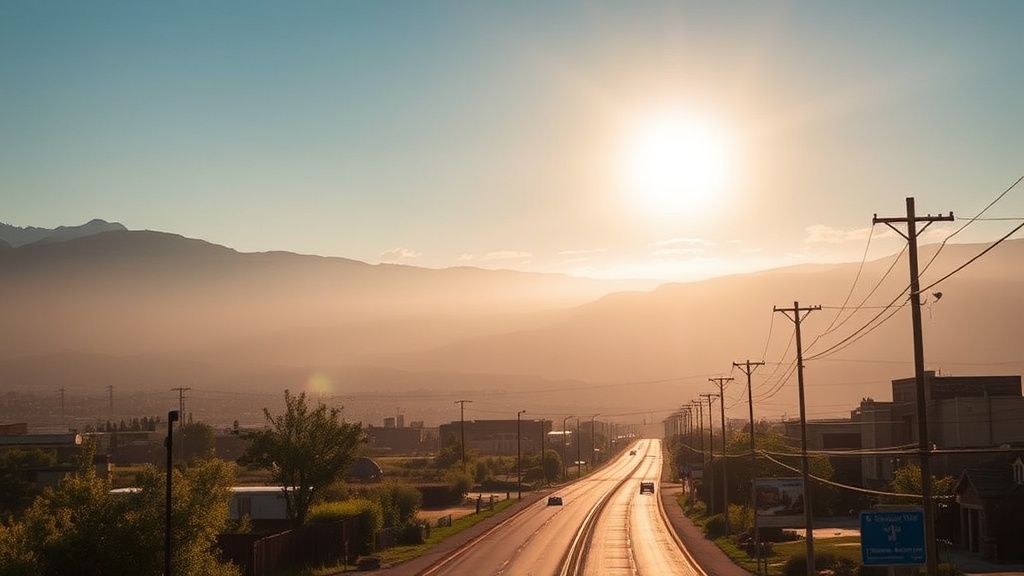
Northern Utah is set to experience a significant shift in weather patterns this week, with a robust area of high pressure establishing itself over the region. Meteorologists are predicting a stretch of sunny days accompanied by elevated temperatures, a welcome change for residents after a series of cooler weather systems that have dominated the area in recent weeks. This high-pressure system, characterized by descending air that inhibits cloud formation, is expected to bring not only sunshine but also a layer of haze due to particulate matter in the atmosphere.
The National Weather Service (NWS) has reported that the high pressure will lead to warmer temperatures, with daily highs reaching into the upper 80s and low 90s degrees Fahrenheit across northern Utah. For cities like Salt Lake City, Ogden, and Provo, residents can anticipate a break from the cooler conditions that have prevailed during the past few weeks. The NWS forecast indicates that temperatures could exceed seasonal averages by 5 to 10 degrees, making this a prime time for outdoor activities and events.
However, while the sunny skies are sure to attract outdoor enthusiasts, the accompanying haze may pose concerns for some residents. The haze is largely attributed to both local pollution and particulates from distant wildfires. As the weather warms, officials are urging residents, especially those with respiratory issues, to take precautions. "We are advising people to stay hydrated and limit outdoor activities during the hottest parts of the day, particularly for those with underlying health conditions," said Dr. Amanda Reyes, a local health official.
The impact of this high-pressure system is not limited to just temperature changes. The increase in temperatures and the resulting atmospheric conditions can also lead to a higher likelihood of air stagnation. This stagnation can exacerbate air quality issues, particularly in the Salt Lake Valley, which is known for its inversions during the winter months but can also experience poor air quality during the summer."
The Utah Department of Environmental Quality (DEQ) has indicated that while the immediate forecast is for hazy conditions, they will be closely monitoring the air quality levels throughout the week. "We will provide updates and advisories if air quality reaches unhealthy levels," said DEQ spokesperson Jonathan Clark. Residents are encouraged to check the DEQ’s air quality index, which is updated regularly, to ensure they are informed about current conditions.
In addition to air quality concerns, the high-pressure system can also influence local ecosystems. With consistent sunny skies and warmth, there may be increased evaporation rates, which can affect water levels in lakes and streams across the region. The Wasatch Front, home to numerous recreational lakes, may see some fluctuations in water levels as a result of this extended period of warm weather. Local wildlife, particularly species that rely on wetland areas, may also experience changes in their habitats due to these shifts in water availability.
For farmers and agricultural producers, the warm and sunny weather could present both opportunities and challenges. Crops that thrive in warmer temperatures may benefit from the high pressure, but irrigation practices may need to be adjusted to account for increased evaporation rates. Farmers are advised to monitor soil moisture levels closely to ensure their crops receive adequate water.
As the week progresses, the high-pressure system is expected to remain stable, with little indication of significant weather changes on the horizon. This could lead to a prolonged period of dry weather, which is particularly beneficial for outdoor events such as festivals and farmers’ markets, allowing them to proceed without the threat of rain.
However, while many may enjoy the sunny days ahead, it is important for residents to remain aware of the potential health impacts associated with the hazy conditions. Local health officials recommend that people, particularly those with respiratory conditions, consider wearing masks during outdoor activities if air quality declines. Additionally, staying informed through local news sources and health department advisories will be crucial as the week unfolds.
In conclusion, as northern Utah prepares for a week of sunshine and elevated temperatures due to a strong high-pressure system, residents should balance their outdoor enjoyment with awareness of air quality and health considerations. By staying informed and taking necessary precautions, they can make the most of this favorable weather while ensuring their health and safety remain a priority.