New Law Requires Licenses for Accessing Utah's Wildlife Management Areas
Utah's new law mandates valid licenses for accessing WMAs, emphasizing shared stewardship and conservation responsibilities.
In a significant change to outdoor recreation regulations, a new law in Utah mandates that individuals wishing to access State Wildlife Management Areas (WMAs) must possess a valid hunting or fishing license. This legislation, which took effect last year, aims to enhance stewardship of the state's rich natural resources and promote responsible use of public lands. However, many recreationists were caught off guard by the sudden implementation of this requirement, sparking discussions about the implications for outdoor enthusiasts and wildlife conservation efforts.
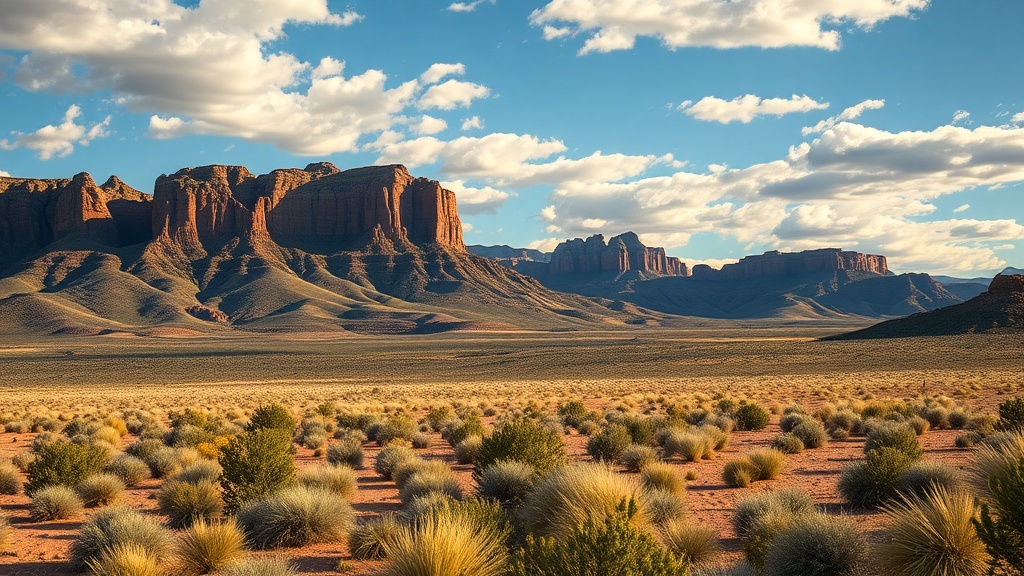
Wildlife Management Areas in Utah are crucial habitats designed to protect and preserve the state's diverse ecosystems. These areas not only provide critical resources for native wildlife but also offer recreational opportunities for hunting, fishing, hiking, and camping. The new law, passed in 2022, reflects a growing trend among state wildlife agencies across the country to enforce stricter regulations in an effort to safeguard these vital areas.
According to the Utah Division of Wildlife Resources, the requirement for a valid hunting or fishing license is intended to ensure that visitors to WMAs contribute to conservation efforts through license fees. These fees play a pivotal role in funding wildlife management programs, habitat restoration, and other essential services that maintain the health of the state's natural landscapes. By requiring licenses, the state aims to foster a culture of accountability among outdoor enthusiasts and ensure that all visitors understand the importance of protecting these areas.
Since the law's enactment, there has been a notable increase in inquiries from the public regarding the implications of this requirement. Many outdoor recreationists, previously unaware of the new regulations, expressed confusion and frustration. Local outdoor organizations and clubs have stepped up to provide education on the matter, stressing the importance of compliance with the law for the sake of conservation and sustainable outdoor practices.
"This law is not just about access; it’s about ensuring that everyone who enjoys our public lands is also contributing to their maintenance and sustainability," said a spokesperson for the Utah Division of Wildlife Resources. "We want to create a sense of shared responsibility among those who recreate in these beautiful areas."
The new law also coincides with broader conservation initiatives aimed at increasing awareness of the environmental impacts of human activities in natural spaces. Utah's wildlife management strategy emphasizes the need for collective stewardship, encouraging all users of public lands to take an active role in conservation efforts. This includes not only purchasing hunting or fishing licenses but also participating in volunteer programs, reporting wildlife observations, and adhering to best practices for outdoor ethics.
Concerns have been raised regarding how this law may affect different groups of outdoor enthusiasts. While hunters and anglers are accustomed to purchasing licenses, recreational users such as hikers, bird watchers, and photographers may find the requirement burdensome. Advocacy groups are working to address these concerns by pushing for alternative options, such as day passes or discounted licenses for non-hunters and non-anglers.
Additionally, there is an ongoing dialogue about the potential economic impact of this law on local communities that rely heavily on outdoor tourism. Some local businesses fear that the new requirement could deter casual visitors who may not be inclined to purchase a license just to enjoy a day in the WMAs. In response, stakeholders are advocating for marketing campaigns that highlight the benefits of outdoor recreation while educating the public about the necessity of the new regulations.
As the outdoor community continues to adapt to this new landscape, it is essential for all users to recognize their role in preserving Utah's natural heritage. The state’s abundant wildlife and pristine landscapes are invaluable resources that require collective stewardship. By understanding and complying with the new law, outdoor enthusiasts can contribute to the long-term sustainability of these cherished areas.
Looking ahead, the Utah Division of Wildlife Resources plans to evaluate the success of the law and its impact on wildlife conservation efforts. Stakeholders are encouraged to provide feedback and engage in discussions about potential adjustments to the legislation in the future. This collaborative approach reflects an ongoing commitment to balancing access to public lands with the imperative of protecting Utah's unique ecosystems for generations to come.
In conclusion, the new requirement for a hunting or fishing license to access Utah's Wildlife Management Areas is a pivotal step towards fostering a culture of stewardship among outdoor recreationists. As the community navigates this change, it is crucial for all users to embrace their responsibility in preserving the natural beauty and ecological integrity of the state’s invaluable resources.