Lawsuit Filed Against BLM's Approval of Southern Utah Highway Project
Conservation groups are suing to block a controversial highway in Utah, citing endangered species protections in an ongoing legal battle.

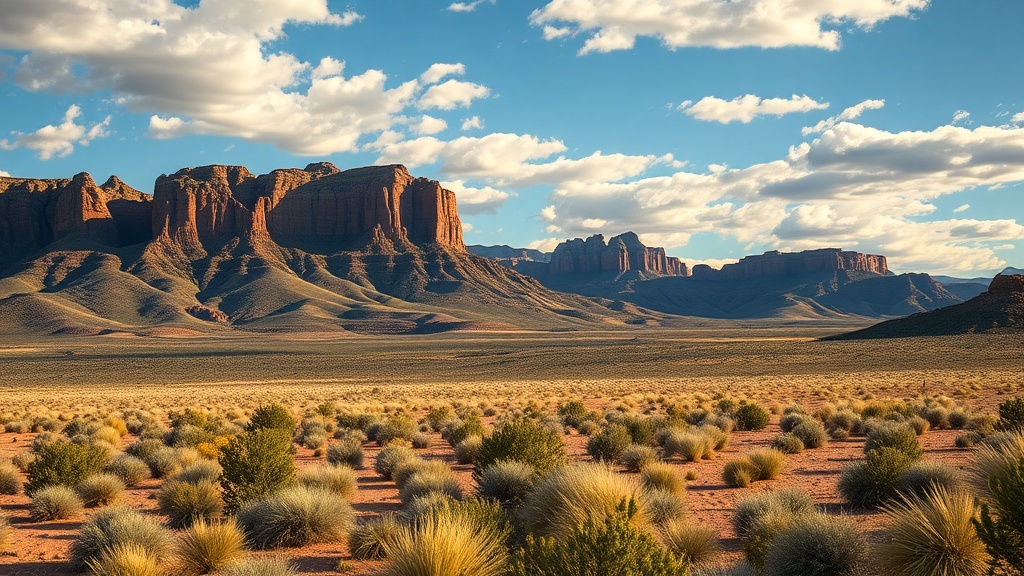
In a significant legal development, conservation groups have initiated a lawsuit aimed at halting the construction of a controversial four-lane highway through Utah's Red Cliffs Conservation Area. This lawsuit comes as part of an ongoing dispute over the Northern Corridor project, which has faced scrutiny and opposition for years. The legal action targets the Bureau of Land Management's (BLM) recent approval of the highway that would connect the cities of Ivins, St. George, and Washington City. The plaintiffs, consisting of six conservation organizations, argue that the BLM's decision undermines federal laws designed to protect endangered species, particularly the desert tortoise, which is known to inhabit this sensitive ecological area.
The Northern Corridor project has a tumultuous history, marked by shifts in political administration and public sentiment. Initially approved by the Trump Administration, the project was subsequently reversed by President Biden during his term. However, in a surprising turn of events, the second Trump Administration reinstated the approval for the highway late last month, reigniting the controversy surrounding it.
This lawsuit represents the second major legal challenge to the Northern Corridor project. In 2021, conservation groups filed a similar suit claiming that the BLM's initial approval violated protections for endangered species. The ongoing legal battles reflect a broader conflict between development interests and conservation efforts in a region experiencing rapid population growth.
Supporters of the highway, including the Washington County Commissioners, argue that the project is crucial for accommodating the county's increasing population. They contend that the highway will alleviate traffic congestion and improve connectivity between communities. Proponents also emphasize that the project includes design features such as wildlife tunnels specifically for the desert tortoise, as well as habitat protections for Moe's Valley, an area located southwest of the Red Cliffs Conservation Area.
The creation of the Red Cliffs Conservation Area in 2009, which was intended to balance development needs with environmental protection, included provisions for the highway. This inclusion has sparked debate among environmentalists, with some groups, such as the Southern Utah Climbers Alliance, voicing opposition to the highway while recognizing that the agreement provides temporary safeguards for Moe's Valley. This area is not only crucial for the desert tortoise but also serves as the only known habitat for the Bear Claw Poppy, a rare plant species.
The division within environmental circles has become apparent, as some groups advocate for more permanent protections for Moe's Valley and other open spaces in southwest Utah. The Climbers Alliance is actively urging the City of St. George to establish a committee focused on long-term conservation efforts. Their efforts highlight the ongoing struggle to balance ecological preservation with the needs of a growing population.
In contrast, conservation groups are advocating for full protection of both the Red Cliffs Conservation Area and Moe's Valley. They propose an alternative solution that involves expanding the existing Red Hills Parkway to meet traffic demands without compromising sensitive habitats. However, county officials have stated that such an expansion is not technically feasible, further complicating the dialogue around the highway project.
The legal tensions surrounding the Northern Corridor project underscore broader themes of environmentalism, urban development, and governmental policy. As Utah continues to grow, the conflict between conservationists and developers is expected to intensify, raising critical questions about the future of the region's natural resources and wildlife. The outcome of this lawsuit could have far-reaching implications for both the local ecosystem and the community's approach to infrastructure development.
For those interested in examining the full legal complaint, the document is available online, shedding light on the details of the conservation groups' arguments against the highway's approval. As the lawsuit progresses, stakeholders from both sides will be closely monitoring developments, aware that the decision could set significant precedents for future projects in environmentally sensitive areas. The ongoing battle over the Northern Corridor reflects the complex interplay between human needs and environmental stewardship, a challenge that will likely be at the forefront of regional discussions for years to come.