Lake Powell Residents Voice Concerns Over Record Low Water Levels and Snowpack
Residents near Lake Powell express deep concerns over record low water levels and dwindling snowpack, impacting recreation and agriculture.
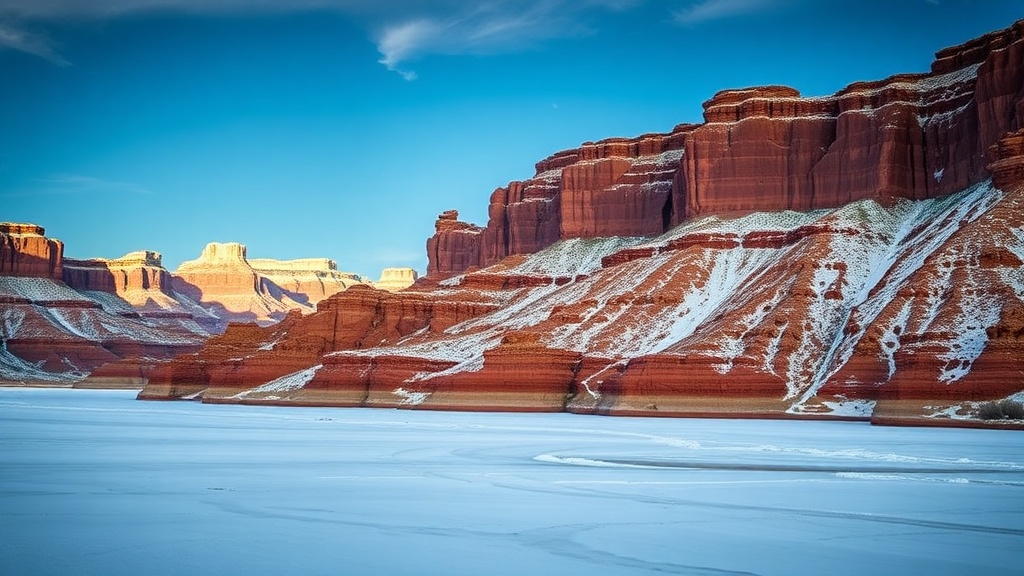
As the summer season approaches, residents and recreational boaters around Lake Powell are voicing growing concerns regarding the lake's water levels, which have plummeted to a concerning 27%. This alarming figure comes on the heels of a record low snowpack across Utah, raising questions about the long-term implications for the lake, a vital resource for both recreation and regional water supply.
Lake Powell, one of the largest man-made reservoirs in the United States, is located on the Colorado River and serves as a crucial water source for several states, including Utah, Arizona, and Nevada. The lake's current water level is not only a reflection of the recent snowpack—measured at a staggering 75% below average for the region—but also indicative of a broader trend of prolonged drought conditions exacerbated by climate change.
Local residents like Mary Johnson, who has lived near the lake for over two decades, express worry about the future of their community and the recreational opportunities that depend on adequate water levels. "We rely on Lake Powell for our livelihood and leisure activities. If the water levels continue to drop, it will not only affect our boating and fishing but also the local economy that thrives on tourism," she stated during a recent community meeting.
The implications of low water levels extend beyond recreation; they also influence agricultural needs in the region. Farmers in southern Utah, who depend on irrigation from the Colorado River system, face uncertainty as water supplies dwindle. "Without sufficient water, our crops suffer, and that can lead to higher prices for consumers and food shortages," said local farmer Tom Ramirez. He emphasized the interconnectedness of water resources and the urgent need for effective water management policies.
The state government has recognized the severity of the situation, with officials encouraging conservation efforts among residents and businesses. Utah Governor Spencer Cox has called for a multi-faceted approach to address the ongoing water crisis, which includes investing in water-saving technologies and promoting responsible water usage. "This is a call to action for all of us. We need to work together to ensure that we have enough water for our future generations," he remarked in a recent press conference.
In addition to state-level initiatives, local organizations are stepping up to raise awareness about water conservation. Groups like the Utah Rivers Council are conducting workshops that teach residents how to reduce water usage in their homes and gardens. "Every drop counts. We are encouraging people to rethink their water usage habits and find sustainable alternatives," said Sarah Nelson, a program coordinator for the council.
Despite these efforts, many residents remain skeptical. Mike Thompson, a local fisherman, expressed frustration over what he perceives as a lack of immediate action from policymakers. "We keep hearing about plans and initiatives, but I don’t see any real change happening. The lake is dropping, and we need solutions now, not just promises for the future," he stated.
The declining levels of Lake Powell have also drawn attention from environmentalists, who warn that the situation poses threats to local ecosystems. Aquatic habitats that depend on stable water levels are at risk, which could lead to declines in fish populations and other wildlife. Environmental scientist Dr. Emily Carter noted, "The ecological balance of the lake is incredibly delicate, and ongoing low water levels could disrupt that balance, leading to long-term consequences for biodiversity."
As the community grapples with these challenges, many are calling for a collective response that addresses not only immediate concerns but also the root causes of water scarcity. The discourse surrounding Lake Powell has sparked a broader conversation about water rights, usage, and sustainability practices across the region.
The future of Lake Powell remains uncertain, as residents, farmers, and officials work to navigate the complexities of water management in an era of changing climate patterns. With each passing year, the impacts of low snowpack and diminishing water levels become more pronounced, emphasizing the critical need for a unified approach to ensure the preservation of this vital resource. As summer approaches, the community hopes for a change in weather patterns that could restore some balance to the lake and provide relief to those who depend on it.
In conclusion, the challenges facing Lake Powell are emblematic of the larger water crisis affecting the western United States. As residents and stakeholders advocate for sustainable practices and proactive policies, the future of this iconic lake will depend on the ability of the community to adapt to a changing climate and prioritize water conservation efforts. The coming months and years will be crucial in determining whether Lake Powell can recover from its current plight or if it will continue to face the threat of diminishing water levels and the repercussions that accompany them.