Impact of Lower Snowpack on Park City's Economy and Environment
Park City faces a snow drought, impacting its economy and environment significantly, raising concerns for the community's future.
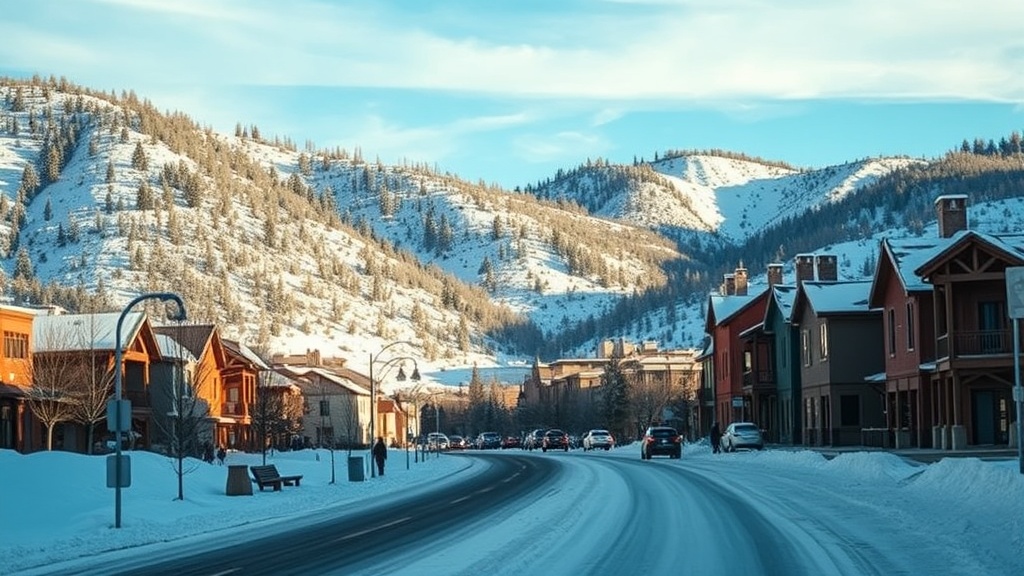
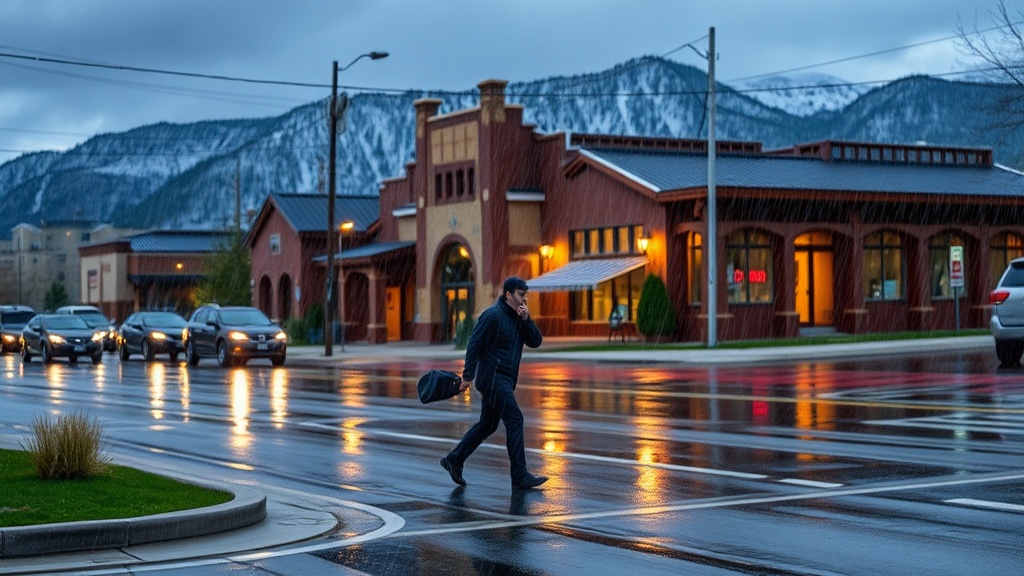
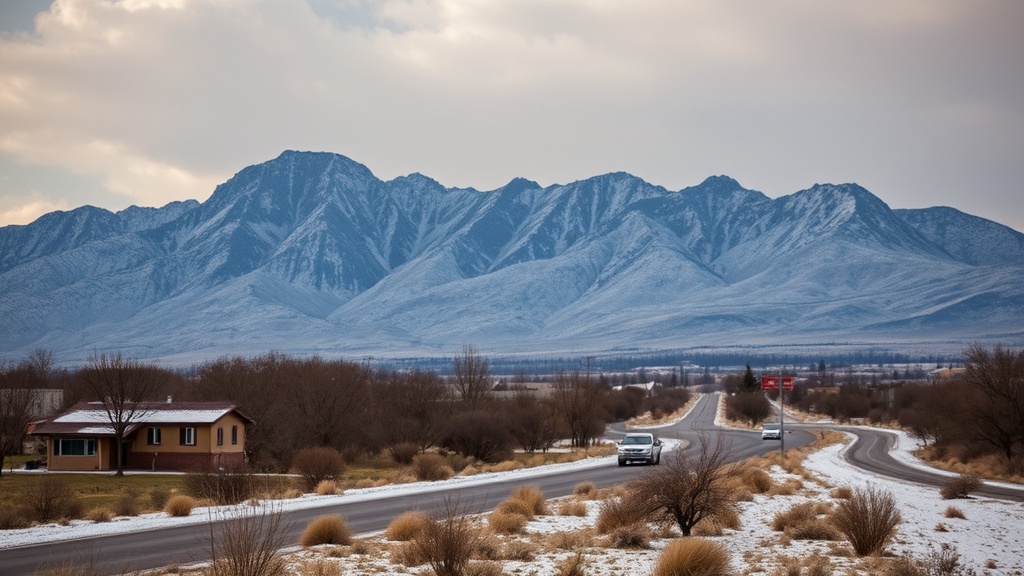
As the winter season unfolds, Park City is facing a concerning reality. Residents and stakeholders are grappling with a significant decrease in snowfall, which has raised alarms about the implications for both the local economy and the environment. According to recent reports, Utah has seen only about 63% of its average precipitation for January, a stark contrast to the expectations in a region known for its winter sports and outdoor recreational activities.
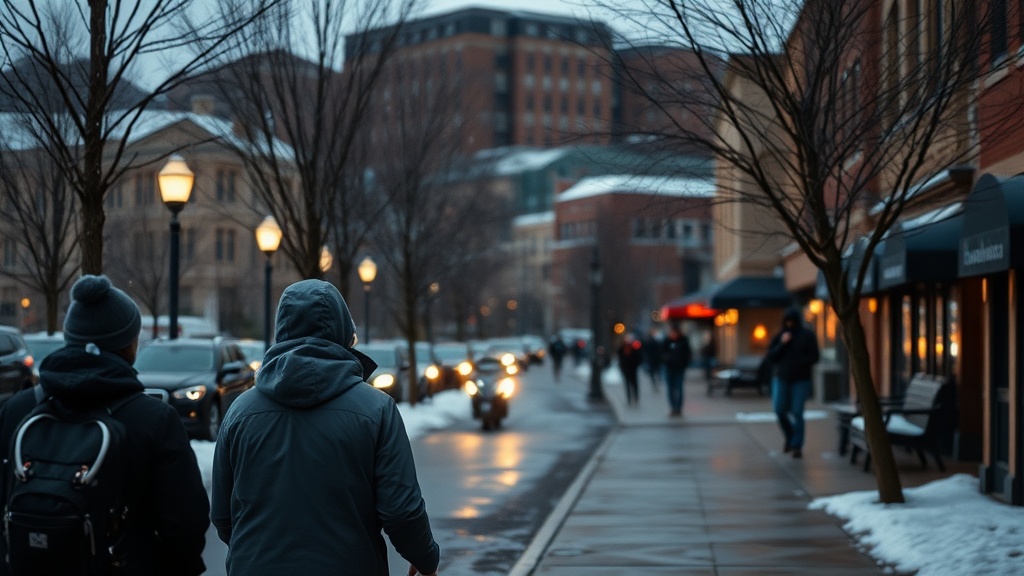
The weather patterns affecting Utah can largely be attributed to a persistent high-pressure system that has settled over the area. This phenomenon has resulted in warmer-than-normal temperatures and a notable lack of moisture, leading to less snowfall than usual. Additionally, winter inversions are causing cold air to become trapped in the valleys, exacerbating the dry conditions. Meteorologists are closely monitoring the polar jet stream, which is currently positioned to the north. However, predictions suggest it might shift southward later in February and into March, potentially bringing much-needed snowfall to Park City.
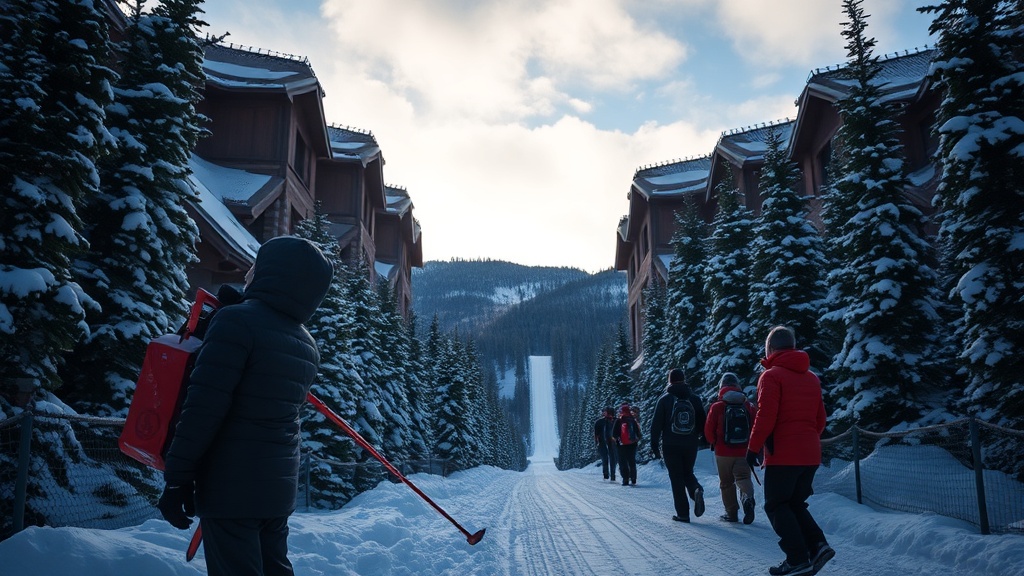
The implications of this snow drought are particularly dire for the ski industry, a cornerstone of Park City's economy. The decrease in snowfall has already resulted in diminished visitor numbers, with fewer tourists eager to partake in skiing and snowboarding activities. This decline in tourism has significant economic ramifications, as approximately 75% to 85% of local tax revenue is derived from tourism-related activities. Local businesses, from ski resorts to restaurants, are already feeling the financial strain, with many expressing concerns about sustainability if these trends continue.
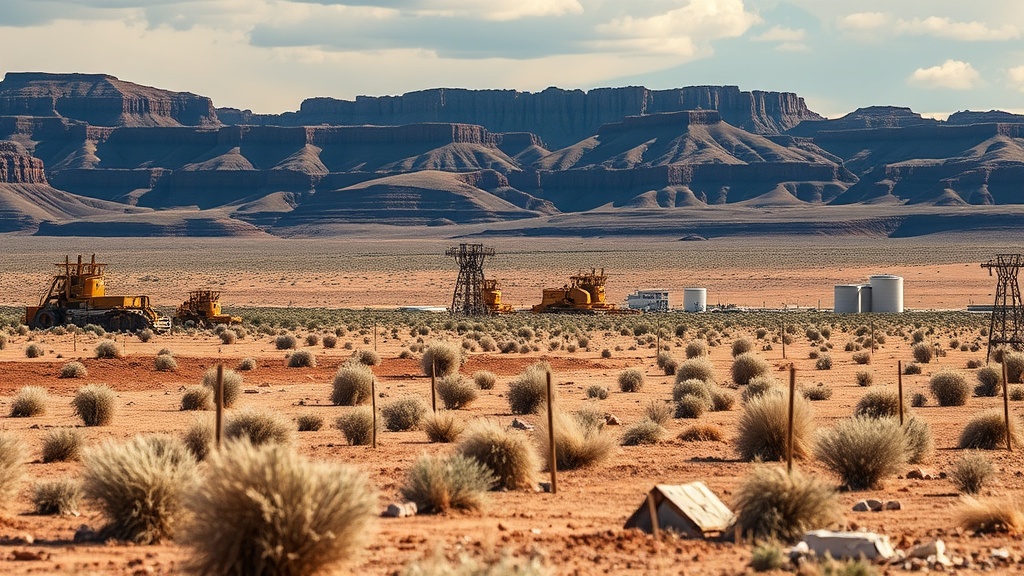
Beyond immediate economic concerns, the environmental impact of reduced snowfall is also alarming. As the Great Salt Lake continues to evaporate, the region faces the looming threat of a toxic dust bowl, which could arise from the exposed lakebed. Furthermore, the lake plays a critical role in generating precipitation through the lake effect; its decline could lead to a further reduction in overall moisture levels in the region. Rising global temperatures are predicted to strengthen high-pressure systems and worsen the winter inversions that have become more common in Utah's valleys. This cycle of warming and dryness poses a multifaceted threat to the local ecosystem and community.
In response to these challenges, local organizations and environmental advocates are urging residents to take action. Initiatives aimed at promoting sustainable practices and policies are gaining traction, with calls for community members to engage with their local leaders on environmental issues. The emphasis is on creating a culture of sustainability, where every individual can contribute to mitigating the effects of climate change.
One such organization, Recycle Utah, has been at the forefront of community efforts to promote recycling and environmental awareness. They provide resources and tips for residents looking to make a positive impact on the environment. Their message is clear: while the current outlook may appear bleak, collective action can lead to meaningful change.
As Park City navigates this challenging winter season, the community faces a critical juncture. The interplay between economic vitality and environmental health is becoming increasingly evident, and stakeholders are urged to prioritize sustainability in their daily lives and policy decisions. The hope remains that with a shift in weather patterns and a commitment to sustainable practices, Park City can rebound from this snow drought and secure a healthier future for its residents and the environment.
As the season progresses, all eyes will be on the skies, waiting for the snow that is essential not just for recreation, but for the very fabric of life in Park City. The community's resilience and adaptability will be tested, but with proactive measures and community engagement, there is hope for a more sustainable future amidst the changing climate.
For more information on recycling and sustainable practices, residents are encouraged to visit Recycle Utah's website at www.recycleutah.org. By coming together, the community can work towards a more sustainable and resilient Park City, capable of weathering future challenges and ensuring its natural beauty and economic vitality for generations to come.