Impact of Dry Winter on Erda Farmers: Challenges and Adaptations Ahead
Farmers in Erda, Utah, face severe challenges due to an unusually dry winter, impacting crops and food prices.
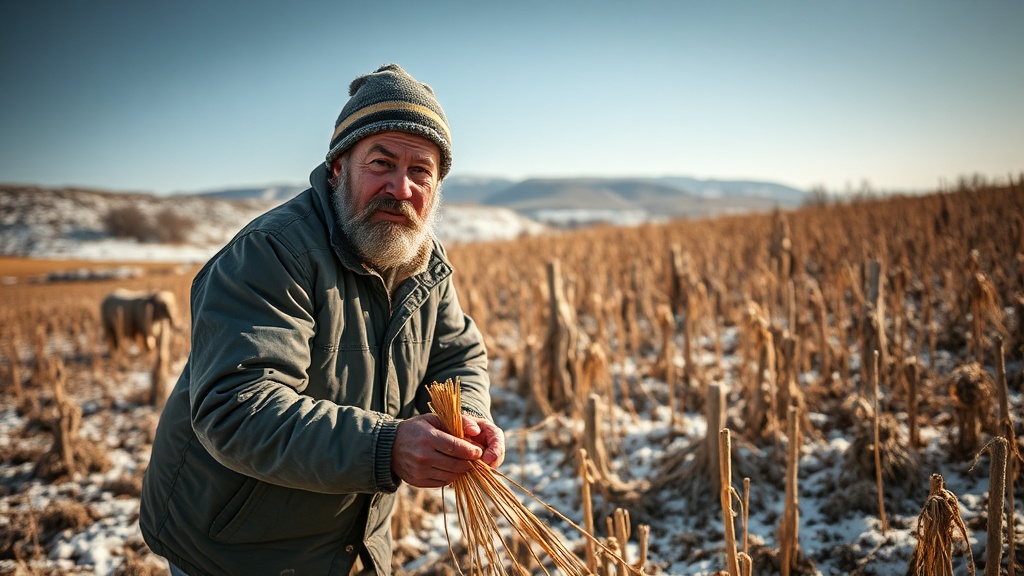
As winter 2023 nears its end, farmers in Erda, Utah, are facing unprecedented challenges due to an unusually warm and dry season. The lack of snow and rain is raising concerns about the upcoming harvest, forcing local agricultural operations to adapt in ways they have never experienced before. For many, including Hide-Out Farm and Ranch, the consequences of this dry winter are already evident.
Miranda Smith, the manager of Hide-Out Farm and Ranch, has dedicated her life to cultivating a sustainable farm that produces a variety of fruits, vegetables, and meats. "It means everything to me because I’ve watched it grow. When you’ve helped build something and then watch it struggle, it hurts," Smith expressed, reflecting on the emotional toll that the current conditions have taken on her and her family. The farm, which is owned by her mother, Shawnya Wayman, has been a cornerstone of their family for years, but this winter has presented challenges that even seasoned farmers find alarming.
Shawnya Wayman, who has run the farm for over two decades, noted, "In my 20 years here, I don’t remember a winter this dry. This year has been no rain or anything, so that’s really hurt." The implications of this dry spell extend beyond just the immediate effects on crops; it poses a threat to the entire agricultural ecosystem that many in the region rely on. With Utah’s snowpack at record lows, essential water reserves are dwindling, leaving crops vulnerable.
Hide-Out Farm is known for its diverse array of crops, including peaches, apples, apricots, corn, beets, squash, tomatoes, and peppers. The current weather conditions have forced the farm to rethink its agricultural practices. "It’s super early to be getting blooms right now," Smith remarked, pointing out that early budding could lead to reduced fruit yields come spring. Without sufficient water, the plants may not reach their full potential, which poses a direct threat to the farm’s productivity and sustainability.
To combat these challenges, the farm has implemented several adaptive strategies aimed at conserving water. Among these methods are laying down wood chips to help retain soil moisture, utilizing shade cloths in high tunnels, and layering soil to enhance moisture retention. However, the obstacles do not end with water conservation efforts. The warmer winter has also resulted in a higher-than-normal prevalence of pests and rodents that typically do not survive harsh winters.
"You see more rodents, more box elder bugs, more squash bugs," Wayman noted, pointing out that these pests have already begun encroaching on their beet crops. This surge in pest populations adds another layer of complexity to an already precarious situation, requiring farmers to invest additional resources in pest management while also grappling with the looming threat of diminished crop yields.
The ramifications of this dry winter extend beyond just the farmers themselves. Miranda Smith warned that consumers will also feel the impact. "Food prices will go up because you’ll have a high demand but you won’t have the supply," she stated, indicating that the ripple effects of diminished harvests could lead to increased costs for consumers throughout the region. As the summer months approach, residents might face inflated prices at grocery stores, affecting everyone from families to local businesses.
For now, the Smith family and their team at Hide-Out Farm are doing everything within their power to preserve water and mitigate damages. They remain hopeful for more rain or snow in the coming weeks, which could potentially alter the course of their agricultural plans for the year. However, the uncertainty of weather patterns in Utah has left many farmers unsure of what to expect.
As winter progresses towards spring, the ongoing situation serves as a stark reminder of the fragile balance within agricultural ecosystems and the far-reaching implications of climate variability. For farmers in Erda and beyond, the quest for sustainable practices continues amid the backdrop of an unpredictable climate, underscoring the importance of community resilience and adaptability in the face of adversity. With the stakes higher than ever, local farmers are steadfast in their commitment to navigating the challenges ahead, hoping for a turnaround that will allow them to thrive.
As the agricultural community rallies together, the hope remains that the upcoming months will bring the necessary precipitation to rejuvenate the land and secure a bountiful harvest for all involved.