Heber Valley Bypass: Balancing Infrastructure Needs and Wetland Preservation
Concerns arise over the Heber Valley Bypass as wetlands face potential impacts from the proposed construction.
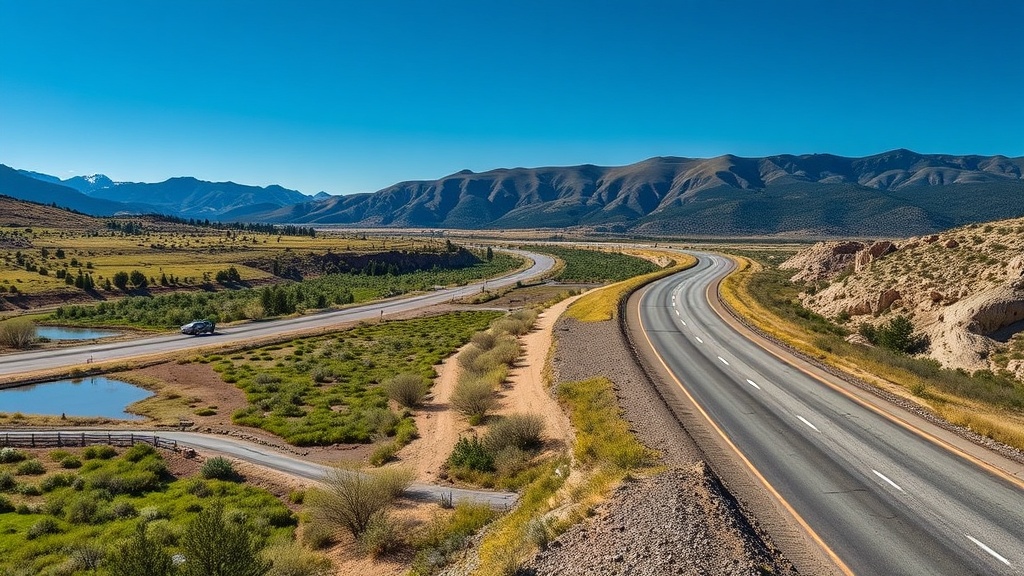
As discussions heat up regarding the proposed Heber Valley Bypass, local stakeholders and environmental advocates are raising concerns about the potential impacts outlined in the Utah Department of Transportation's (UDOT) Draft Environmental Impact Statement (DEIS). While the bypass aims to alleviate traffic congestion and enhance transportation efficiency in the rapidly growing Heber Valley area, critics argue that the DEIS does not adequately address the environmental consequences associated with the construction, particularly regarding local wetlands.
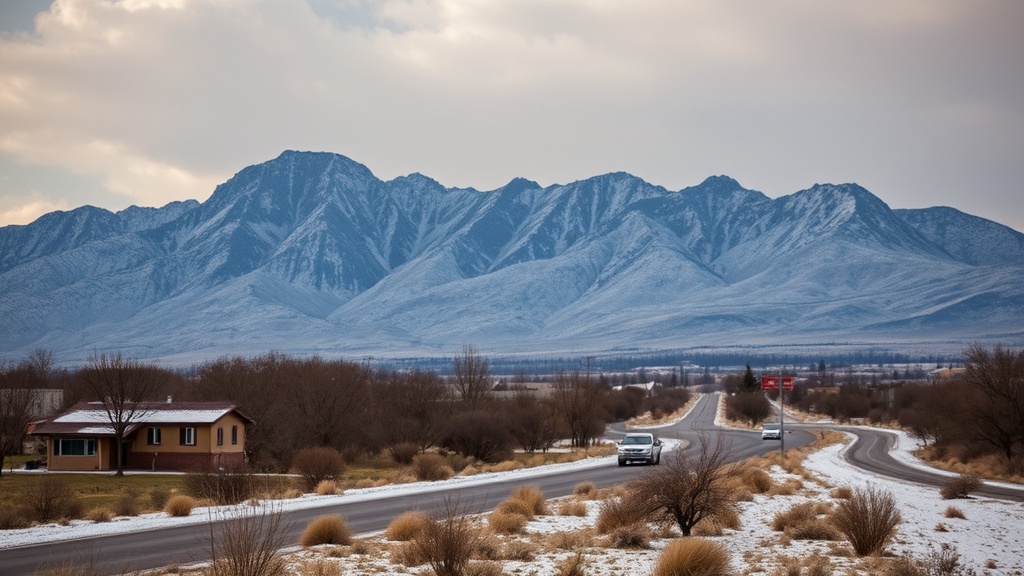
The Heber Valley, known for its picturesque landscapes and rich ecosystems, has seen significant growth in recent years, prompting UDOT to propose a bypass as a solution to increasing traffic woes. The planned route is designed to redirect through traffic away from the main thoroughfares, which have become congested due to population growth and tourism. Proponents of the bypass argue that it is essential for improving safety and accessibility in the region. However, the DEIS has come under fire for its perceived lack of thorough analysis regarding the environmental impact of the proposed construction.
Environmental advocates are particularly concerned about the wetlands that lie within the proposed bypass area. Wetlands play a crucial role in maintaining local ecosystems; they act as natural water filters, provide habitat for diverse wildlife, and help mitigate flooding. The DEIS, according to critics, fails to provide a comprehensive evaluation of how the project would affect these vital areas. Instead, they argue that it focuses primarily on the benefits of the bypass without adequately weighing the potential ecological costs.
In a letter addressed to local officials and stakeholders, one concerned resident emphasized the disparity in the DEIS's analysis. "While the document outlines the anticipated traffic improvements, it does not sufficiently inform us of the risks to our wetlands and the broader environmental implications of this project," the letter stated. This sentiment has been echoed by various environmental groups who feel that the DEIS does not present a balanced view of the trade-offs involved in the bypass decision.
The letter also cited specific areas of concern, such as the potential for increased runoff and pollution in nearby water bodies as a result of the construction. Wetlands, often seen as buffers, help absorb excess water, but their degradation could lead to more severe flooding in the surrounding areas. Furthermore, the loss of wetland habitats could endanger local wildlife species that depend on those ecosystems for survival.
As the public comment period for the DEIS continues, stakeholders are urged to voice their opinions and concerns. UDOT has planned several public meetings to discuss the findings of the DEIS and gather feedback from community members. During these meetings, residents will have the opportunity to ask questions and express their views on how the bypass could impact the local environment.
Despite the valid concerns raised, UDOT has stated that it is committed to finding a solution that addresses both infrastructure needs and environmental preservation. The department has indicated that it is open to considering alternative routes or mitigation strategies that could lessen the impact on wetlands while still achieving the traffic relief objectives of the bypass.
Local government officials have expressed the importance of balancing development and environmental stewardship. Heber City Mayor Kelleen Potter commented, "We want to ensure that our community grows responsibly, and that includes protecting our natural resources. We need to work together to find a solution that meets our transportation needs without compromising our ecosystems."
As the debate over the Heber Valley Bypass continues, the challenge remains to navigate the complexities of infrastructure development in a way that considers both economic growth and environmental sustainability. Community members and stakeholders will need to stay engaged in the process to ensure that their voices are heard and that any decisions made reflect a comprehensive understanding of the challenges at hand.
In conclusion, the Heber Valley Bypass presents a multifaceted issue that requires careful consideration of both the benefits of improved infrastructure and the potential environmental costs. As UDOT moves forward with its plans, the outcome will likely set a precedent for future development projects in the region, highlighting the necessity of thorough environmental assessments and community involvement in decision-making processes.