GOP Lawmakers Target Utah Judiciary Amid Court Setbacks
Tensions rise in Utah as GOP lawmakers confront judiciary after defeats in key rulings on abortion and transgender rights.

In recent months, tensions between Utah's Republican lawmakers and the judiciary have escalated significantly, following a series of court rulings that have delivered notable defeats to the legislature. These judicial decisions, particularly concerning contentious issues such as abortion rights, transgender athlete participation, and the ability of lawmakers to repeal voter-approved ballot initiatives, have sparked a robust discussion about the balance of power within the state government. As these frustrations mount, GOP leaders are now turning their attention to potential reforms aimed at reshaping the judiciary's influence in Utah.
The judicial setbacks began to accumulate earlier this year when the state Supreme Court ruled against Republican-backed legislation that sought to impose stricter regulations on abortion services. This ruling affirmed the legality of abortion in Utah, following a nationwide trend where courts have blocked similar legislative efforts in other states. The decision was met with disappointment from conservative lawmakers who had campaigned on promises to limit abortion access, viewing the court's ruling as a direct challenge to their legislative authority.
In addition to the abortion ruling, lawmakers faced another significant defeat regarding the participation of transgender athletes in high school sports. A recent decision from a district court found that a law aimed at banning transgender girls from competing in girls' sports was unconstitutional. This ruling underscored the judiciary's role in protecting the rights of marginalized groups, while simultaneously raising concerns among GOP lawmakers about the implications for future legislation.
These court decisions have not only frustrated Republican lawmakers but have also prompted discussions about the legislative process and the role of the judiciary in the state. There is growing sentiment among GOP leaders that they need to reevaluate how laws are crafted to avoid judicial intervention. Some lawmakers are now advocating for a more proactive approach to legislation, one that includes better legal vetting processes to withstand potential court challenges.
Furthermore, tensions have intensified around the issue of gerrymandering and the ability of legislators to modify political boundaries. Following a ballot initiative passed by voters to establish an independent commission for redistricting, Republican lawmakers have expressed dissatisfaction with the commission's influence over the redistricting process. They argue that the commission's decisions have undermined their ability to draw district lines that reflect their electoral strategies, leading to calls for revisiting the initiative.
In light of these challenges, some Republican lawmakers are proposing measures to increase legislative oversight over the judiciary. This includes discussions about potential changes to how judges are appointed and reviewed, as well as the introduction of new laws that could limit the judiciary's ability to intervene in legislative matters. While these proposals are still in the early stages, they signal a shift in the GOP's approach to governance in Utah, where the judiciary is seen as an obstacle rather than a partner in the legislative process.
Critics of the GOP's proposed changes argue that such moves could undermine the independence of the judiciary and set a dangerous precedent for future governance. They emphasize the importance of maintaining a system of checks and balances, warning that efforts to curtail judicial power could erode public trust in the legal system. This debate reflects a broader national conversation about the role of the judiciary in protecting civil rights and upholding democratic principles, particularly in an era marked by increasing polarization and partisanship.
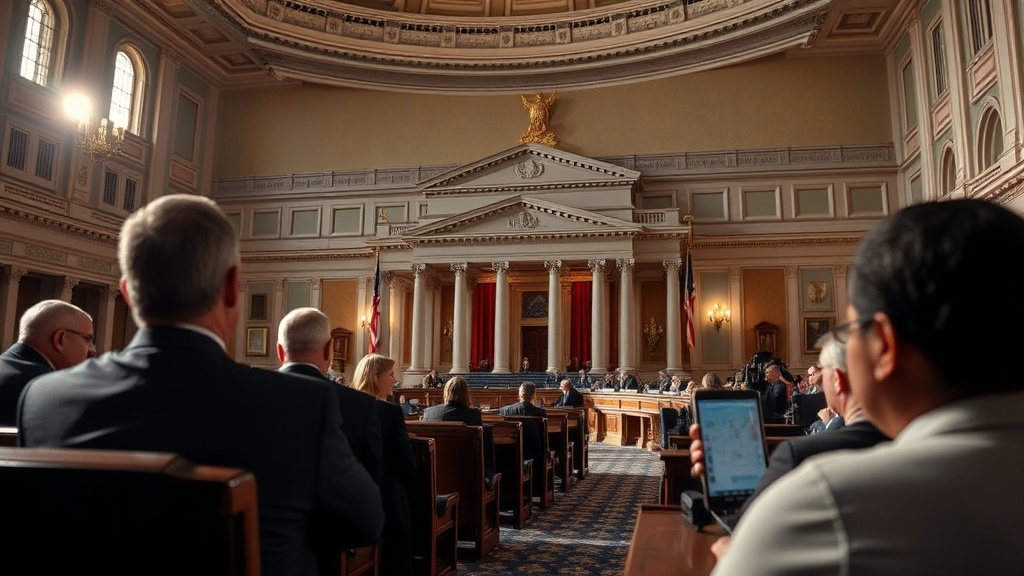
As the Utah legislature reconvenes, the ongoing tensions between lawmakers and the judiciary are likely to be a focal point of discussion. With the prospect of further judicial challenges looming over several key legislative priorities, GOP leaders will need to navigate these complexities carefully. The outcomes of these discussions could shape the future of governance in Utah, with implications that extend beyond state borders.
In conclusion, the relationship between Utah's Republican lawmakers and the judiciary has reached a critical juncture, marked by recent court decisions that have thwarted several key legislative initiatives. As GOP leaders seek to assert their influence and reshape the dynamics of power within the state, the potential ramifications of these actions could reverberate throughout the political landscape, raising important questions about the balance of power and the protection of individual rights in Utah and beyond.