February Brush Fire in Wanship Highlights Unseasonably Dry Conditions
A February brush fire in Wanship raises concerns over unseasonably dry conditions in Summit County, Utah.
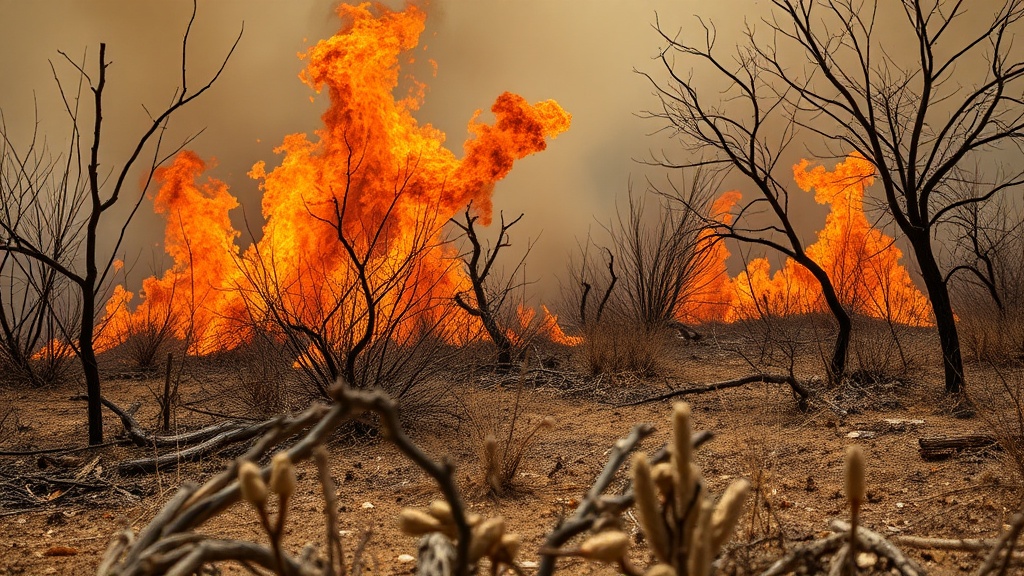
SUMMIT COUNTY, Utah — In an unusual turn of events for February, fire crews swiftly responded to a brush fire near Wanship on Friday afternoon, a time when deep snow typically blankets the region, effectively quelling any wildfire activity. The incident unfolded around 1:10 p.m. when North Summit Fire District crews were dispatched to the scene after reports of flames in the area. Given the uncharacteristic nature of the fire, additional resources were requested from the Park City Fire District and Utah Forestry, Fire & State Lands to combat the blaze.
The fire, which burned approximately 1.5 acres, was quickly contained, and fortunately, no injuries were reported, nor were there any structures threatened by the flames. Battalion Chief McKay Wadley from the Park City Fire District provided insight into the cause of the fire, noting it was human-caused and accidental, ignited during work being conducted at a local ranch.
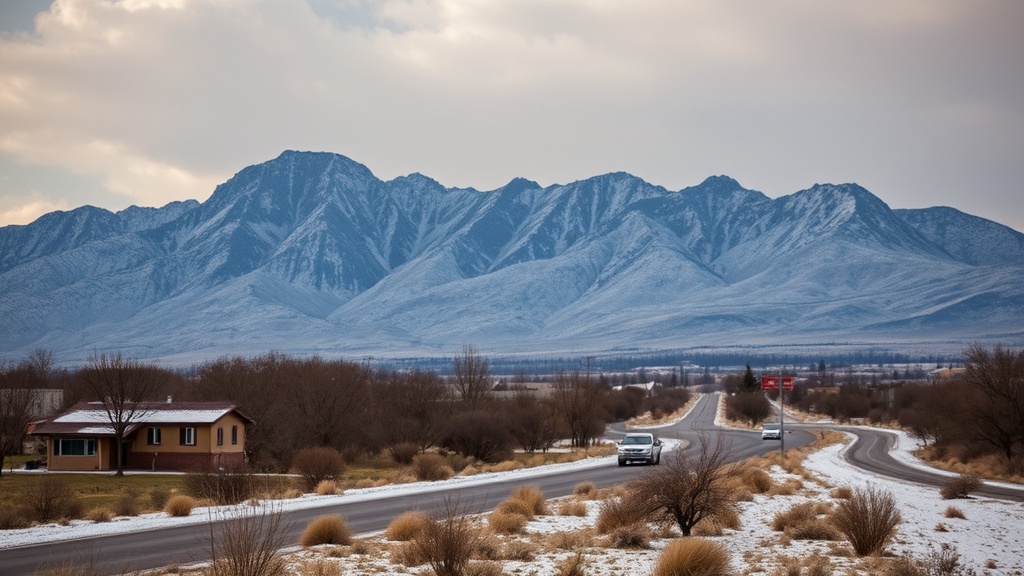
Chief Wadley stressed that while the cause of the fire was significant, the timing was even more remarkable. "The biggest thing that’s unique about this is that it’s February," he stated. "Usually an area like that would be under four feet of snow. We typically don’t see brush fires this time of year."
This winter has been marked by below-average snowfall and warmer-than-usual temperatures, leading to drier vegetation across Summit County. Wadley explained that the current conditions are more reminiscent of late spring, when brush fires are more common.
“Normally, the vegetation holds a lot more moisture because of snowpack, cooler temperatures, and fewer daylight hours,” he elaborated. “This year, it just hasn’t had that chance.” The lack of moisture in the soil and the vegetation has created an environment ripe for fire risk, a concern that has not gone unnoticed by local fire officials.
Wind conditions also contributed to the fire's spread, with the flames igniting in a low-lying area where shifting winds propelled the fire forward. Firefighters worked diligently to contain the blaze before it could reach steeper terrain, which would have posed a greater challenge for containment efforts.
Following the successful containment of the fire, the North Summit Fire District announced it would continue monitoring the area for the next 24 hours to ensure that no hot spots remained and that the fire was fully extinguished. As of now, the fire is considered fully under control.
While Wadley indicated that this incident appears to be an isolated event, he expressed concern that it could signal an earlier-than-usual start to the fire season if the dry conditions persist. “Our fire season usually starts in April or May,” he observed. “It’s unusual to see activity this early.” This highlights a growing trend observed in various regions, where climate shifts have resulted in altered seasonal patterns, raising alarms for fire safety and prevention.
In light of these developments, Chief Wadley urged residents to remain vigilant regarding fire safety, even during the winter months when they might typically feel safer. “There are no fire restrictions right now, but people should be aware of how dry it is,” he advised. He encouraged anyone planning to have a backyard fire or use any kind of open flame to take precautions, such as having water or a fire extinguisher readily available.
The occurrence of a brush fire in February serves as a stark reminder of the unpredictability of weather patterns and environmental conditions. As Summit County continues to experience drier-than-normal conditions, residents and officials alike are left to ponder the implications for fire safety and the potential for a longer, more perilous fire season ahead. With climate change increasingly becoming an undeniable factor, the community may need to adapt to a new normal where the risk of wildfires could extend beyond traditional seasons. As the winter progresses, the focus will remain on monitoring conditions and ensuring that both residents and visitors are aware of the heightened risks associated with these unusual weather patterns, which have the potential to impact not only fire safety but also the broader ecosystem in Summit County and beyond.