Environmental Groups Challenge Trump Administration's Northern Corridor Highway Approval
Environmental groups have filed a lawsuit against the Trump administration's approval of a highway that threatens the Mojave desert tortoise's habitat.
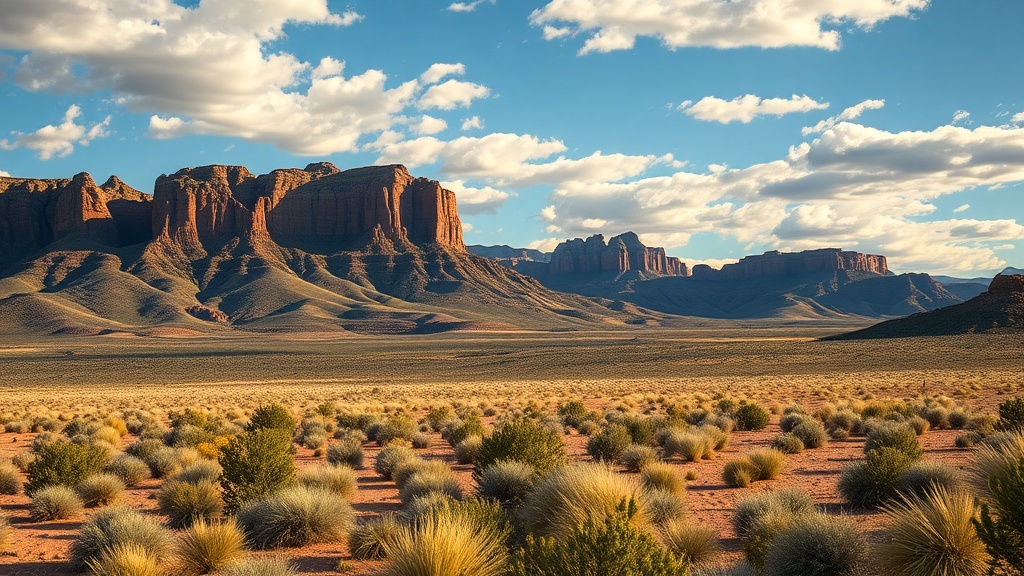
St. George, UT – In a significant development regarding environmental conservation and infrastructure, a coalition of environmental organizations filed a lawsuit on Wednesday against the Trump administration's approval of the Northern Corridor highway project. This legal action comes just one week after the federal government reauthorized the controversial highway, which is set to traverse critical habitats for the threatened Mojave desert tortoise. This case highlights the ongoing tension between infrastructure development and environmental preservation in southern Utah, a region known for its unique ecosystems and biodiversity.
The Northern Corridor highway has been a contentious proposal since its inception, with advocates arguing that it will alleviate traffic congestion and stimulate economic growth in the rapidly developing St. George area. However, environmentalists contend that the highway poses a significant threat to the Mojave desert tortoise, whose population has been dwindling due to habitat loss and fragmentation. The tortoise is listed as threatened under the Endangered Species Act, and its conservation is a priority for various wildlife protection groups.
In the lawsuit, filed by the Southern Utah Wilderness Alliance (SUWA), the Center for Biological Diversity, and other organizations, plaintiffs argue that the federal government's approval process was flawed and failed to adequately assess the environmental impacts of the highway. "This highway will destroy critical habitat for the Mojave desert tortoise and other wildlife, and the administration's decision to push it through without a thorough environmental review is both reckless and unlawful," said SUWA Executive Director Scott Groene.
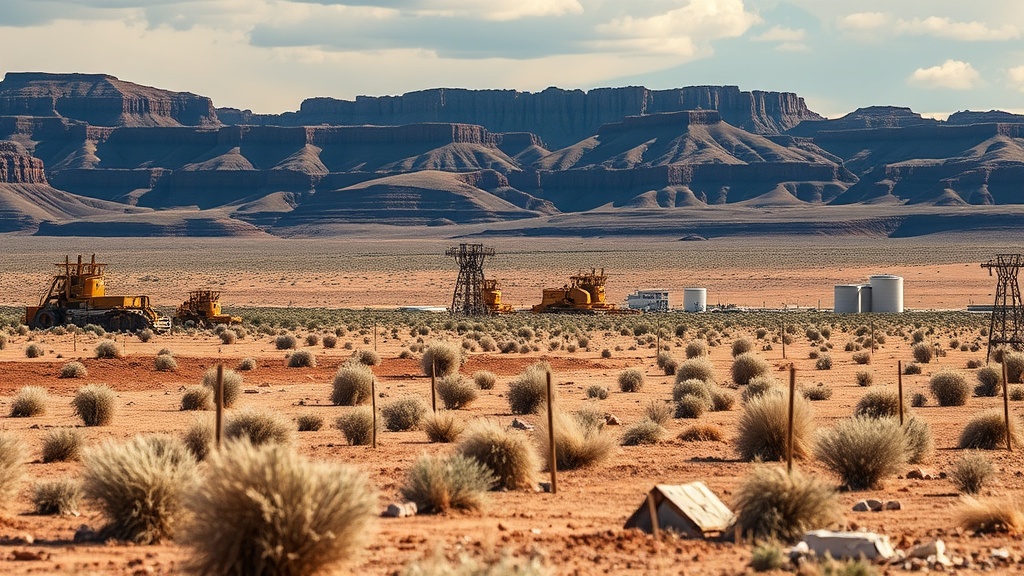
The highway project, which is slated to run approximately 20 miles from the city of St. George to the town of Hurricane, has faced numerous legal challenges over the years. The Trump administration's recent reapproval came after a previous decision by the Obama administration halted the project in 2016, citing environmental concerns. Advocates for the highway contend that the new approval reflects a commitment to infrastructure development that supports growing communities, particularly as St. George continues to attract new residents and businesses.
However, environmental experts warn that the highway could lead to increased vehicle traffic through sensitive desert habitats, exacerbating already existing threats to local wildlife. In addition to the Mojave desert tortoise, the area is home to various species of plants and animals that are adapted to the unique desert environment. "The impacts of this highway extend far beyond just the tortoise; it threatens an entire ecosystem that has evolved over millennia," said Dr. Jane Smith, a biologist specializing in desert ecosystems.
In their legal filings, the plaintiffs are seeking a comprehensive environmental impact statement (EIS) to assess the potential consequences of the highway on the local environment and wildlife. They argue that the National Environmental Policy Act (NEPA) mandates such an assessment before any federal project can proceed, particularly one that could have significant ecological repercussions.
The lawsuit also highlights the growing conflict between local development interests and broader environmental goals. Proponents of the highway argue that it is essential for economic growth and public safety, citing increasing traffic congestion as a pressing issue in the area. They assert that the highway will provide a safer route for residents and visitors alike, reducing travel times and enhancing connectivity between communities.
Conversely, environmental advocates express concerns that prioritizing economic development at the expense of ecological health can have long-term detrimental effects. "We cannot sacrifice our natural heritage for short-term gains," said Center for Biological Diversity attorney, Lisa Williams. "The Mojave desert tortoise and its habitat deserve protection, and this lawsuit is a critical step in holding the government accountable to that obligation."
As the legal proceedings unfold, the future of the Northern Corridor highway remains uncertain. The plaintiffs hope that the courts will side with environmental protections, recognizing the importance of preserving critical habitats in the face of development pressures. Meanwhile, the federal government maintains that the highway is a necessary infrastructure project that will benefit the region's growing population.
The case is expected to draw widespread attention, not only for its immediate implications for the Mojave desert tortoise but also for broader conversations about land use, conservation, and the balance between development and environmental stewardship in the American West. As southern Utah continues to grow, the outcomes of such legal battles will likely shape the region's environmental landscape for generations to come.
In conclusion, the lawsuit against the Trump administration's approval of the Northern Corridor highway reflects a critical juncture in the ongoing dialogue about infrastructure and environmental conservation. As stakeholders from both sides of the debate prepare for a lengthy legal battle, the fate of the Mojave desert tortoise and its habitat hangs in the balance, underlining the complexities of modern land use in a rapidly changing world.