Environmental Groups Challenge Federal Approval of Controversial Highway Plan in Utah
Six environmental groups have sued the federal government over a highway project threatening conservation areas in Utah.
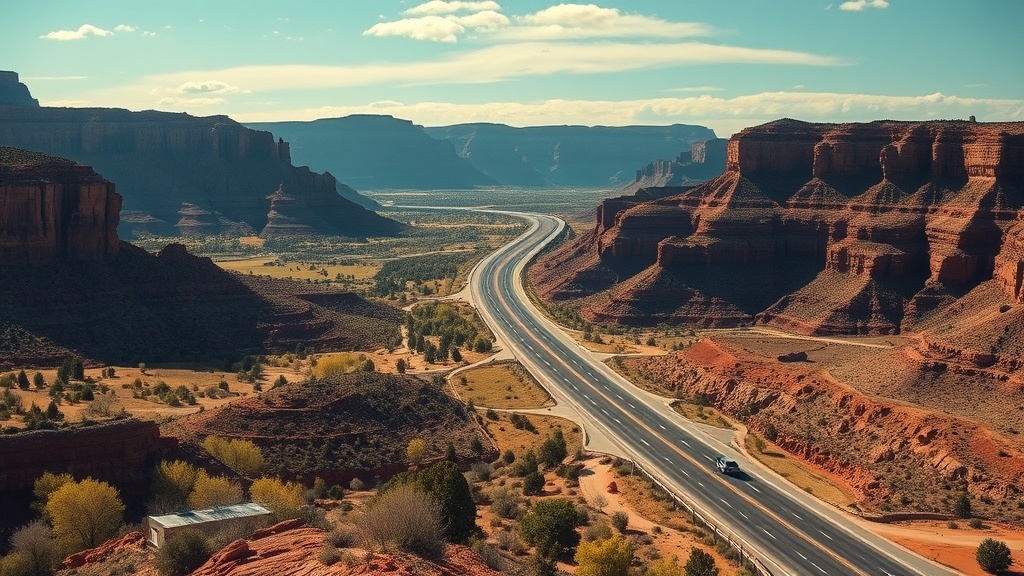
In a significant confrontation over land use and conservation in southwest Utah, six environmental and conservation organizations have filed a lawsuit against the federal government, contesting its recent approval of a controversial highway project in Washington County. The project, which aims to expand the road network in a region known for its rich biodiversity and scenic landscapes, is seen by the groups as a direct threat to the integrity of the surrounding conservation area.
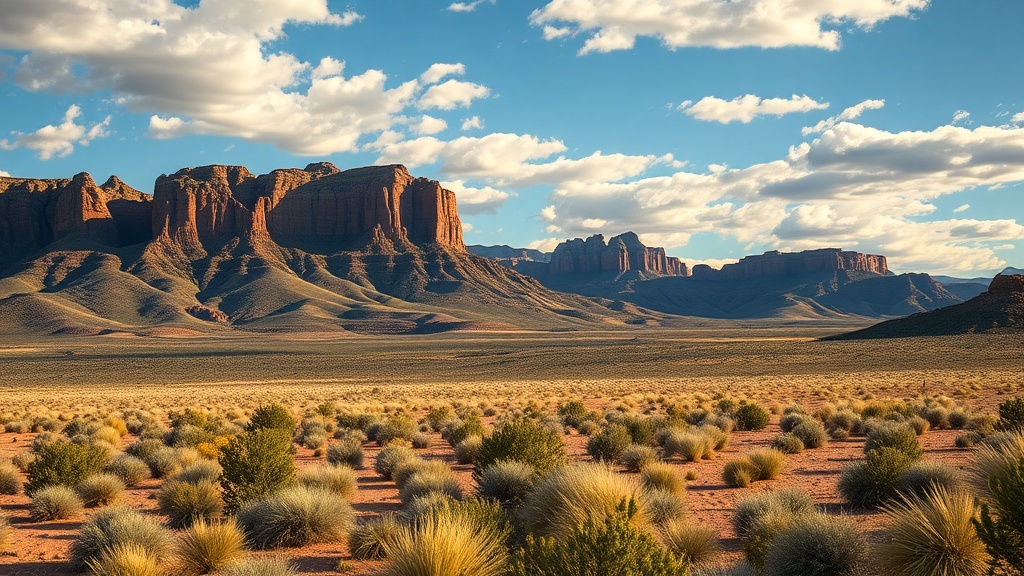
The highway plan, originally proposed several years ago, seeks to extend an existing roadway through a section of the Red Cliffs Desert Reserve, a designated conservation area acknowledged for its unique desert ecosystems and habitat for endangered species, including the Mojave desert tortoise. The reserve, established to protect critical habitats, has been a focal point for local and national conservation efforts, making the recent federal decision particularly contentious.
According to the lawsuit, filed in the U.S. District Court for Utah, the groups argue that the federal agencies involved, including the U.S. Fish and Wildlife Service and the Bureau of Land Management, failed to adequately consider the environmental impact of the road expansion. "This project not only threatens the wildlife that relies on this delicate ecosystem but also undermines the very purpose of the conservation area itself," stated Michael O’Donnell, an attorney representing the coalition of environmental groups. The lawsuit seeks to halt the project until a more comprehensive environmental review can be conducted, arguing that the existing assessments are insufficient.
The environmental coalition, which includes organizations such as the Southern Utah Wilderness Alliance and the Sierra Club, emphasizes that the highway project could lead to increased vehicular traffic, habitat fragmentation, and potential pollution in an area that has been preserved for its ecological significance. "Allowing this highway to proceed would set a dangerous precedent for conservation efforts across the nation," warned Anna Smith, a conservation biologist with the Southern Utah Wilderness Alliance.
The federal government, for its part, has defended its decision, asserting that the highway is necessary for economic development and improving access for residents in the rapidly growing region. Local officials have argued that the expansion will enhance transportation infrastructure, reduce congestion, and provide critical access for emergency services.
Supporters of the highway project contend that it is crucial for accommodating the population growth in Washington County, which has seen a significant influx of new residents in recent years. They argue that improved road access will facilitate economic opportunities, allowing for better connectivity between communities and support for local businesses. Washington County officials have expressed frustration with the lawsuit, stating that it could delay essential infrastructure improvements needed for the area’s growing population.
The conflict highlights a broader debate over land use in the western United States, where the balance between development and conservation continues to be a contentious issue. Environmental advocates fear that federal decisions favoring infrastructure development could undermine decades of conservation efforts, particularly in ecologically sensitive areas such as the Red Cliffs Desert Reserve.
The lawsuit also raises questions about the adequacy of existing federal environmental regulations and the extent to which they protect designated conservation areas from development pressures. Environmental groups argue that the current regulatory framework does not sufficiently account for cumulative impacts on ecosystems, particularly in regions characterized by rapid growth and development.
As the legal battle unfolds, the future of the highway project remains uncertain. The court's decision could have far-reaching implications not only for the proposed road but also for future conservation initiatives in the region. If the court sides with the environmental groups, it may require a reevaluation of the project and potentially set a precedent for similar cases across the nation.
In the meantime, local residents and businesses are left awaiting the outcome, caught in the crossfire of a debate that pits economic development against environmental preservation. As the situation develops, both sides are preparing for a lengthy legal process, with the potential for further appeals depending on the court's ruling. The case underscores the ongoing struggle to balance the needs of human communities with the imperative to protect the natural environment, a challenge that is increasingly relevant as urban areas continue to expand into previously untouched landscapes.
In conclusion, this lawsuit represents a pivotal moment in the ongoing conversation about land use and conservation in Utah and beyond. As the parties prepare for court, the implications of this case will likely resonate far beyond the boundaries of Washington County, shaping the future of conservation efforts and infrastructure development across the region.