Discovering History: A Soldier's Diary Reveals Insights from WWII
A German soldier's diary found at a NYC flea market reveals personal insights from WWII, prompting reflections on history and humanity.
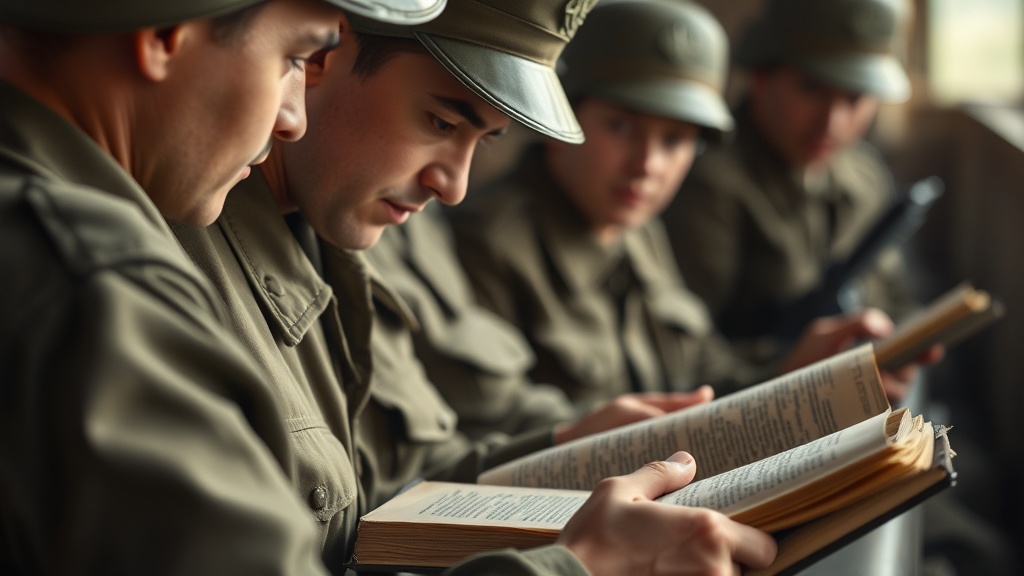
In a bustling flea market in New York City on a sun-drenched summer day years ago, an unexpected find caught the eye of a curious passerby. Among a hodgepodge of items—including vintage hat blocks, Matchbox cars, and an Underwood typewriter—lay an unassuming diary belonging to a German soldier from the early 1940s. This discovery not only piqued the interest of the finder, who identifies as Jewish, but also prompted a deeper exploration of the historical context it represented.
The diary, which appeared to be an ordinary account of a soldier's life, was anything but mundane. It contained candid reflections on daily life during World War II, offering a rare glimpse into the mindset of an individual caught in one of history's most turbulent times. The soldier's entries detailed not just military operations, but also personal thoughts, fears, and the emotional toll of conflict, allowing readers to understand the war through a deeply human lens.
Historically, the period of the early 1940s was marked by immense upheaval in Europe, particularly as Germany expanded its reach under Adolf Hitler's regime. The war had profound effects not only on the nations involved but also on the lives of ordinary citizens and soldiers. The diary serves as a poignant reminder that amidst the chaos of war, individual experiences and emotions persist, often overshadowed by grand narratives of heroism and villainy.
As the finder flipped through the pages, they encountered descriptions of life on the front lines, the camaraderie among soldiers, and the stark realities of combat. The diary also reflected on the soldier's inner conflicts regarding the war and its moral implications. Such insights paint a complex picture of a soldier grappling with the ideological motivations of his government while also experiencing the pangs of humanity in the face of violence.
The discovery raises important questions about how we engage with history, especially in a multicultural society like the United States. The juxtaposition of a Jewish American finding a diary from a German soldier highlights the diverse narratives that coexist within historical discourse. It challenges the notion of absolute good versus evil, reminding us that individuals on all sides of conflict have their stories, shaped by their experiences and environments.
In contemporary society, the lessons gleaned from such artifacts remain relevant. They urge us to confront the past with a willingness to understand multiple perspectives. This becomes increasingly vital as current global conflicts continue to reflect the complex interplay of ideology, national identity, and human emotion.
Moreover, the act of preserving such artifacts, whether through personal collections or institutional archives, plays a crucial role in ensuring that the lessons of history are not forgotten. Historians and educators emphasize the importance of examining primary sources, like the soldier's diary, to foster critical thinking and empathy in future generations.
As people increasingly seek to understand the nuances of historical narratives, the diary serves as a bridge between the past and present. It invites conversation about the nature of war, the moral dilemmas faced by those involved, and the enduring impacts on both victors and the vanquished. The attention drawn to this diary, and others like it, underscores the importance of personal narratives in the broader context of history.
In conclusion, the diary of the German soldier discovered in a New York flea market is more than a relic of the past; it is a catalyst for deeper understanding and reflection. It serves as a reminder that history is not simply a series of events but a tapestry woven from countless individual stories. Each entry in the diary contributes to our collective memory, urging us to remember, learn, and engage with the complexities of human experience. As we reflect on such discoveries, we are reminded of the importance of empathy and understanding in a world still grappling with the legacies of conflict and division.