Reflections on Freedom: A Venezuelan Expat's Response to US Bombing
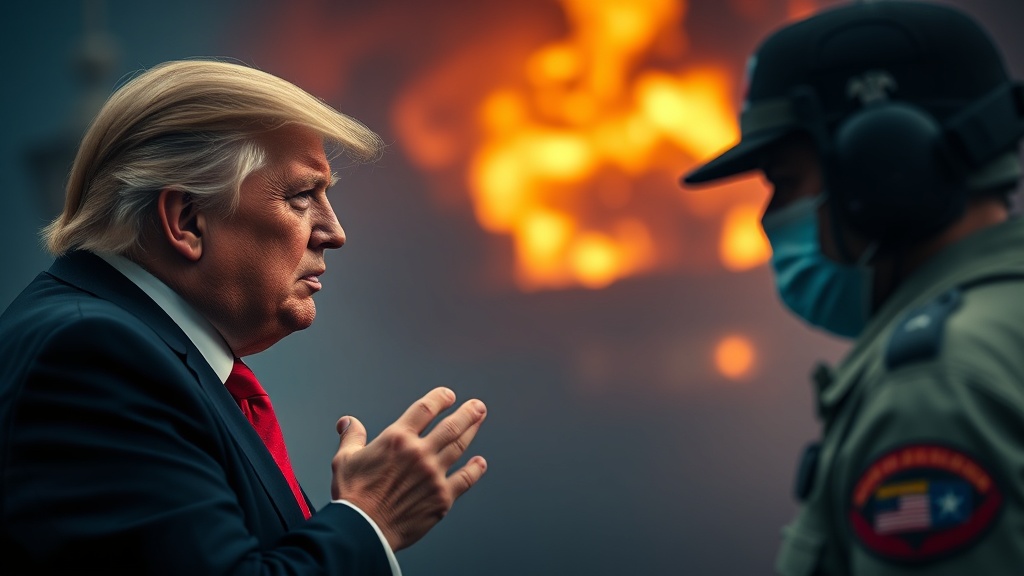
The U.S. bombing of Caracas has sparked global concern, especially among Venezuelan expatriates reflecting on freedom and stability.
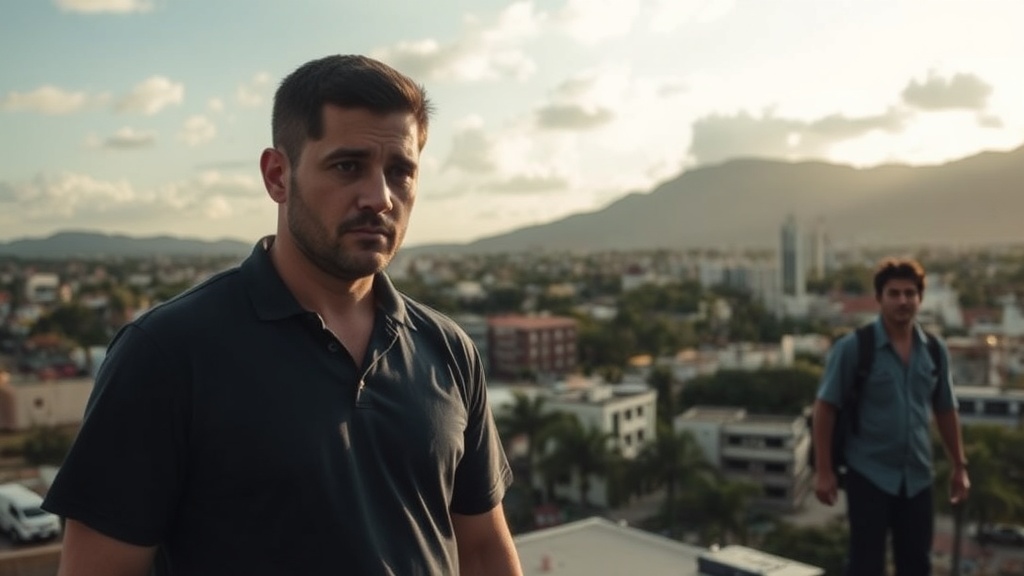
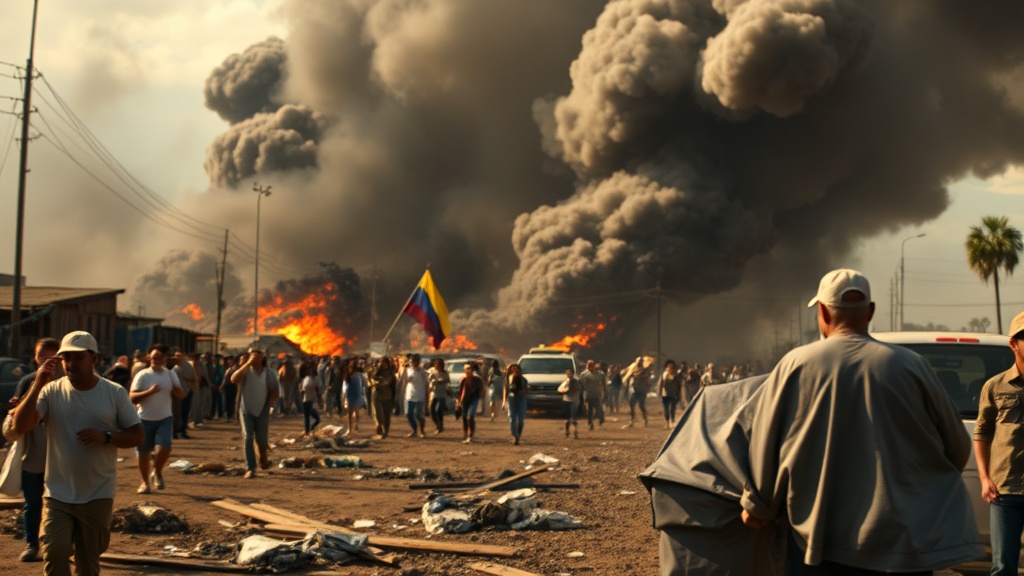
In the early hours of January 3, 2026, an alarming event unfolded in Venezuela that sent shockwaves across the globe. At approximately 11:30 p.m. local time, residents of Caracas were abruptly awakened by the sound of explosions as the United States launched a military strike targeting key facilities in the capital. The news reached many Venezuelans, including families and expatriates, who are grappling with the implications of such actions on the already tumultuous political landscape of their homeland.
The attacks were reportedly aimed at military installations linked to the Venezuelan government, which has been at odds with the U.S. for years over issues ranging from human rights violations to the country’s controversial oil policies. As the explosions echoed through the streets, a mixture of fear and uncertainty gripped the population. Many residents took to social media to express their shock and concern, while others gathered in public places to discuss the implications of this military action.
For expatriates like myself, who fled Venezuela in search of stability and safety, the news was particularly distressing. Having experienced the hardships of life under an oppressive regime, I am not celebrating the violence but rather reflecting on the broader implications of this conflict. The U.S. has long been involved in Venezuelan affairs, and the recent bombing has reignited debates about the effectiveness and morality of foreign intervention in sovereign nations.
Humanitarian organizations have raised alarms about the potential fallout from the attack. With Venezuela already facing a dire humanitarian crisis, exacerbated by years of economic mismanagement and political strife, the potential for further destabilization is concerning. Many Venezuelans are already struggling with food shortages, medical care access, and rampant inflation. The U.N. has previously reported that over five million Venezuelans have fled the country since 2015, seeking refuge from the turmoil.
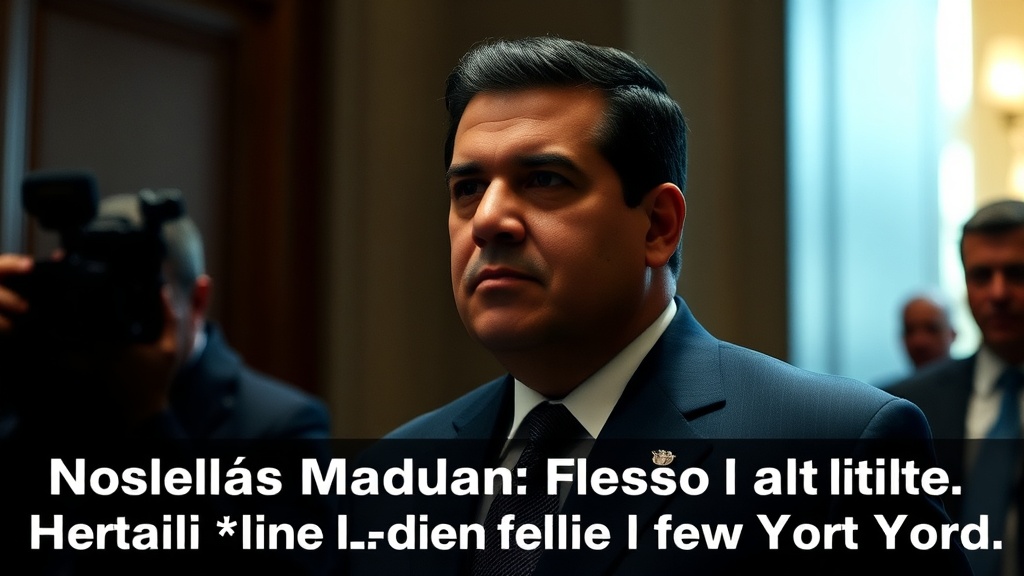
Experts suggest that while the U.S. government may argue that military action was necessary to counteract a regime accused of significant human rights abuses, the consequences could be far-reaching. The bombings could provoke increased hostility toward the U.S. among Venezuelans, potentially uniting the population against a common enemy. This could empower the Maduro regime, which has often used external threats to justify its hold on power.
In the wake of the attack, political analysts are also considering the strategic motivations behind the U.S. military action. The Biden administration has faced increasing pressure from both political opponents and human rights advocates to take a firmer stance against the Maduro government. However, critics argue that military intervention often leads to unintended consequences, further complicating already fragile situations.
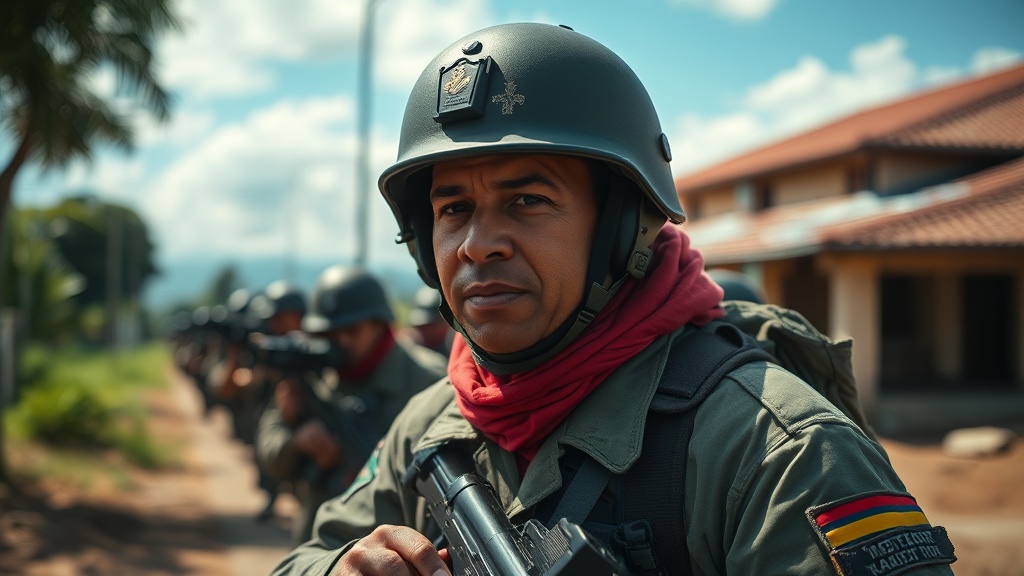
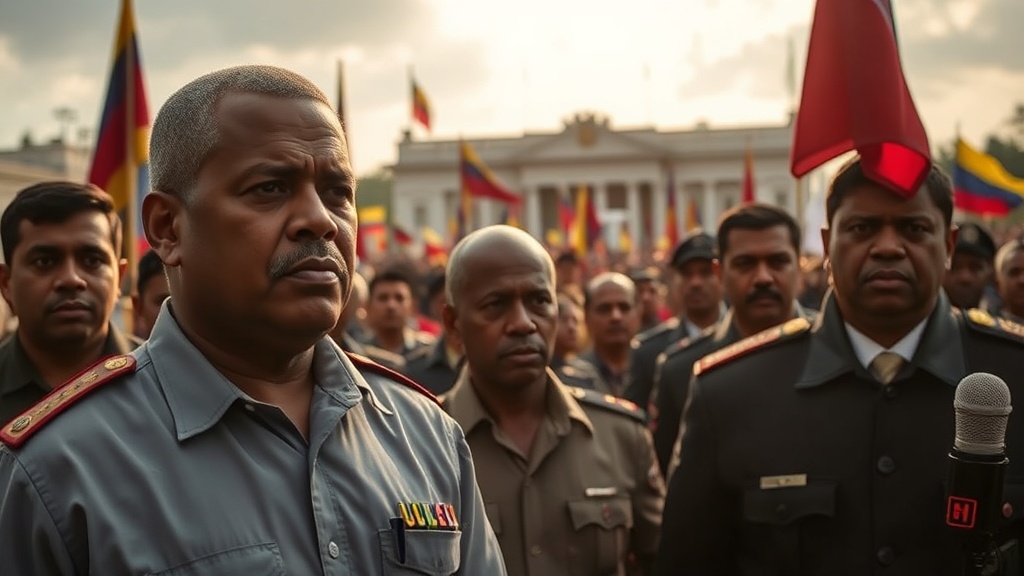
In Caracas, the immediate aftermath of the bombing saw heightened military presence and a surge in government propaganda aimed at rallying nationalistic sentiments. State-controlled media outlets portrayed the U.S. as an aggressor, attempting to undermine Venezuelan sovereignty. This narrative resonates with many citizens who have long felt the weight of foreign intervention in their nation’s affairs.
For those of us who left Venezuela, the memories of political persecution and economic despair are still fresh. While the desire for freedom and democracy remains strong, the path to achieving it is fraught with challenges. The conflict between the U.S. and Venezuela is not merely a geopolitical struggle; it is a deeply personal issue that affects millions of lives.
As the world watches the developments unfold, it is crucial to remember that the quest for freedom should not come at the cost of further violence and suffering. The history of foreign interventions often serves as a cautionary tale about the complexities of international relations and the unpredictable nature of conflict.
In conclusion, while the bombing of Caracas may have been intended to signal a commitment to democratic values, it also underscores the precarious situation in which Venezuelans find themselves. The hope for a peaceful resolution and a return to stability is paramount, as the future of Venezuela hangs in the balance. As an expatriate, I advocate for a nuanced understanding of the situation—one that emphasizes dialogue and diplomacy over military action, in the hopes of fostering a brighter future for all Venezuelans, both at home and abroad.