Global Reactions Intensify Following Trump's Bold Venezuela Operation
President Trump's capture of Venezuelan leader Nicolas Maduro sparks global debate over U.S. interventionism and its implications for democracy.
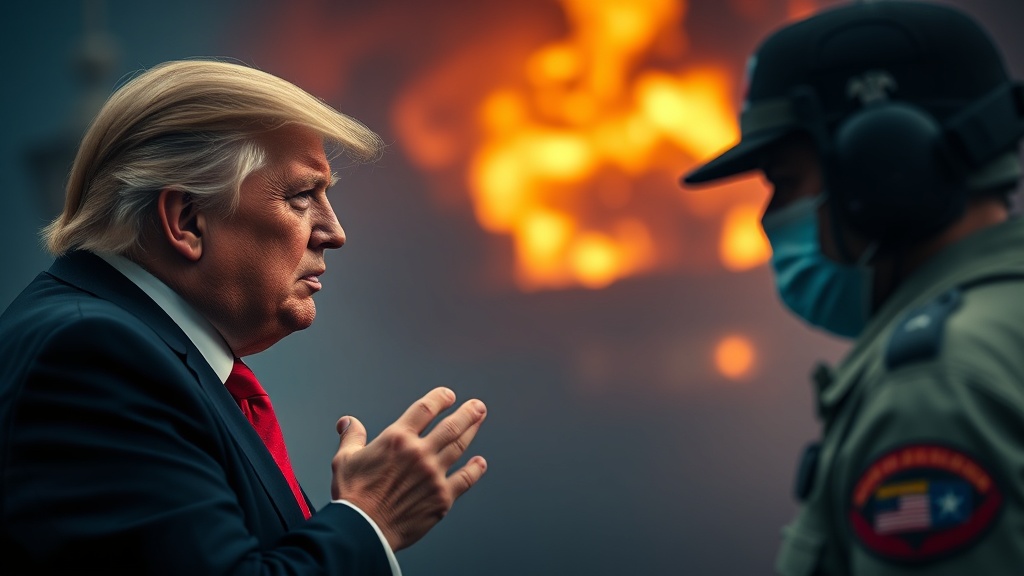
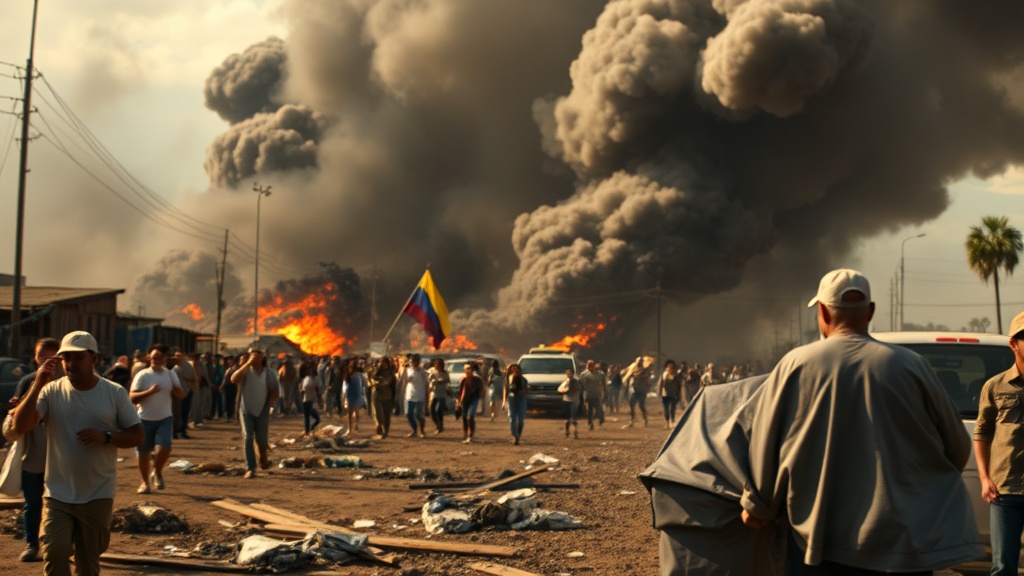
In a dramatic turn of events, President Donald Trump's administration successfully executed a military operation on Saturday that resulted in the capture of Venezuelan President Nicolas Maduro and his wife, Cilia Flores. The operation, which has been described as unprecedented in its scope and ambition, has sent shockwaves through the international community, polarizing world leaders and igniting heated debates over U.S. foreign interventionism.
The operation unfolded early in the morning, with U.S. Special Forces reportedly coordinating with Venezuelan opposition groups in an effort to dismantle what many view as a repressive regime. Maduro, who has led Venezuela since 2013, has faced mounting criticism for his government’s handling of the economy, which has plunged the country into chaos marked by hyperinflation, food shortages, and widespread human rights abuses. In a statement released by the White House, Trump's administration characterized the operation as a necessary step to restore democracy in Venezuela and liberate its people from tyranny.
"Today, we take a bold step to end decades of oppression in Venezuela and stand with the brave men and women who have fought for their freedom," Trump stated during a press briefing following the operation. The administration emphasized that this intervention was not merely a military maneuver but a decisive action in defense of democratic values and human rights.
Reactions to the operation have been mixed and deeply divided along ideological lines. Exiled Venezuelan opposition leaders, many of whom have risked their lives to challenge Maduro's rule, expressed their support for the U.S. intervention. Figures like Juan Guaidó, who declared himself interim president in early 2019, hailed the operation as a long-awaited opportunity to restore democracy in the nation. "This is a historic moment for Venezuela. We are closer than ever to reclaiming our freedom," Guaidó stated in a televised address to supporters.
However, the operation has drawn sharp criticism from authoritarian regimes and governments that view it as an act of aggressive imperialism. Leaders from countries such as Russia and China have condemned the U.S. action, questioning the legality and ethical implications of a military intervention in a sovereign nation. Russian Foreign Minister Sergey Lavrov labeled the operation as a "dangerous escalation" that undermines international law. "We strongly oppose any form of foreign interference in Venezuela’s internal affairs," Lavrov stated, reflecting a sentiment echoed by several Latin American governments who fear a resurgence of U.S. interventionism in the region.
Latin American leaders, including those from Mexico and Argentina, have also voiced concerns, emphasizing the importance of diplomatic solutions over military interventions. Mexican President Andrés Manuel López Obrador called for dialogue among Venezuelan factions, expressing skepticism about the potential for a peaceful resolution following such a significant military action. "We must seek solutions that avoid further violence and promote reconciliation among Venezuelans," he said in a press conference.
The implications of this military operation extend beyond Venezuela's borders. Analysts warn that it could set a dangerous precedent for U.S. foreign policy, potentially legitimizing military interventions in other nations under the banner of restoring democracy. Critics fear that such actions might lead to increased instability in the region and embolden other authoritarian leaders to resist U.S. influence. Furthermore, the operation raises questions about the long-term strategy of the Trump administration in Latin America, particularly as it approaches an election year.
International relations expert Dr. Maria Rodriguez from Georgetown University noted that this operation could have far-reaching consequences. "The U.S. has a long history of intervening in Latin America, often with mixed results. This operation could reignite debates about American exceptionalism and interventionist policies that many thought had been left in the past," Rodriguez remarked.
As the dust settles from this unprecedented operation, the world watches closely to see how the situation in Venezuela will evolve. The potential for civil unrest remains high, as Maduro's supporters may react violently to what they perceive as an invasion of their homeland. Meanwhile, the international community grapples with the ramifications of U.S. military action in a country already battered by years of economic turmoil and humanitarian crises.
In conclusion, President Trump's operation in Venezuela has catalyzed a complex interplay of support and condemnation across the globe. Whether it will lead to a brighter future for the Venezuelan people or further entrench divisions remains to be seen. As the situation develops, world leaders are faced with the challenge of navigating a new geopolitical landscape shaped by this bold and controversial move.