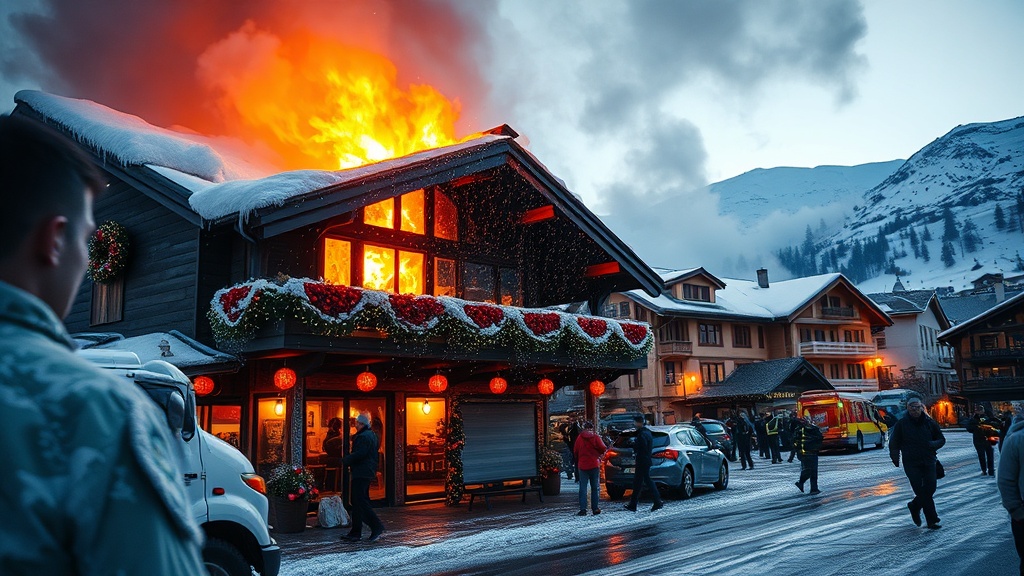
Exploring the Consequences of Military Actions in Venezuela
Venezuela's crisis deepens as international military actions raise concerns over sovereignty and humanitarian impacts.
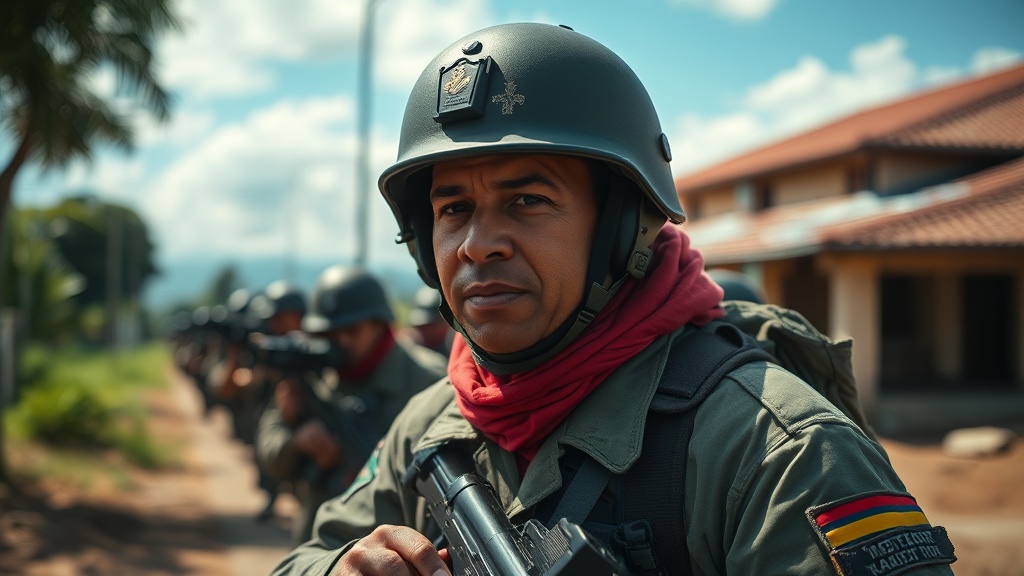
In recent years, Venezuela has been at the center of international scrutiny due to its political turmoil and economic collapse. The country, once one of the wealthiest in Latin America, now faces severe humanitarian crises, including food shortages, mass migration, and hyperinflation. The political landscape is dominated by the ongoing conflict between the government of Nicolás Maduro and opposition forces, leading to debates over the legitimacy of external interventions, particularly from the United States.
In early 2019, a significant escalation occurred when the Trump administration openly supported Juan Guaidó, the opposition leader who declared himself interim president. This move was framed as a response to Maduro's authoritarian regime but raised serious questions regarding international law and sovereignty. Many critics argued that the U.S. was engaging in an illegal act of war by attempting to influence the outcome of a foreign nation's leadership through military means.
The military operation planned by the Trump administration was lauded by some as a tactical success, showcasing advanced strategies and capabilities. However, the legality of such actions remains highly contested. International law is clear on the principles of sovereignty and non-intervention, creating a complex backdrop against which the U.S. actions were viewed. The principle of non-intervention is rooted in the United Nations Charter, which emphasizes the importance of respecting the territorial integrity of nations.
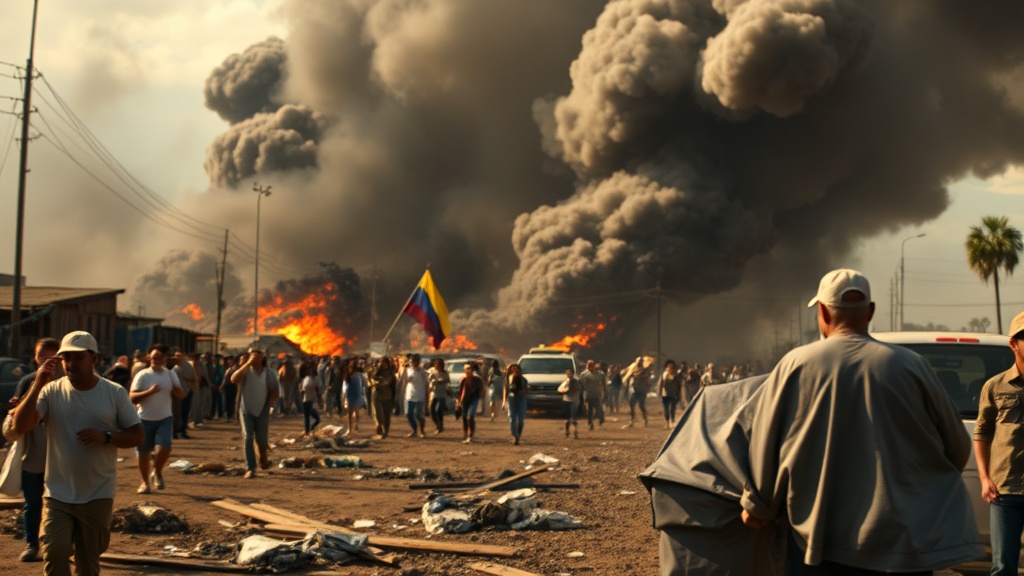
The implications of this military approach are profound. Venezuela is already experiencing one of the worst humanitarian crises in the world, with millions fleeing the country in search of better living conditions. The potential for escalated violence, civil unrest, and further destabilization of the region is significant. Experts warn that any military operation can lead to unintended consequences, including civilian casualties and a deepening of the existing humanitarian crisis.
Moreover, the geopolitical ramifications extend beyond Venezuela's borders. Countries in the region, such as Colombia and Brazil, have been significantly affected by the influx of Venezuelan refugees. The social fabric of these nations is strained, as they grapple with the economic and logistical challenges of hosting millions of displaced individuals. Additionally, the involvement of international powers, including Russia and China, adds another layer of complexity, as these nations have historically supported Maduro's regime, viewing U.S. interventions as a threat to their strategic interests.
Political analysts point out that the U.S. approach may not only fail to achieve its objectives but could also solidify Maduro's power base. The narrative of foreign intervention can be a rallying point for nationalist sentiments, leading to increased support for the Maduro government among the Venezuelan populace. This dynamic poses a significant risk of entrenching the very leadership that the U.S. seeks to undermine.
Furthermore, there is a growing concern about the ethical implications of military intervention. The human cost of war is often borne by the most vulnerable populations. In Venezuela, the poor and marginalized communities are disproportionately affected by both the internal crisis and any external military actions. As food and medical supplies become scarce, the international community must grapple with its responsibility toward protecting human rights and addressing humanitarian needs.
As the situation in Venezuela continues to evolve, the international community must consider alternative strategies that prioritize diplomacy and humanitarian assistance over military intervention. Engaging in constructive dialogue with all stakeholders, including opposition groups and government officials, may provide a pathway toward a more peaceful resolution.
In conclusion, the risks associated with potential military actions in Venezuela are enormous. While tactical military operations may appear successful in the short term, the long-term effects on the Venezuelan populace and regional stability could be devastating. The world watches as the crisis unfolds, hoping for a resolution that respects the sovereignty of Venezuela while addressing the dire humanitarian needs of its people.