Nicolás Maduro's Historic Court Appearance in New York Following U.S. Capture
Nicolás Maduro, captured Venezuelan President, faces U.S. court for serious charges, marking a pivotal moment in international relations.
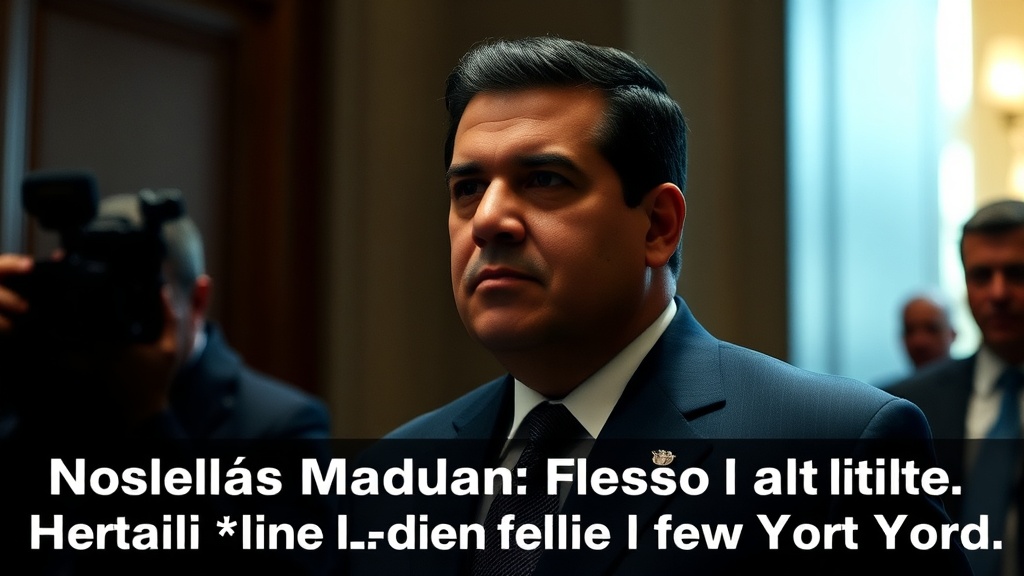
In a significant development in international politics, Nicolás Maduro, the controversial leader of Venezuela, was transported to a New York courthouse early Monday morning for his first court appearance in the United States following his capture. Maduro, who has been accused of various crimes, including drug trafficking and human rights violations, has long been a polarizing figure on the global stage, and his arrival in U.S. legal jurisdiction marks a pivotal moment in U.S.-Venezuelan relations.
The former Venezuelan president was apprehended in a dramatic operation that underscored the U.S. government's commitment to pursuing leaders accused of serious crimes. Maduro's capture was the result of an extensive investigation that revealed his alleged involvement in a narco-terrorism conspiracy, which prosecutors claim fueled a drug crisis impacting communities across the United States. The U.S. Department of Justice had previously issued a $15 million reward for information leading to his arrest, highlighting the seriousness of the charges against him.
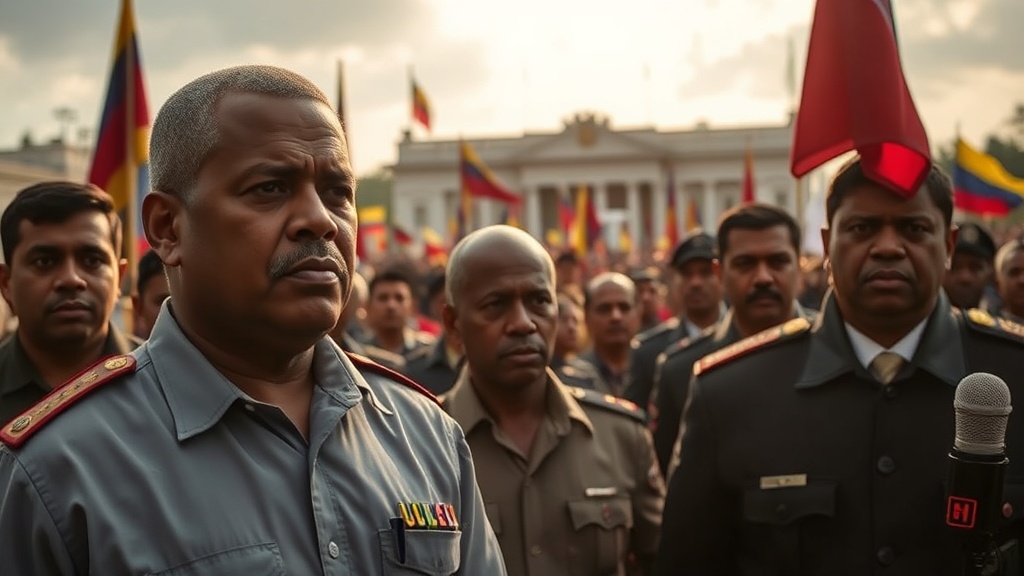
As Maduro arrived at the courthouse, he was met with a heavy police presence and a gathering of reporters eager to capture this unprecedented moment. The atmosphere was charged with anticipation, as many observers recognized the potential ramifications of this legal proceeding. Analysts have noted that Maduro’s court appearance could pave the way for further scrutiny of his administration's actions, not only in Venezuela but also in the broader context of Latin American politics.
The charges against Maduro are extensive and serious, including accusations of drug trafficking, corruption, and human rights abuses. U.S. officials allege that under his leadership, Venezuela became a major transit point for cocaine, with drug cartels leveraging the country’s political turmoil to their advantage. These allegations have cast a long shadow over Maduro's government, which has faced increasing isolation from the international community, particularly as the humanitarian crisis in Venezuela deepened.
In the lead-up to his court appearance, Maduro maintained a defiant stance, asserting that his capture was part of a larger conspiracy orchestrated by the United States to undermine his government. His supporters echoed these sentiments, framing the legal actions against him as politically motivated efforts to destabilize Venezuela's sovereignty. This narrative resonates with a segment of the Venezuelan populace that views Maduro as a bulwark against foreign intervention and imperialism.
The implications of this court case extend beyond the courtroom. Many experts believe that Maduro’s prosecution could have significant repercussions for the future of Venezuela, especially as the nation grapples with severe economic hardship and political instability. The potential for a change in leadership, whether through legal means or popular uprising, could reshape the political landscape of the country, which has been marked by years of conflict and division.
International reactions have varied, with some countries expressing support for Maduro while others have welcomed his capture as a step towards justice. The United Nations and various human rights organizations have long criticized Maduro's government for its handling of dissent and the ongoing humanitarian crisis. The court proceedings in New York may serve as a focal point for renewed discussions regarding human rights in Venezuela and accountability for leaders accused of abuses.
As the legal process unfolds, speculation continues about the potential outcomes. Legal experts suggest that Maduro may seek to leverage political asylum or negotiate terms of his release, given the complex nature of international law and diplomatic relations. However, the U.S. government has indicated that they are prepared to pursue the full extent of the law against him, making any potential negotiations fraught with challenges.
As the day progressed, the courtroom filled with an array of stakeholders, including legal representatives, diplomats, and journalists from around the world. The atmosphere was tense as the proceedings commenced, drawing attention not just for its immediate implications but also for what it signifies about the broader geopolitical dynamics at play.
In conclusion, Nicolás Maduro's court appearance in New York represents a significant chapter in both his tumultuous leadership and the ongoing saga of U.S.-Venezuelan relations. The outcome of this case will likely reverberate through the legal, political, and human rights communities, as the world watches closely to see how this historic event unfolds. With the eyes of the international community focused on the proceedings, the implications of Maduro's capture and trial may extend far beyond the courtroom, influencing global perceptions and strategies regarding governance, justice, and human rights in Venezuela and beyond.