Critical Conservation Efforts Needed as Great Salt Lake Faces Low Snowpack Crisis
With record low snowpack levels, experts urge conservation efforts to protect the Great Salt Lake's ecosystem and economic viability.
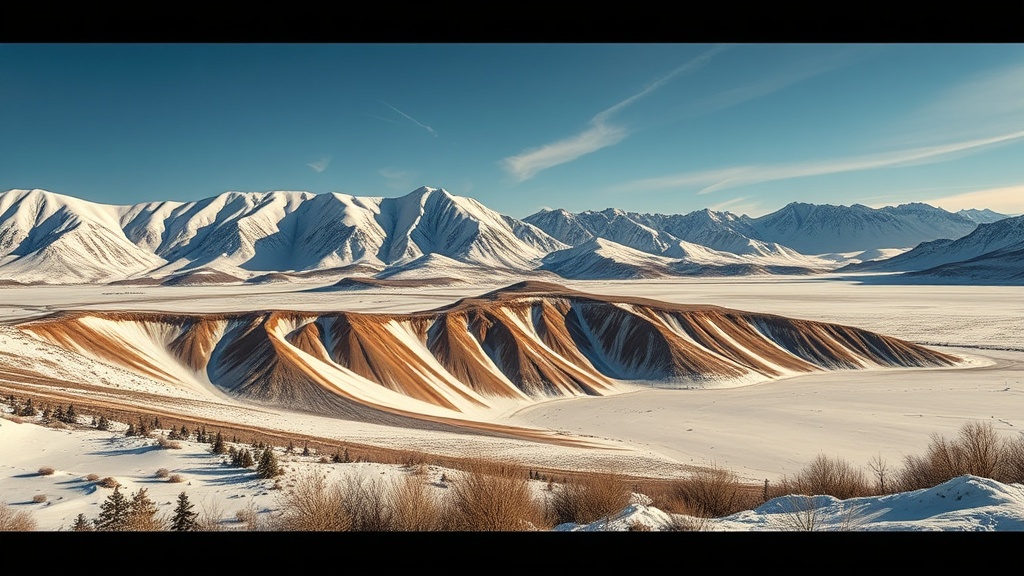
The Great Salt Lake, a vital ecological and economic resource for Utah, is facing unprecedented challenges due to a record low snowpack this winter. Local experts emphasize that conservation efforts will play a crucial role in revitalizing the lake and restoring its health. The dire situation has sparked renewed discussions about water usage, drought management, and long-term sustainability in the region.
Historically, the Great Salt Lake has been a crucial habitat for a diverse array of wildlife, particularly migratory birds. The lake serves as a critical stopover point for millions of birds along the Pacific Flyway, offering food and shelter. However, the ongoing drought conditions and a significant decrease in snowpack have raised alarms among environmentalists and biologists.
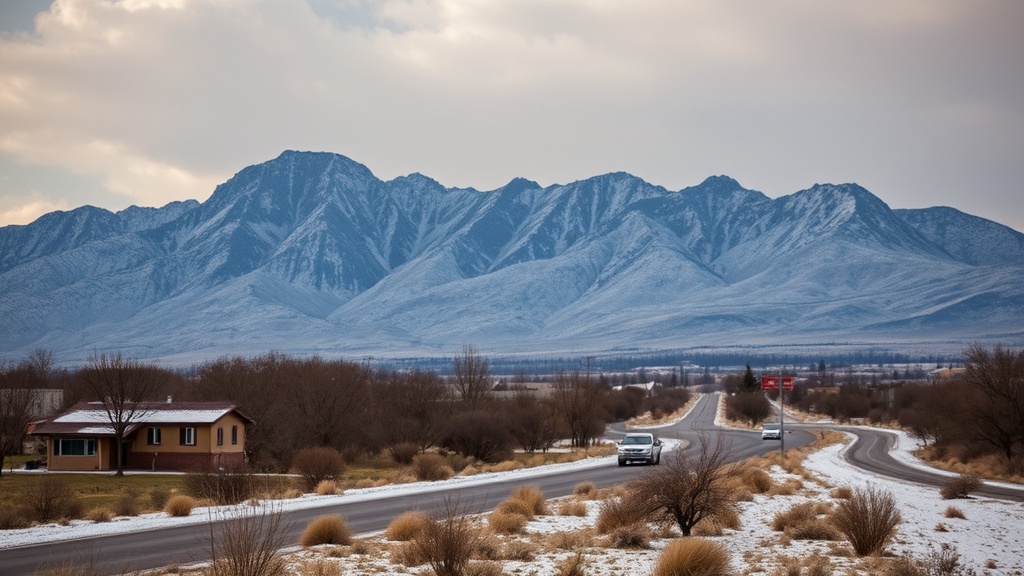
According to the U.S. Department of Agriculture’s Natural Resources Conservation Service, Utah's snowpack levels are currently at alarming lows, with some areas recording snowpack levels as low as 50% of the average. Experts warn that this shortfall could lead to further degradation of the lake's ecosystem. "Without adequate snowpack and precipitation, we risk losing not just the lake but the entire ecosystem that relies on it," cautioned Dr. Jennifer Leavitt, an ecologist with the Utah Division of Wildlife Resources.
The ramifications of low water levels extend beyond environmental concerns. The Great Salt Lake is also a significant economic driver for the region, supporting industries such as tourism, salt production, and mineral extraction. The lake's receding shoreline can lead to economic losses and impact local jobs. According to a report by the Utah Geological Survey, the economic activities associated with the Great Salt Lake contribute approximately $1.3 billion annually to the state’s economy.
In light of these challenges, state officials and conservationists are urging residents to adopt more sustainable water practices. The state has already implemented various conservation initiatives aimed at reducing water usage. Governor Spencer Cox's administration has advocated for water conservation measures, including rebates for homeowners who install water-efficient appliances and landscaping. “Every drop counts, and we need to work together to ensure water is used wisely,” Governor Cox stated at a recent press conference.
Moreover, the Utah Legislature has been evaluating potential legislation that would incentivize water conservation and promote responsible water management practices among both urban and agricultural sectors. Expert panels have gathered to discuss innovative solutions, including advanced irrigation techniques and the use of drought-resistant crops to minimize water consumption in farming.
In addition to legislative measures, grassroots movements are emerging across Utah, with local communities organizing educational campaigns to raise awareness about the importance of conserving water. Organizations such as the Great Salt Lake Audubon Society have launched initiatives aimed at engaging the public and fostering a culture of conservation. “Community involvement is key to making a lasting impact. Together, we can cultivate a sense of responsibility for the lake and its future,” said Emily Johnson, a coordinator for the Audubon Society.
Experts stress that immediate action is necessary to combat the impacts of climate change and water scarcity. As temperatures rise and precipitation patterns shift, the need for comprehensive water management strategies becomes increasingly urgent. Scientists are also advocating for monitoring programs that can track the ecological health of the Great Salt Lake and its surrounding wetlands. “We need to understand how changes in water levels affect not only the lake itself but also the wildlife and the surrounding communities,” said Dr. Leavitt.
Despite the challenges, there are glimmers of hope. Some researchers are exploring innovative methods of artificially augmenting water levels in the Great Salt Lake through managed aquifer recharge, which involves capturing and storing excess water underground during wetter seasons. “This could potentially serve as a buffer for the lake during dry periods,” explained Dr. Mark Miller, a hydrologist at the University of Utah.
As the current winter season progresses, the focus remains on conservation and community involvement to safeguard the future of the Great Salt Lake. The coming months will be critical in determining the lake’s fate, and local leaders are calling for collective action. "We all have a role to play in protecting this invaluable resource," concluded Governor Cox. With a concerted effort from all stakeholders, there is hope that the Great Salt Lake can be preserved for future generations, despite the looming challenges presented by climate change and dwindling snowpack levels.