Conservation Groups Sue BLM Over Controversial Highway Project in Utah
Conservation groups have filed a lawsuit against the BLM over a highway project in Southern Utah, citing environmental concerns and habitat disruption.
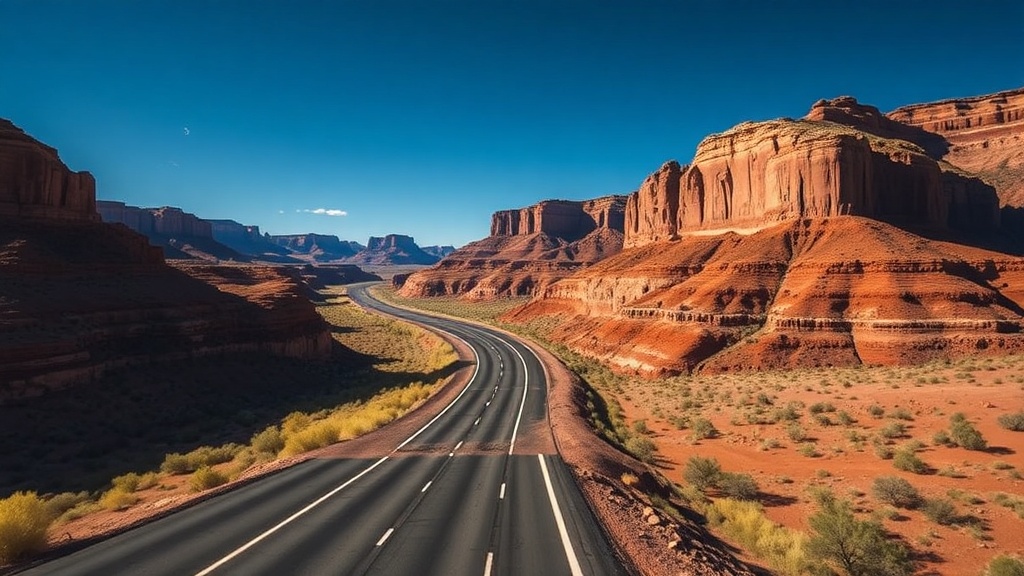
In a significant legal move, multiple conservation organizations have initiated a lawsuit against the Bureau of Land Management (BLM) regarding its recent approval of a contentious highway project in Southern Utah. This lawsuit, filed in the U.S. District Court for the District of Utah, challenges the BLM’s decision to construct a highway through a designated conservation area, raising concerns about environmental degradation and the impact on local wildlife.
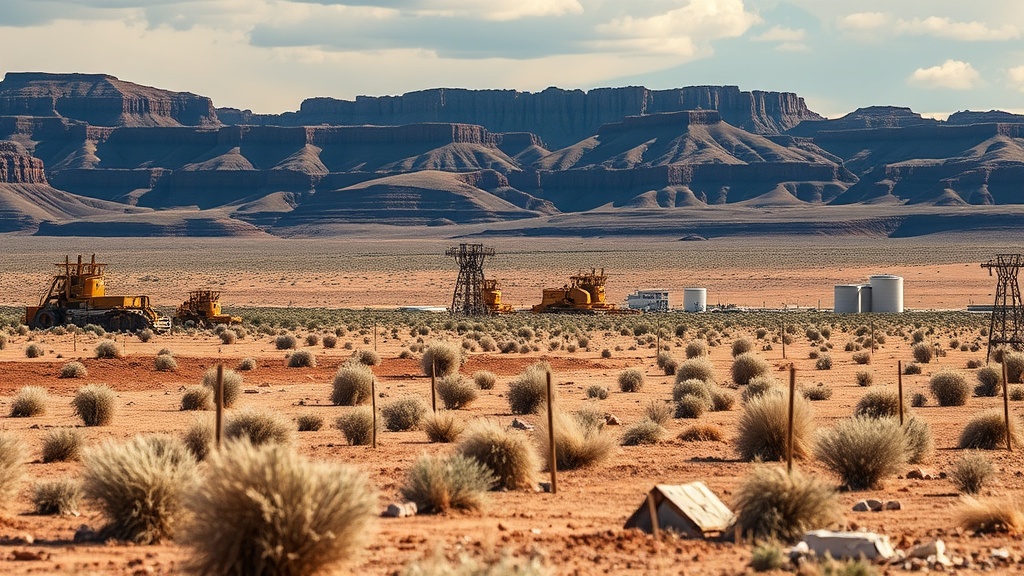
The proposed Northern Corridor project aims to create a new route connecting St. George with the city of Washington, Utah. Proponents of the project argue that it is essential for reducing traffic congestion and facilitating economic growth in the rapidly developing region. However, critics assert that the construction of the highway will encroach on vital ecosystems and disrupt habitats that are home to several endangered species, including the desert tortoise and the California condor.
The groups involved in the lawsuit include the Southern Utah Wilderness Alliance, the Sierra Club, and the Center for Biological Diversity. They claim that the BLM's approval process was flawed and failed to adequately consider the environmental impacts of the highway. According to the plaintiffs, the BLM did not conduct a thorough enough analysis of alternative routes that could mitigate damage to the fragile landscape that characterizes Southern Utah.
"The BLM has a responsibility to protect our public lands and the wildlife that depend on them," said a spokesperson for the Southern Utah Wilderness Alliance. "By prioritizing a highway that threatens these ecosystems, they are failing in their duty to preserve our natural heritage for future generations."
The Northern Corridor project has been a point of contention for several years, with various stakeholders weighing in on the issue. Local government officials and business leaders have championed the project, arguing that improved infrastructure is necessary to accommodate the area's growing population and tourism sector. St. George Mayor Michele Randall has publicly supported the initiative, emphasizing that the highway will provide much-needed relief to current traffic patterns and enhance access to recreational areas.
However, environmental advocates have consistently raised alarms about the potential consequences of the project. They argue that the area surrounding the proposed highway is not only ecologically sensitive but also culturally significant, containing sites that are important to Indigenous communities. The lawsuit highlights the need for a comprehensive environmental impact statement (EIS) that thoroughly examines the potential repercussions of the highway on both the environment and local communities.
In response to the lawsuit, the BLM stated that it stands by its decision, asserting that the agency conducted a rigorous review process before granting approval. The BLM maintains that the Northern Corridor project will include measures to mitigate environmental impacts, such as wildlife crossings and habitat restoration initiatives.
"We believe that the Northern Corridor project will enhance transportation efficiency while also safeguarding important natural resources," said a BLM spokesperson. "The agency is committed to balancing development with conservation efforts."
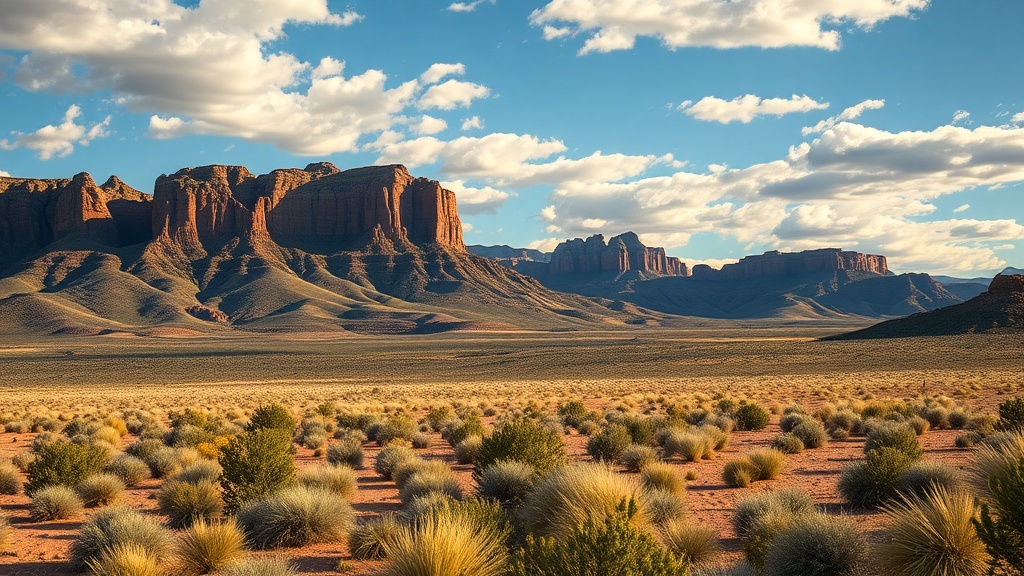
The legal battle over the Northern Corridor is poised to unfold amid broader discussions about land use and conservation in the West. The region has been a focal point for debates over land management, especially as population growth pressures increase. Southern Utah, known for its stunning landscapes and outdoor recreational opportunities, faces ongoing challenges from development projects that threaten its natural beauty and ecological integrity.
As this lawsuit progresses, the implications extend beyond the immediate project. It raises critical questions about how federal agencies prioritize development versus conservation, particularly in areas that are already under pressure from rapid urbanization. Conservation groups are hopeful that the legal action will not only halt the Northern Corridor project but also set a precedent for more stringent evaluations of future infrastructure projects in ecologically sensitive areas.
The case is expected to attract attention from various stakeholders, including environmentalists, local businesses, and government officials. As it develops, it could influence policy decisions and public opinion regarding the balance between economic development and environmental protection. The outcome of this lawsuit may also shape how similar projects are approached in the future, emphasizing the need for a collaborative approach that respects both the needs of local communities and the preservation of vital ecosystems.
In conclusion, the lawsuit against the BLM over the Northern Corridor project reflects a growing tension between development interests and conservation efforts in Southern Utah. As the legal proceedings move forward, the case will likely become a critical test of the federal government’s commitment to protecting public lands and the wildlife that inhabit them. The decision made by the court could reverberate throughout the region, influencing future land management policies and the ongoing conversation about sustainable growth in one of the nation's most beautiful landscapes.