Concerns Rise Over Heber Valley Bypass Project and Its Environmental Impact
The proposed Heber Valley bypass raises environmental concerns, impacting water resources and local ecosystems.
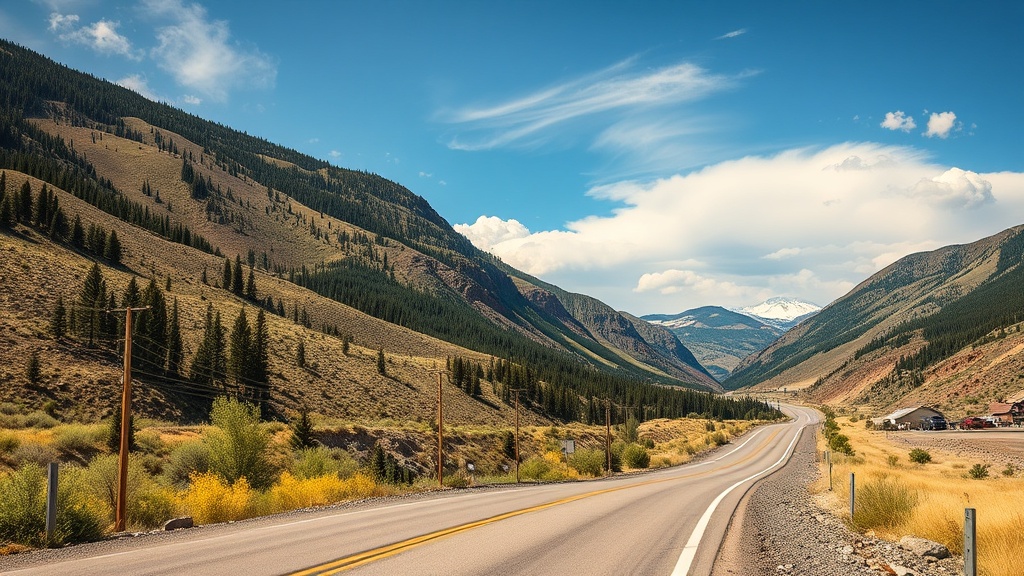
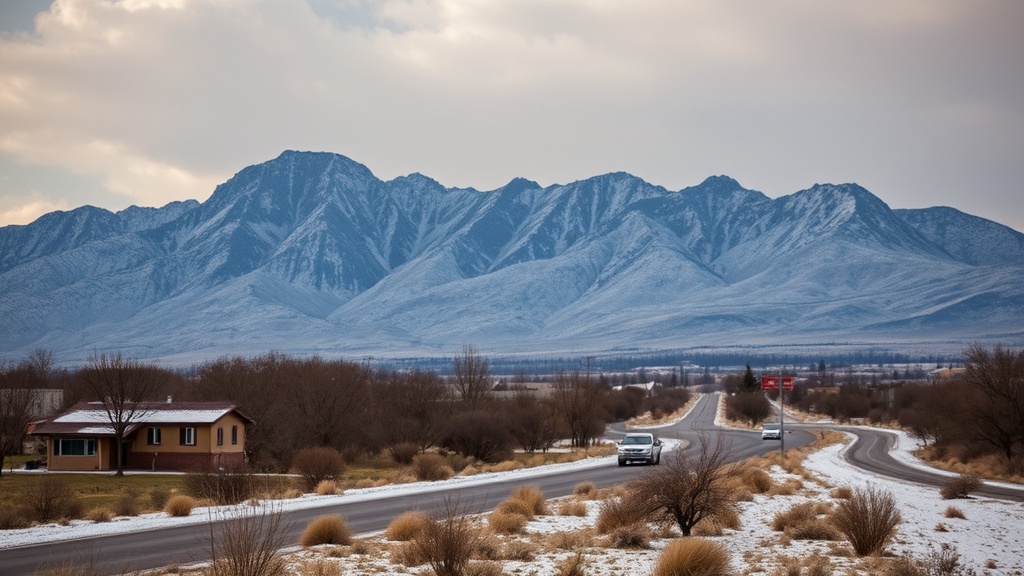
As plans for the proposed Heber Valley bypass gain traction, community members and environmental advocates are voicing serious concerns about the long-term impacts of the project on local ecosystems, water sources, and the overall character of the valley. The bypass, designed as a high-speed corridor through agricultural lands and wetlands, is intended to alleviate traffic congestion. However, critics argue that it may lead to irreversible changes in the landscape and quality of life for residents.
The proposed bypass is designed to accommodate speeds up to 65 miles per hour, cutting through the North Fields area, which is characterized by valuable agricultural land and natural recharge zones. Local residents express alarm that once the speed limit is established at 65 mph, it could easily increase due to what is commonly referred to as "speed creep," where drivers gradually exceed posted limits. Historical data from similar road projects suggest that speed limits often rise, and traffic volumes increase, turning what was initially marketed as a solution to congestion into a busy thoroughfare.
Noise pollution is another significant concern associated with the bypass. Studies indicate that high-speed roads generate substantial noise, primarily from tire-road interaction, which can disrupt the tranquility of rural areas. Unlike the noise from traditional stop-and-go traffic, which dissipates, the continuous sound from high-speed vehicles can travel much farther, affecting neighboring homes and wildlife habitats. Critics point out that noise barriers, often proposed as mitigation measures, may not be effective in agricultural settings, as they can create visual blight and fail to protect wildlife.
Moreover, the introduction of high-speed lighting and signage along the bypass poses a threat to the region's dark skies, a valued natural resource in Heber Valley. The loss of dark skies not only diminishes the aesthetic appeal of the area but also disrupts wildlife migration patterns and affects the sleep quality of residents. This change could lead to increased development pressure along the corridor, further transforming the rural landscape into a more urbanized setting.
Water resources are another critical issue linked to the bypass project. The North Fields area functions as a natural hydrological recharge system, absorbing precipitation and snowmelt that supports local aquifers and waterways. Experts warn that paving over these recharge zones could disrupt the natural water cycle, leading to lower water tables and stressed ecosystems. While promises of engineered recharge systems are often made, they cannot replicate the benefits of natural landscapes, raising fears about the long-term viability of water supplies for both residents and farmers.
The implications of the bypass extend beyond immediate environmental concerns. Farmers face the potential loss of land and irrigation continuity, while residents worry about the security of their water wells. Additionally, downstream communities may experience reduced water flows as a result of altered hydrology, putting further strain on existing water resources.
In light of these challenges, some advocates suggest alternative approaches to managing regional traffic. For instance, strategies such as incentivizing freight movement during off-peak hours could reduce daytime congestion without compromising agricultural land or water resources. By shifting focus from constructing new roads to modifying driving behaviors, communities could achieve better traffic management while preserving the valley's natural assets.
Given the growing opposition to the bypass, stakeholders are urging local authorities to reconsider the project's design and its potential impacts. Many residents believe that the conversation should center on sustainable transportation solutions that prioritize the protection of the environment and the community's rural character.
As discussions continue, the future of the Heber Valley remains uncertain. The community faces a pivotal moment where the choices made regarding the bypass could redefine the landscape, affecting generations to come. In the words of local advocate Mark Allen, the challenge lies in balancing the need for transportation improvements with the preservation of irreplaceable natural resources. As the debate unfolds, it is clear that the stakes are high for both the environment and the residents of Heber Valley.
In conclusion, while the intention behind the Heber Valley bypass may be to alleviate traffic issues, the broader implications for the local environment, water quality, and community character cannot be overlooked. The conversation surrounding the project must shift to encompass not just the immediate benefits of a new road, but the long-term consequences that could reshape the valley’s identity and sustainability for years to come.