Utah Wildlife Experts Enhance Bonneville Cutthroat Trout Populations
Utah wildlife experts have introduced 2,258 Bonneville cutthroat trout into Beus Creek to support self-sustaining populations of this native species.
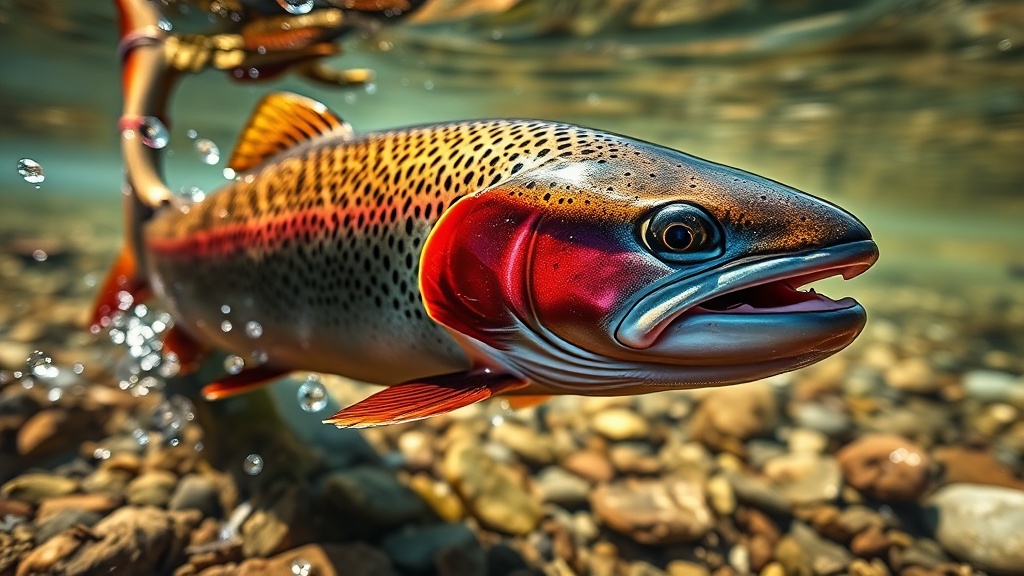
In a significant effort to bolster the populations of Utah's state fish, the Bonneville cutthroat trout, the Utah Division of Wildlife Resources (UDWR) has undertaken an ambitious project in Weber County. Last fall, fisheries biologists successfully planted 2,258 juvenile Bonneville cutthroat trout into Beus Creek, a tributary of the Ogden River. This initiative is part of a broader strategy aimed at establishing wild, self-sustaining populations of this native species, which has faced declines due to habitat loss and environmental changes.
The Bonneville cutthroat trout, scientifically known as Oncorhynchus clarkii utahensis, is a unique subspecies native to the Great Basin, specifically to the waters of Utah, Nevada, and Idaho. Recognized for its vibrant coloration and historical significance, the fish serves not only as a vital component of the local ecosystem but also as a cultural symbol for many Utahns. Unfortunately, over the past century, the species has experienced significant population declines due to factors such as overfishing, habitat degradation, and competition with non-native species. According to fisheries biologists, the goal of the recent trout planting is to enhance genetic diversity and increase the overall resiliency of the population.
"The Bonneville cutthroat trout is an integral part of Utah's aquatic ecosystems," stated UDWR biologist Dr. Jessica Stokes, who is overseeing the project. "By introducing these juvenile fish into Beus Creek, we aim to create a self-sustaining population that can thrive in their natural habitat and contribute to the ecological balance of the area."
The selection of Beus Creek was strategic, as it presents an ideal environment for the trout to grow and reproduce. The creek, characterized by its clean, cold water and abundant food sources, has been monitored for its water quality and habitat conditions. This careful selection process is crucial, as biologists want to ensure that the newly introduced fish will have the best chance of survival and reproduction.
In addition to the planting efforts, the UDWR has implemented a comprehensive monitoring program to assess the success of the project. This includes regular surveys to track the growth and distribution of the introduced trout, as well as monitoring the overall health of the creek’s ecosystem. "We’re not just planting fish and walking away; we need to ensure that these efforts yield positive results for the long term," remarked Dr. Stokes.
The monitoring process will involve both field observations and data collection to evaluate the impact of the introduced trout on the existing ecosystem. This data will help inform future conservation efforts and guide additional planting initiatives in other areas of Utah where the Bonneville cutthroat trout may be at risk.
The initiative is part of a larger conservation strategy by the UDWR, which has recognized the need to protect and restore native fish species across the state. Over the past few years, several successful projects have been launched, including the restoration of river habitats and the removal of invasive species that threaten the survival of native fish populations.
Public engagement plays a pivotal role in these conservation efforts. Community members are encouraged to participate in educational programs, volunteer for habitat restoration projects, and advocate for the protection of local waterways. The UDWR has also partnered with local fishing clubs and organizations to raise awareness about the importance of native fish conservation and responsible fishing practices.
"It’s not just about the fish; it’s about the entire ecosystem and the communities that rely on it," emphasized Dr. Stokes. "By working together, we can ensure that future generations will have the opportunity to enjoy the beauty and diversity of Utah's natural resources."
Looking ahead, the UDWR plans to expand its efforts beyond Beus Creek, with additional projects in other watersheds that historically supported Bonneville cutthroat trout populations. As the agency continues its work, collaboration with local stakeholders will be crucial in addressing the challenges of habitat preservation and species recovery.
In summary, the planting of 2,258 Bonneville cutthroat trout in Beus Creek represents a significant step toward restoring this iconic species in Utah. With ongoing monitoring and community involvement, the UDWR hopes to create a sustainable environment where the Bonneville cutthroat trout can thrive, ensuring that this emblematic fish remains a cornerstone of Utah's natural heritage for years to come.