Increasing Valley Haze Expected in Utah Amid Stagnant Weather Conditions
High pressure leads to increased valley haze and fog across Utah, raising air quality concerns. A storm may offer relief soon.
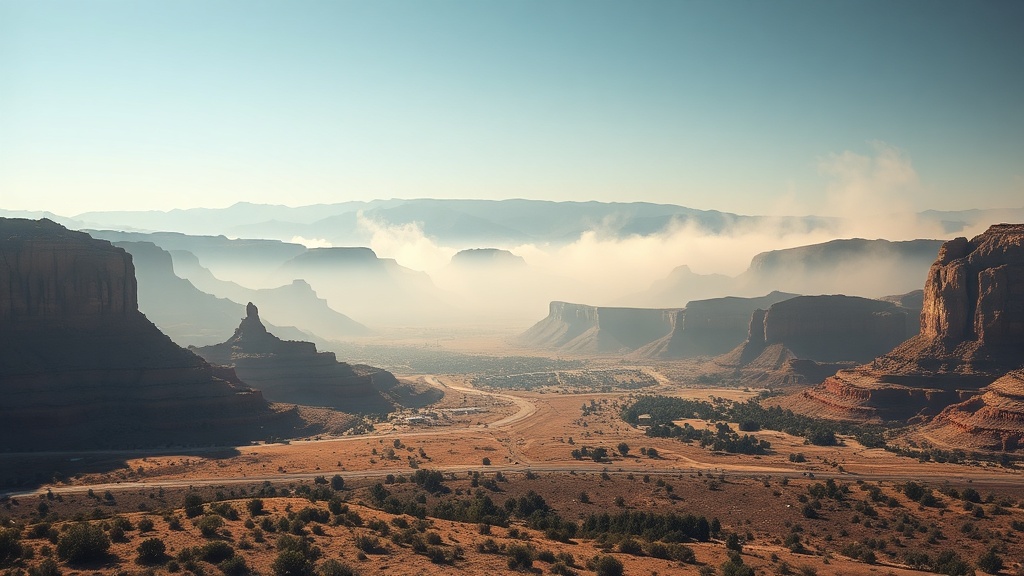
As high pressure settles over the Wasatch Front and surrounding valleys, residents can expect a significant increase in valley haze this weekend. The atmospheric conditions have led to a buildup of moisture close to the ground, resulting in low clouds and stagnant air. With minimal wind and poor atmospheric mixing, these inversion conditions are forecasted to strengthen, trapping pollutants and moisture in the valleys and causing air quality concerns.
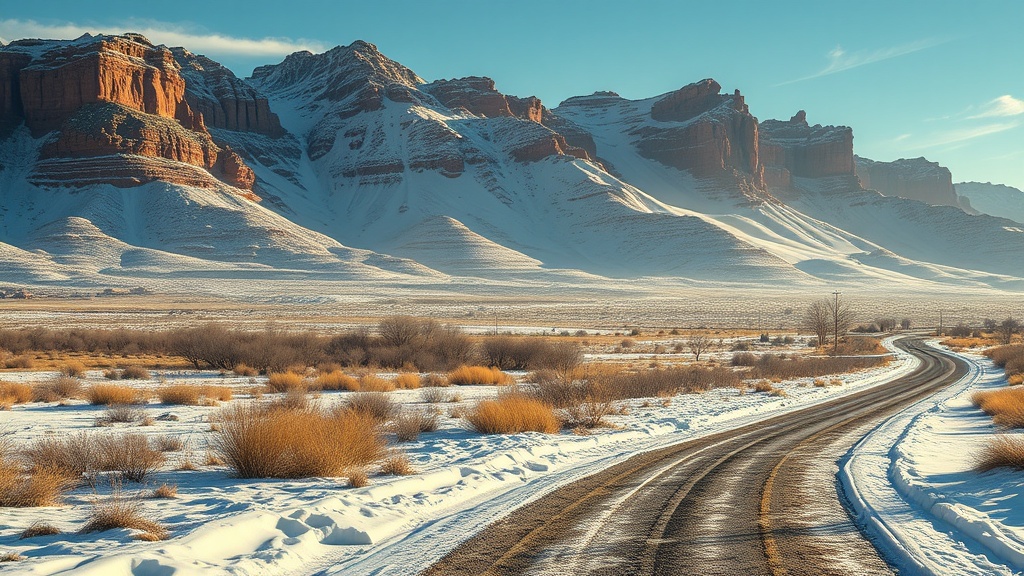
The phenomenon of valley haze, characterized by reduced visibility and a thick blanket of fog, is particularly pronounced in areas with snow cover. Meteorologists have noted that the stagnant air will likely lead to an increased risk of fog and freezing fog, particularly in the early morning hours. This could pose hazards for drivers as visibility may drastically decrease, leading to slick travel conditions on local roads. Residents are advised to exercise caution during their commutes, especially in the valleys where fog may linger longer.
Additionally, local weather experts are keeping a close eye on a developing storm system that is expected to track along the eastern Rockies late Thursday into Friday. This system has the potential to alleviate some of the persistent inversion conditions that have plagued the region. With the anticipated arrival of stronger winds aloft and a northerly flow, there is hope that the atmospheric mixing will help disperse some of the trapped air, improving overall air quality.
The increase in valley haze and associated fog is not just a local weather phenomenon; it is a reminder of the broader environmental implications of stagnant weather patterns. Air quality in the Wasatch Front has long been a concern, particularly during the winter months when temperature inversions trap pollutants close to the ground. According to the Utah Department of Environmental Quality, these conditions can lead to increased levels of particulate matter in the air, which can pose health risks to vulnerable populations, including children, the elderly, and those with pre-existing respiratory conditions.
Historically, the Wasatch Front has experienced similar weather patterns, with temperature inversions forming regularly during the winter months. Local residents have become accustomed to the fluctuations in air quality that accompany these conditions. However, with increasing urbanization and vehicle emissions in the region, the effects of these inversions have become more pronounced. Experts recommend that residents monitor air quality reports and limit outdoor activities during periods of poor air quality to mitigate health risks.
In response to the ongoing weather conditions, local authorities and environmental agencies are urging the public to take proactive measures. Residents are encouraged to stay informed about real-time weather updates through the Utah Weather Authority app, which provides forecasts and alerts tailored to individual locations. Furthermore, those who encounter travel disruptions due to fog and reduced visibility are advised to report any incidents to local traffic authorities to ensure prompt responses to hazardous conditions.
As the weekend approaches, meteorologists will continue to monitor the evolving weather patterns closely. A shift in atmospheric conditions could provide much-needed relief from the stagnant air and valley haze. However, until that change occurs, residents should remain vigilant and prepared for the foggy conditions that are likely to persist.
In conclusion, while the current weather situation may present challenges for daily life in the Wasatch Front, it also offers an opportunity for residents to engage with the local environment and adopt practices that contribute to better air quality. By staying informed and taking necessary precautions, the community can navigate the complexities of winter weather while prioritizing health and safety. As always, the public is encouraged to remain aware of the changing weather landscape and to anticipate further updates from local meteorological services.