Deer Valley Expansion: Excitement and Environmental Concerns
Deer Valley's expansion draws excitement for tourism but raises concerns for local wildlife habitats.
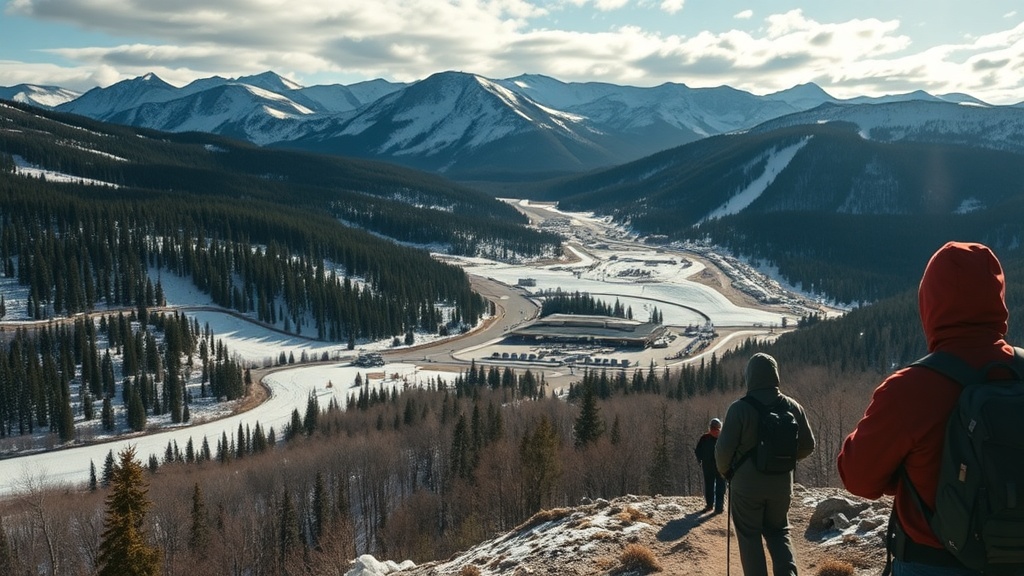
Deer Valley Resort, a premier ski destination nestled in the picturesque Wasatch Range of Utah, is undergoing significant expansion, sparking enthusiasm among winter sports enthusiasts and local businesses alike. The project includes the addition of 1,200 new parking spaces, 800 hotel rooms, and 10 new ski lifts, with plans to increase the total to 17 in the near future. In addition, the resort aims to expand its skiable terrain by 3,700 acres, a move that promises to enhance the skiing experience for visitors. However, this ambitious development raises critical questions about the environmental impact, particularly concerning local wildlife.
The expansion is seen as a boon for the local economy, which heavily relies on tourism, especially in the winter months. Local business owners are optimistic that increased capacity will bring more visitors to the area, potentially translating into greater revenue and job opportunities. "This is a game-changer for our local economy," said Mark Thompson, a local business owner. "More parking and lodging means more tourists, and that helps everyone in Park City."
Despite the anticipated economic benefits, environmental advocates raise alarms about the consequences of such rapid development. The construction and subsequent increased human activity in the area threaten to disrupt the natural habitats of various species, including deer, elk, and moose. As development proceeds, crucial lands that serve as browsing, birthing, and bedding grounds for these animals may be lost.
Wildlife biologists have expressed concerns that this habitat loss could lead to a decline in local wildlife populations. "When you alter a landscape, you change the dynamics of an ecosystem," explained Dr. Emily Carter, a wildlife ecologist. "Deer and elk, for instance, rely on specific areas for their survival needs. If those areas are compromised, it can lead to increased mortality rates and a decline in populations."
In addition to habitat loss, the construction process itself brings about noise, dust, and light pollution, which can further displace wildlife. These disturbances can lead to stress for animals, impacting their feeding patterns and reproductive success. Local conservation groups have begun to mobilize, urging the community and skiers to consider donating to organizations focused on protecting these vital ecosystems. "It's important for skiers and the community to think about the long-term implications of this expansion on wildlife," said Jen Seabury, a Park City resident and advocate for conservation.
Efforts to mitigate the impact of development on wildlife are underway, with some developers exploring options for wildlife corridors and habitat restoration initiatives. However, the effectiveness of these measures remains to be seen. The balance between economic growth and environmental stewardship is a delicate one, and stakeholders are grappling with how best to navigate this challenge.
As Deer Valley continues its expansion, the conversation surrounding its impact on local wildlife will likely intensify. Skiers and tourists are encouraged to engage with the issue, considering how their recreational activities may contribute to the broader ecological picture. Protecting wildlife habitats is not just a local concern; it has implications for biodiversity and the health of the environment as a whole.
In conclusion, while the expansion of Deer Valley Resort promises to bring economic benefits and enhance visitor experiences, it is crucial to remain vigilant about the ecological consequences. The fate of local wildlife hangs in the balance as the community grapples with the need for growth and the responsibility to protect the natural world. As the ski season approaches, the hope is that a shared commitment to conservation will emerge, ensuring that both the economy and the environment can thrive in harmony.