Utah Weather Update: Cooler Temperatures and Inversion Haze Persist This Week
Utah faces cooler temperatures and persistent inversion haze this week, affecting air quality and weather patterns.
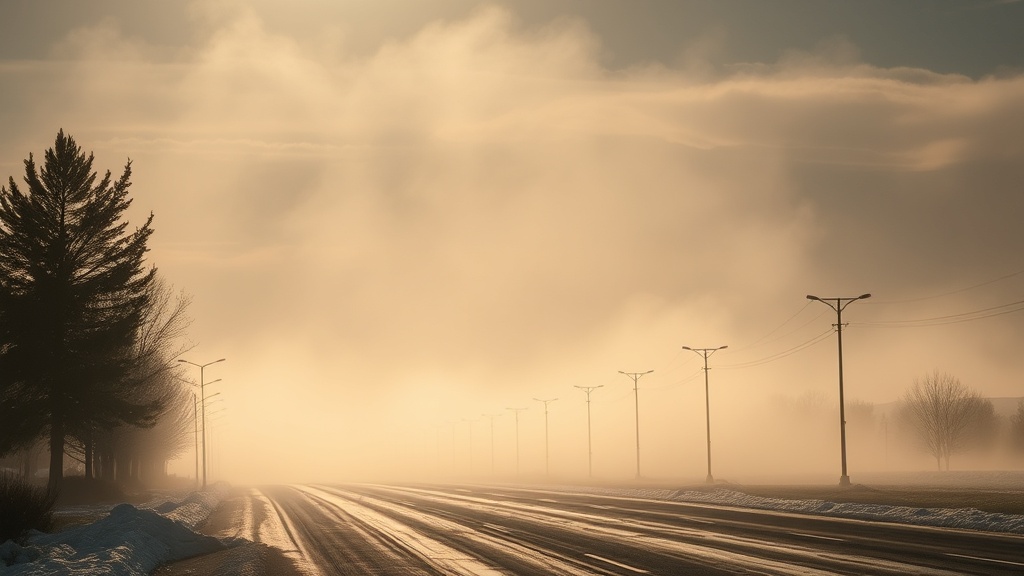
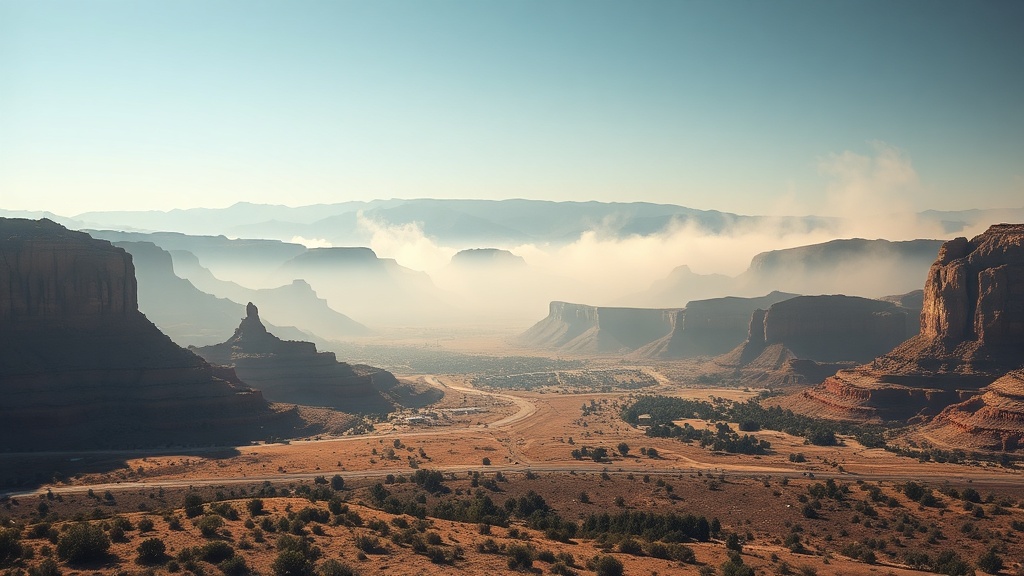
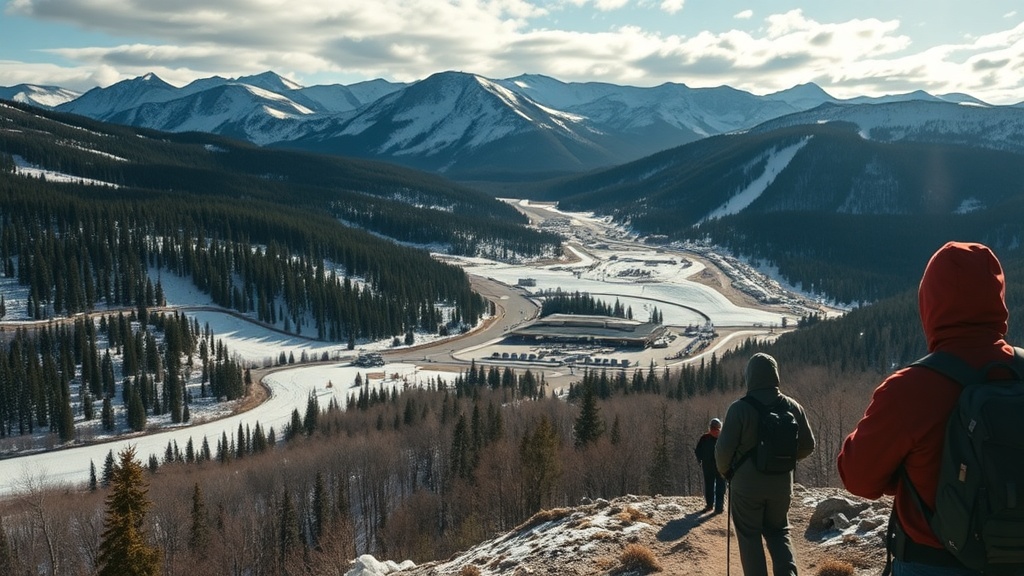
As Utahns prepare for the week ahead, they can expect cooler temperatures and persistent inversion haze, a phenomenon that has become common during the fall and winter months in the region. High pressure is settling over the state, creating calm weather conditions that will dominate the forecast for the next several days. While many may appreciate the tranquil atmosphere, the accompanying inversion haze poses challenges for air quality and visibility, especially in urban areas.
The current weather pattern is indicative of a high-pressure system that has established itself over much of the Intermountain West. This setup often leads to stable air masses that can trap pollutants near the surface. The National Weather Service has noted that these types of inversions are particularly prevalent in the valleys of Utah, where temperatures can vary significantly from the surrounding mountainous areas.
On Sunday, temperatures across the state are expected to remain relatively cool, with highs reaching only the mid-40s to low 50s in many areas. Northern Utah, including cities like Salt Lake City, will likely experience even cooler conditions, as the inversion layer keeps warmer air trapped aloft. This can lead to chilly mornings, where thermometers may dip into the 30s before warming slightly during the day.
Local meteorologist, Sarah Johnson, explained that this weather pattern is not unusual for this time of year. "As we move into the colder months, we often see high pressure systems forming, which can lead to these inversions," she stated. Johnson also emphasized the importance of monitoring air quality during these periods, as the stagnant air can lead to increased levels of particulate matter and other pollutants.
Inversions can significantly affect the quality of air that residents breathe, as emissions from vehicles and industrial activities can accumulate under the stable atmospheric conditions. The Utah Department of Environmental Quality (DEQ) has already issued advisories for several counties, urging residents to limit outdoor activities, particularly for vulnerable populations such as children, the elderly, and those with pre-existing health conditions.
The DEQ has been proactive in its efforts to educate the public about the dangers of poor air quality during inversions. They recommend that residents check daily air quality forecasts and take precautions when levels are elevated. "If you have the option to work or exercise indoors, it's a good idea to do so during these inversions," cautioned DEQ spokesperson, Mark Thompson.
While the inversion haze can be a concern for health, it also affects the natural environment in subtle ways. With the cooler temperatures and lack of precipitation, the state is seeing limited moisture accumulation. This could lead to complications in the coming months, especially as Utah prepares for winter and the potential for snowpack, which is crucial for the state’s water supply.
The Utah Division of Water Resources has conveyed that the state relies heavily on snowmelt from the mountains for its water needs, and any delay in significant snowfall could lead to drought conditions in the spring. "Every inch of snowpack is vital for our reservoirs and overall water supply," said water resource analyst, Linda Martinez.
As the week progresses, weather patterns are expected to remain stable, with little change in the forecast. Highs will likely hover in the same range, and overnight lows will continue to dip, reinforcing the inversion conditions. However, meteorologists are keeping a close watch on potential changes that could bring relief from the haze.
Looking ahead, some models suggest that a shift in weather patterns may occur toward the end of the week, potentially bringing a weak storm system that could disrupt the inversion and allow cleaner air to circulate. This would be a welcome change for many residents who have been affected by the hazy conditions.
In the meantime, Utahns are encouraged to stay informed about air quality, especially as they plan outdoor activities. With the combination of cooler temperatures and inversion haze, strategies for maintaining health and comfort during this weather are essential. As always, staying connected with local weather updates will be crucial for navigating these conditions as the week unfolds.
In conclusion, as Utah transitions into the new week, residents should prepare for the continuation of cooler temperatures and the inevitable effects of inversion haze. While the calm weather may provide a sense of stillness, the implications for air quality and environmental conditions are significant and warrant attention. With air quality advisories in effect and a watchful eye on potential weather changes, the community must remain vigilant to ensure health and safety during this time of year.