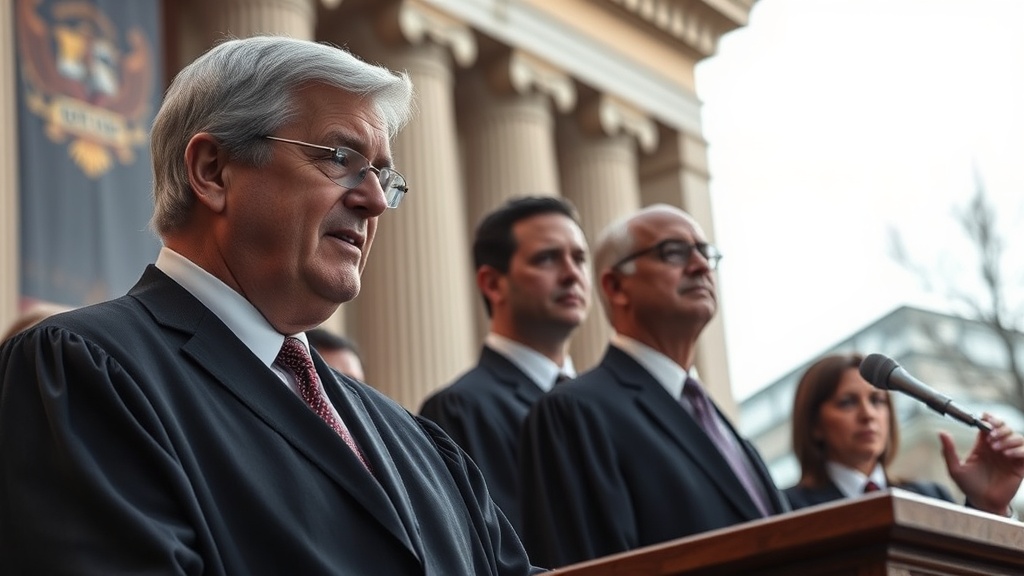
Utah Supreme Court Expands to Seven Justices Amid Legal Challenges
Utah's legislature expands the Supreme Court from five to seven justices, addressing frustrations over recent legal defeats and increasing caseloads.
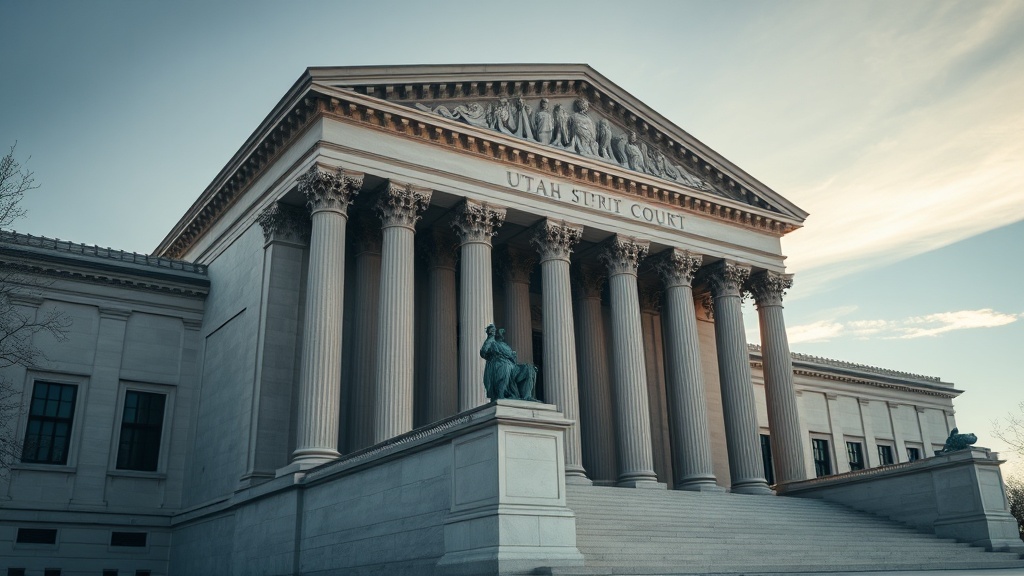
In a significant shift in the judicial landscape of Utah, the state legislature has passed a bill to expand the Utah Supreme Court from five to seven justices. This decision comes on the heels of ongoing frustrations among lawmakers who have faced a series of legal defeats in recent years. The move, which marks the first expansion of the court since its establishment in 1896, is seen as an effort to strengthen the judiciary while addressing what some legislators perceive as a growing disconnect between legislative intent and judicial interpretation.
The bill, which garnered bipartisan support in both chambers of the legislature, was signed into law by Governor Spencer Cox shortly after its passage. This expansion is expected to enhance the court's capacity to handle an increasing caseload, as well as to provide more diverse perspectives on legal issues facing Utah residents. According to the latest statistics, the Utah Supreme Court has seen a 25% increase in cases over the past five years, which has strained the ability of the current justices to address each matter thoroughly.
Senate President Stuart Adams, a proponent of the bill, stated, "This expansion allows us to bring more voices to the table, ensuring that our judicial system can effectively reflect the complexities of our modern society. We want to make sure that every case receives the attention and scrutiny it deserves."
The move to expand the court was, in part, prompted by a series of high-profile rulings that have left many lawmakers frustrated. For instance, recent decisions regarding redistricting and election laws have raised concerns among legislators about the judiciary’s role in shaping state policy. Critics of the court have argued that certain rulings overstepped judicial boundaries, prompting calls for a reevaluation of how justices are appointed and the impact of their decisions on legislative priorities.
With the addition of two new justices, the court will now feature a broader array of judicial philosophies and experiences. This diversity could potentially lead to different interpretations of the law, which some lawmakers believe is essential for maintaining a balanced and fair judicial process. The selection process for these new justices is expected to begin immediately, with candidates likely to be drawn from a pool of experienced judges and legal professionals across the state.
As the Utah Supreme Court prepares for this transition, legal experts are weighing in on the implications of this expansion. Professor Emily Harris, a legal scholar at the University of Utah, remarked, "While expanding the court may help alleviate case backlog, it also raises questions about judicial independence. The legislature's motivations must be carefully scrutinized to ensure that this change does not undermine the impartiality of our courts."
In response to public concerns about potential political influences, legislative leaders have assured constituents that the selection of the new justices will be conducted transparently. The process will include public hearings and opportunities for community input, aiming to foster trust in the judiciary as it adapts to this new structure.
The expansion is also expected to have far-reaching consequences for the legal community in Utah. Many attorneys are anticipating changes in how cases are argued and decided, particularly in areas such as constitutional law and civil rights, which have seen contentious rulings in the past. Local bar associations are already preparing to adapt their training programs to better equip attorneys for the evolving judicial landscape.
Looking ahead, the implications of this legislative action will unfold in the coming months as the new justices are appointed and begin their work. The expansion of the Utah Supreme Court could serve as a precedent for other states facing similar challenges in their judicial systems. As legal battles continue to emerge, the effectiveness and integrity of the court will be under close scrutiny, making this an important moment in Utah's legal history.
In conclusion, the expansion of the Utah Supreme Court represents a response to both practical needs and political frustrations. It highlights the ongoing tension between legislative intent and judicial interpretation, a dynamic that is likely to shape the future of governance in Utah. As the state moves forward with this significant change, all eyes will be on the new justices and their impact on the legal landscape of Utah for years to come.