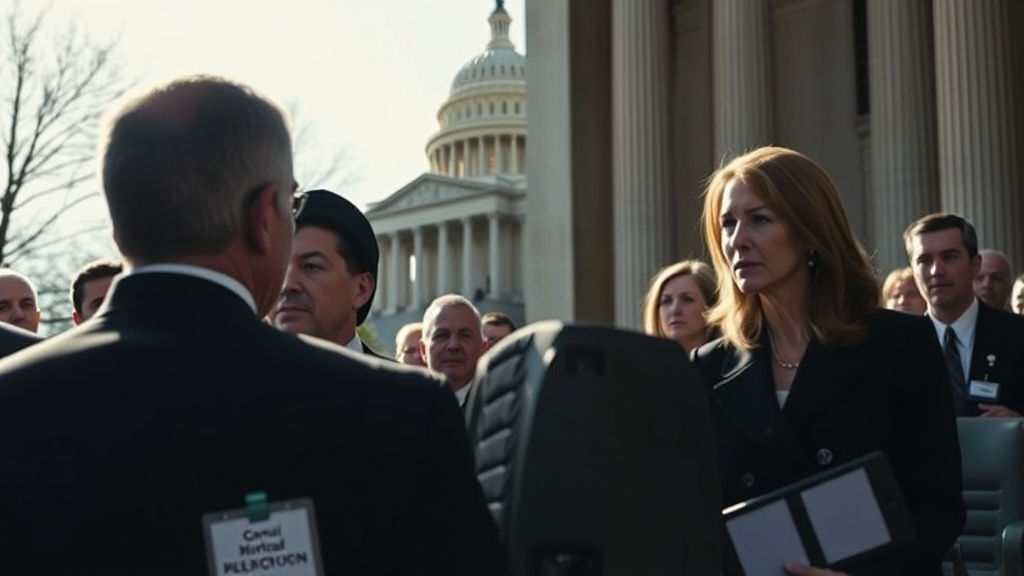
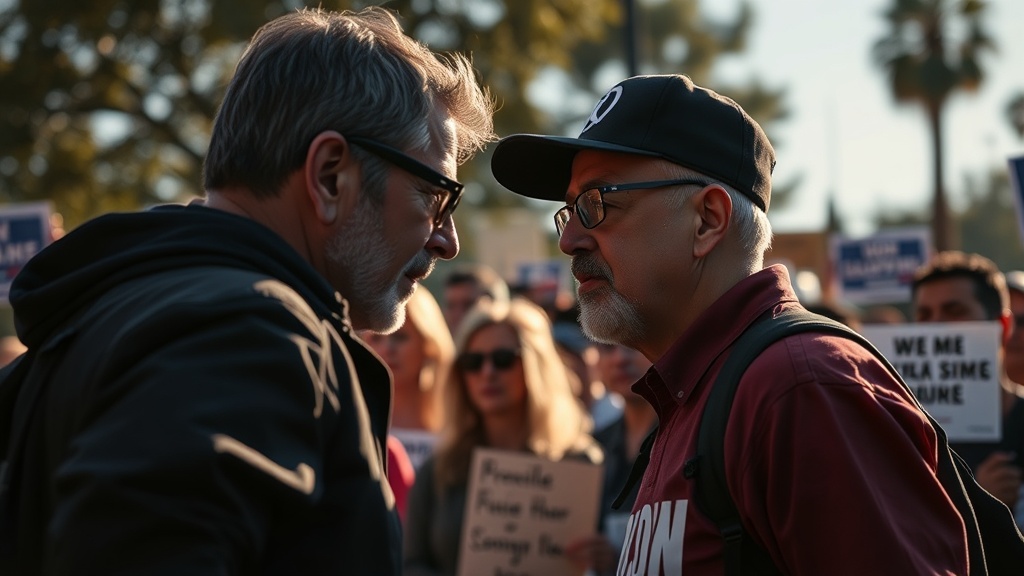
Sen. Mike Lee's SAVE Act Gains Support with New Photo ID Requirements
Senator Mike Lee's SAVE Act, gaining bipartisan support, imposes strict photo ID requirements to enhance election security.
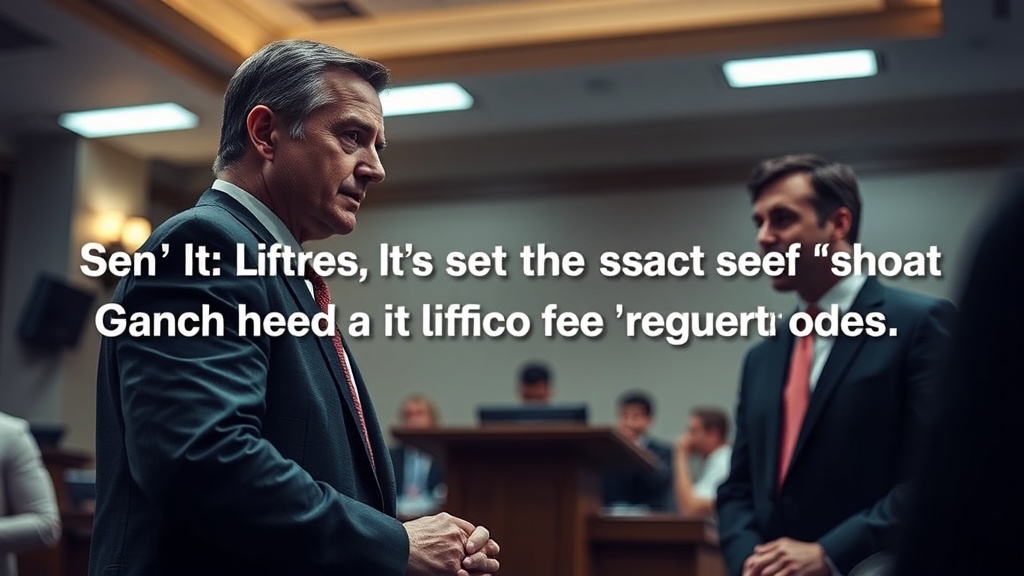
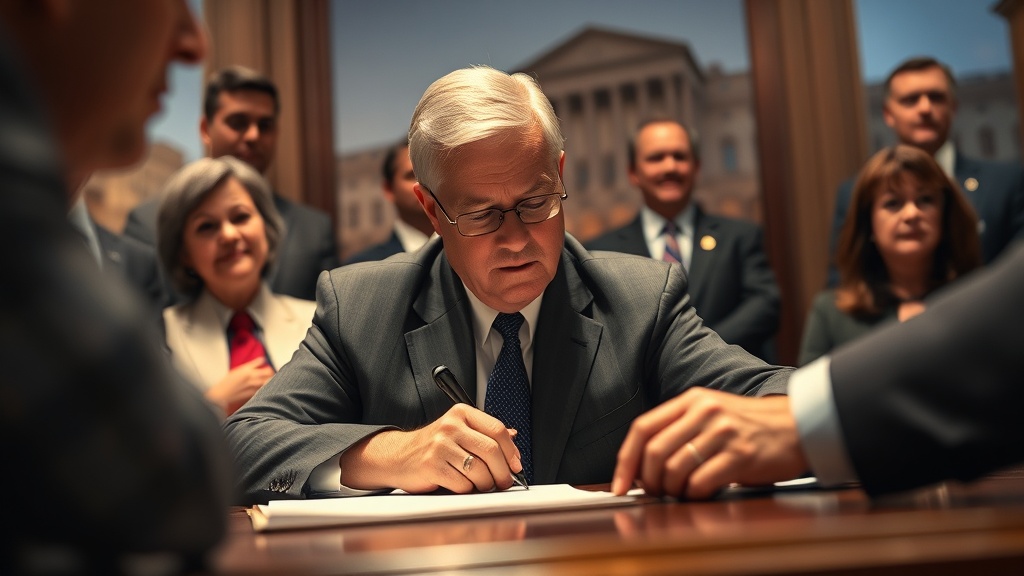
In a significant development in the realm of election security, Senator Mike Lee, a Republican from Utah, has introduced stricter requirements to his proposed legislation, the SAVE Act, aimed at preventing noncitizens from voting in federal elections. This move comes as nearly every Republican senator has expressed their support by signing on as co-sponsors of the bill, marking a notable shift in the party's unified stance on election integrity issues.
The SAVE Act, or the Secure America's Vote Easily Act, was initially introduced in response to growing concerns about election security and the potential for voter fraud. The legislation seeks to establish a framework that not only bans noncitizens from participating in federal elections but also implements stringent measures to verify the identity of voters. One of the most significant aspects of the bill is the introduction of mandatory photo identification requirements for all voters, a measure that proponents argue will enhance the integrity of the electoral process.
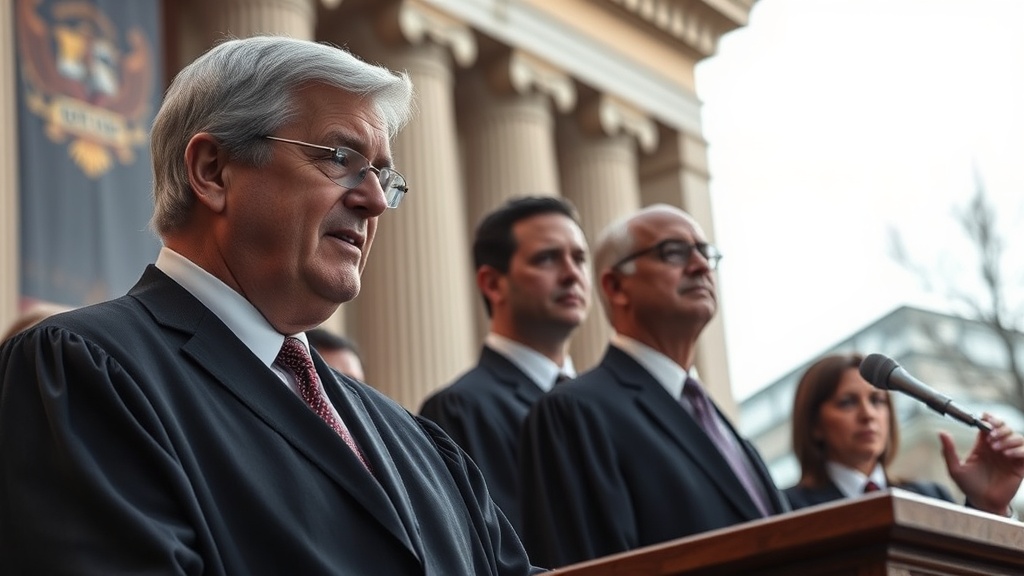
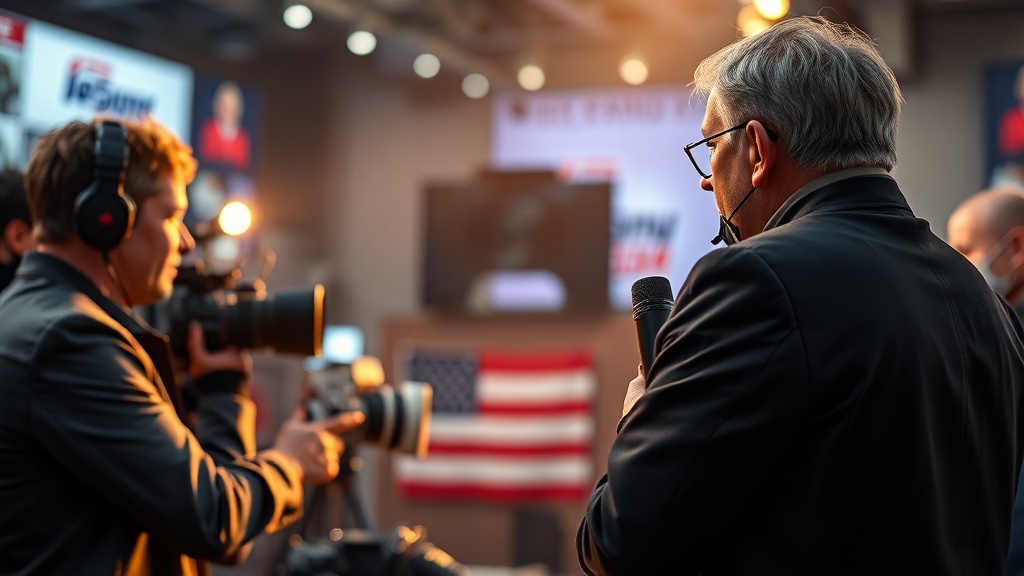
"This legislation is about ensuring that every vote cast in our elections is legitimate and that only eligible citizens have a voice in our democracy," Senator Lee stated in a press conference announcing the updates to the bill. He emphasized that the photo ID requirement is a crucial step in safeguarding the electoral process. The senator's comments reflect a broader Republican narrative that emphasizes the need for stricter election laws in the wake of the contentious 2020 presidential election, which saw widespread claims of voter fraud, despite numerous investigations that found little evidence to support these allegations.
The proposal has garnered support not only from the Senate but also from various voter advocacy groups that align with Republican principles. Co-sponsors of the bill include prominent figures such as Senate Minority Leader Mitch McConnell and Senators Lindsey Graham and Ted Cruz. Their backing underscores a growing consensus within the Republican Party that prioritizes the integrity of elections and the necessity of measures perceived as protective against fraud.
However, the SAVE Act has also drawn criticism from Democrats and civil rights organizations, who argue that such measures disproportionately affect minority voters and those from lower socioeconomic backgrounds. Opponents contend that the requirement for photo identification can act as a barrier to voting for eligible citizens who may not have access to the necessary identification. "We believe that every eligible voter should be able to participate in our democracy without unnecessary hurdles," said a spokesperson for the Democratic National Committee. "This bill risks disenfranchising thousands of Americans who are legally entitled to vote."
As the bill progresses through Congress, it is poised to become a major point of contention in the ongoing debate over election laws in the United States. Supporters of the SAVE Act argue that it will restore public confidence in the electoral process, while detractors warn of the repercussions it may have on voter turnout and democratic participation.
In addition to the photo ID requirements, the SAVE Act outlines a series of other provisions aimed at enhancing election security. These include measures to improve the accessibility and security of voting systems and increased funding for state election officials to implement these changes effectively. The comprehensive nature of the bill reflects a proactive approach by its supporters to address various facets of election integrity.
As the legislative process unfolds, the implications of the SAVE Act extend beyond mere procedural changes; they intersect with broader societal issues regarding access to voting and the ongoing struggle for civil rights. The dialogue surrounding the bill is likely to intensify, especially as the 2024 election cycle approaches and both parties mobilize their bases around the critical issue of voting rights.
In conclusion, Senator Mike Lee's SAVE Act is gaining notable traction in Congress, bolstered by the support of virtually all Republican senators and the introduction of new photo ID requirements. While the legislation aims to address concerns about election security and the integrity of the voting process, it also raises pertinent questions about accessibility and fairness in elections. As lawmakers prepare for an anticipated debate, the outcome of this legislation may significantly shape the landscape of voting rights in the United States for years to come.