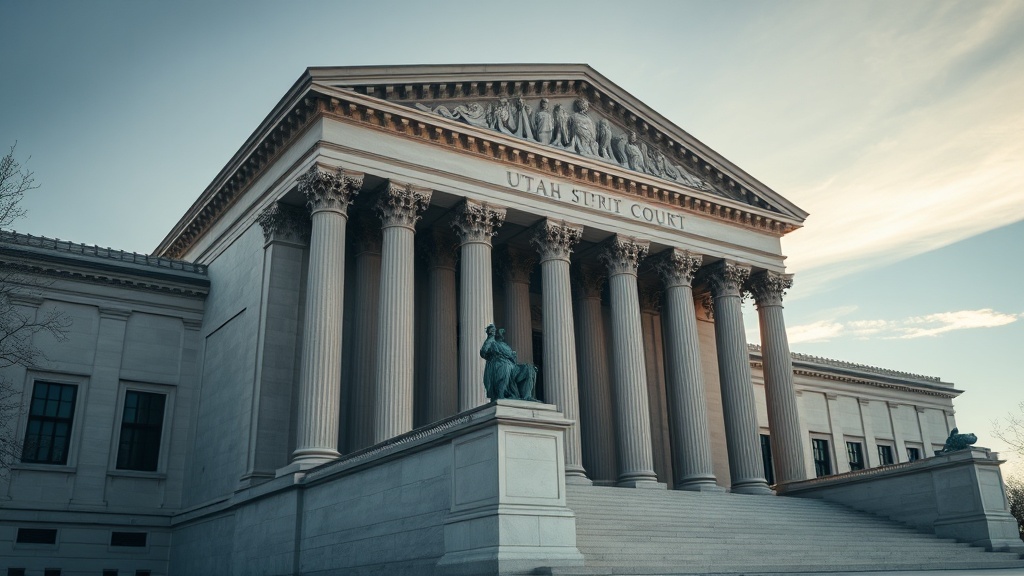
Utah Governor Signs Key Bills, Expanding Supreme Court and More
Governor Spencer Cox signs ten significant bills, including one to expand Utah's Supreme Court, addressing key state challenges.
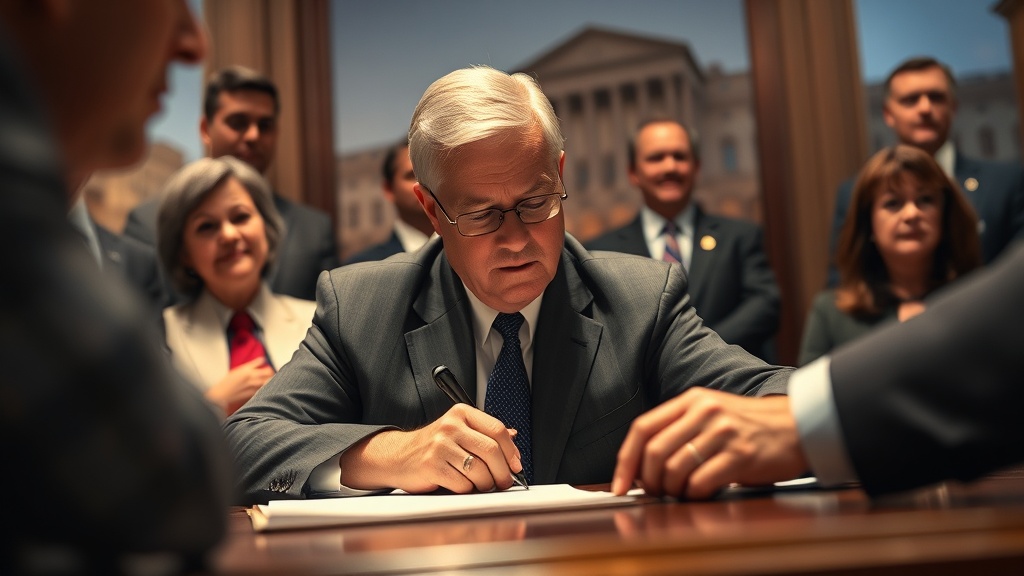
In a significant move for Utah's judicial landscape, Governor Spencer Cox signed the first ten bills of the 2026 General Legislative Session on Saturday, marking a pivotal moment for state governance. Among the notable legislation is a groundbreaking bill aimed at expanding the Utah Supreme Court, a decision that officials say will enhance judicial efficiency in the growing state. This session's bills reflect a variety of priorities, including improvements to infrastructure, education funding, and public health initiatives, demonstrating a comprehensive approach to addressing the needs of Utah residents.
The Supreme Court expansion bill, which has garnered bipartisan support, proposes to increase the number of justices from five to seven. Governor Cox, during a signing ceremony held at the state capitol, emphasized the importance of this change, stating, "As Utah continues to grow, so does the need for a more robust judicial system that can handle the increasing caseloads effectively. This expansion is not just about numbers; it's about ensuring that every Utahn has timely access to justice."
The bill is expected to ease the burden on the current justices, who have experienced unprecedented caseloads in recent years. According to court statistics, the number of cases filed in the Utah Supreme Court has risen by over 30% in the past five years. This trend has led to longer wait times for hearings and decisions, prompting calls from legal experts and community advocates for reform.
In addition to the Supreme Court expansion, Governor Cox also signed a series of bills aimed at enhancing the state’s infrastructure. One notable piece of legislation is the Infrastructure Improvement Act, which allocates $500 million for road and bridge repairs, as well as the expansion of public transportation systems. "Investing in our infrastructure is critical to supporting our growing economy and ensuring the safety of our citizens," Governor Cox remarked during the announcement.
Furthermore, the education sector also saw significant attention, with a bill that increases funding for K-12 education by $150 million. This funding is earmarked for teacher salaries, classroom resources, and mental health support for students. Education advocates have lauded this increase, stating that it represents a crucial step towards providing equitable educational opportunities for all Utahns.
The bills signed by Governor Cox also include health initiatives aimed at improving mental health services across the state. One such initiative is the Mental Health Access Bill, which aims to expand telehealth services for mental health, allowing more Utahns to access care, especially in rural areas where services are limited. This bill reflects a growing recognition of the mental health crisis facing many communities, and the need for comprehensive solutions to address it.
In addition to these key areas, other bills address issues such as affordable housing and environmental sustainability, indicating a holistic approach to governance. The Affordable Housing Initiative, for example, seeks to streamline the permitting process for new housing developments in an effort to combat the state’s housing shortage. This initiative has been met with praise from housing advocates who argue that it is essential for families struggling to find affordable living options in the rapidly growing state.
The signing of these bills comes at a time when Utah faces a myriad of challenges, including a rising population, economic pressures, and the ongoing impact of the COVID-19 pandemic. Governor Cox's proactive legislative agenda reflects an attempt to address these complexities head-on, fostering a stronger, more resilient Utah for the future.
As the 2026 Legislative Session unfolds, eyes will remain on the state capitol, where lawmakers will continue to debate and discuss additional policies aimed at further enhancing the quality of life for all Utah residents. Cox’s administration has indicated that this is just the beginning, with more proposed legislation expected to be introduced in the coming weeks, focusing on issues such as climate change, education reform, and public safety.
In conclusion, the signing of these initial bills marks a significant step forward for Utah as it navigates the challenges of growth and change. By expanding the Supreme Court and investing in essential services, Governor Cox and the legislature are taking proactive measures to ensure that the state remains a great place to live, work, and raise a family. As the session progresses, continued collaboration and dialogue among lawmakers, stakeholders, and citizens will be crucial in shaping the future of Utah's policies and governance.