Clash Erupts Over Prop 4 Repeal Efforts as Volunteers and Signature Gatherers Diverge
Volunteers and GOP-paid signature gatherers clashed over Proposition 4, highlighting deep divisions in Utah's immigration policy debate.
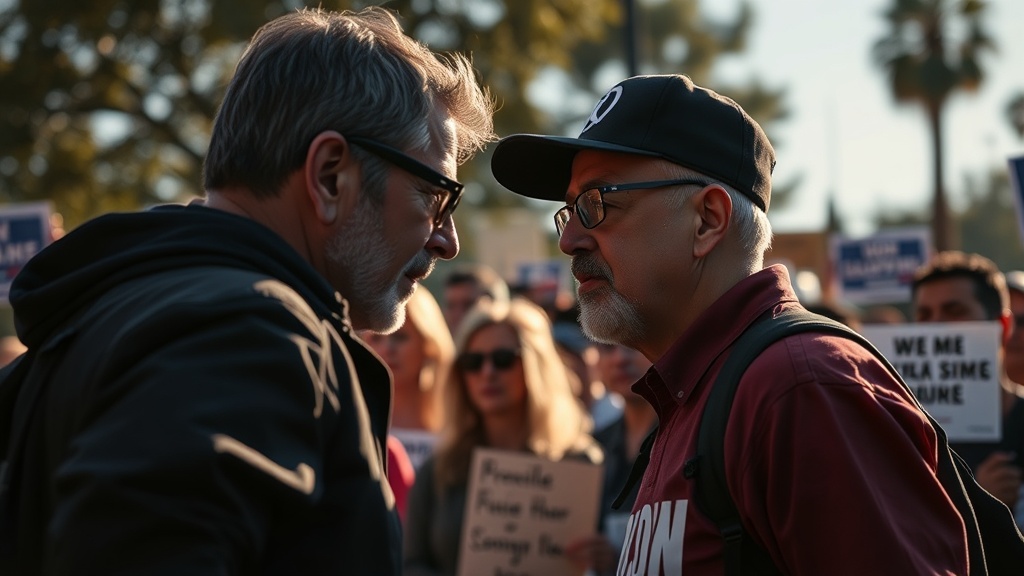
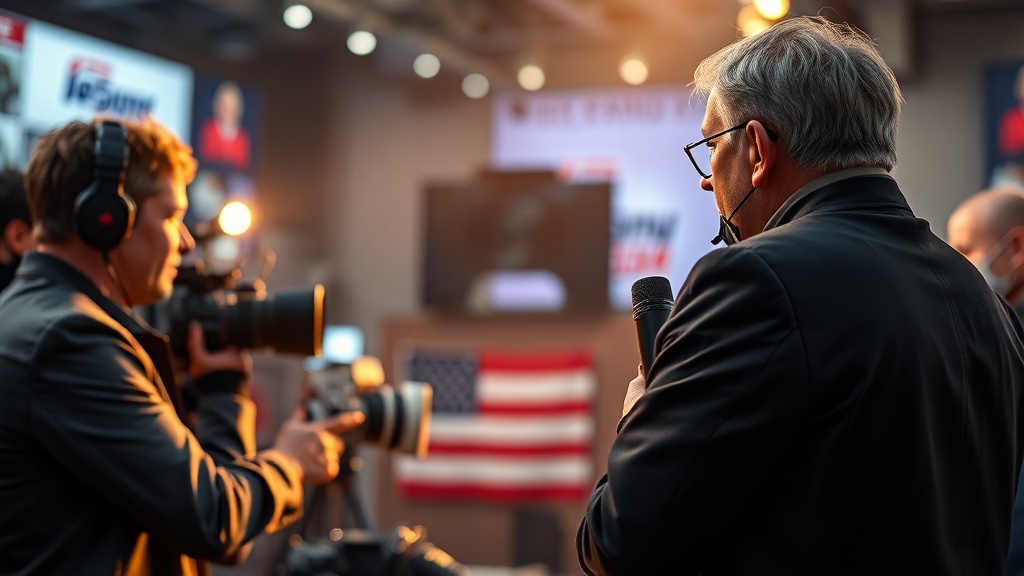
In a heated exchange that underscored the growing tensions surrounding immigration policy in Utah, local volunteers and GOP-paid signature gatherers clashed at a Smith's gas station near 9th and 9th in Salt Lake City on Saturday. The confrontation arose as volunteers sought to gather support for a petition aimed at repealing Proposition 4, a measure that would prevent U.S. Immigration and Customs Enforcement (ICE) agents from operating in the state without prior judicial approval.
Latisha Afraid of Hawk, a local activist, was filling her car with gas when she was approached by a man collecting signatures for the repeal effort. "We don't want ICE in our community. We want to protect our families and ensure that nobody has to live in fear of deportation," Afraid of Hawk stated, emphasizing the importance of community safety and trust.
The petition was part of a broader initiative by local advocacy groups who argue that the presence of ICE agents in Utah not only instills fear among residents but also disrupts the community's relationship with law enforcement. According to a report by the American Civil Liberties Union (ACLU), the fear of deportation can deter individuals from reporting crimes or seeking assistance from police, ultimately undermining public safety.
On the opposite side of the gas station, GOP-affiliated signature gatherers, funded by the party, were aggressively seeking support for the repeal of Proposition 4. These paid gatherers, many of whom were trained in persuasive techniques to secure signatures, argued that the repeal would restore order and regulation concerning immigration enforcement. "We need to uphold the law and ensure that those who are in the country illegally face the consequences of their actions," one of the gatherers said, expressing a sentiment echoed by many within the Republican Party.
The clash escalated as both parties attempted to sway passersby. Volunteers carrying signs reading, “No ICE in Utah,” confronted the signature gatherers, arguing that their efforts would lead to increased fear and distrust within immigrant communities. "This is not just a political issue; it's a human issue. Families are being torn apart, and we need to stand against this," said volunteer Maria Gonzalez, who has worked extensively with immigrant families in the area.
Tensions flared as arguments broke out, with onlookers caught in the middle. Some bystanders voiced their support for the volunteers, while others sided with the signature gatherers. The situation became so charged that local law enforcement was eventually called to the scene to mediate the conflict and ensure that both groups could operate without further escalation.
The debate over Proposition 4 is emblematic of a larger national conversation surrounding immigration policy. In Utah, where a significant portion of the population identifies as Hispanic or Latino, the implications of such policies are particularly pronounced. Community leaders have expressed concern that repealing Proposition 4 could lead to increased deportations and further alienation of immigrant families.
As the deadline for signature collection approaches, both sides are ramping up their efforts. Local advocacy groups have scheduled several events over the next few weeks to mobilize community support and raise awareness about the potential impacts of the repeal. Meanwhile, the GOP is leveraging its resources to ensure that their message resonates with voters who prioritize law and order in their communities.
Political analysts suggest that this clash might be indicative of the broader shifts in Utah's political landscape, where immigration continues to be a polarizing issue. "Utah has historically been seen as a conservative state, but there is a growing demographic that values inclusivity and community support over strict immigration enforcement," said Dr. Emily Sanchez, a political science professor at the University of Utah. "How this plays out in the coming months will be crucial for both parties as they navigate these complex dynamics."
As the conflict between volunteers and signature gatherers unfolded, it became clear that the implications of Proposition 4 extend far beyond the immediate debate at the gas station. The outcome of this repeal effort will likely influence future discussions on immigration policy in Utah, potentially shaping the state's political landscape for years to come. With both sides committed and mobilized, the coming weeks promise to be critical for the future of immigrant communities in Utah and the broader discourse surrounding immigration enforcement in the United States.