Utah State Board of Education Faces $163 Million Budget Challenge
The Utah State Board of Education is tasked with cutting or reallocating $163 million from its budget, raising concerns about educational quality.
The Utah State Board of Education is currently facing a significant challenge as it works to comply with a recent legislative mandate requiring the reallocation or reduction of $163 million from the state's education budget. This directive, stemming from a broader effort by the Utah Legislature to manage the state's financial resources more effectively, has sparked intense discussions among board members, educators, and stakeholders about the future of educational funding in Utah.
The mandate, introduced during the last legislative session, was passed with the intention of addressing budget shortfalls in other areas of the state’s spending. Education officials were informed that they would need to find ways to cut or redistribute funds without compromising the quality of education provided to students. The Utah State Board of Education, which oversees the distribution of funds to public schools throughout the state, is tasked with implementing this challenging directive while ensuring that the needs of students and teachers remain a priority.
Board members have expressed concern about the potential impact of these cuts on educational programs and services. "Every dollar we cut from the budget can have a direct effect on the classroom experience for our students," said Board Chair, Jennifer Johnson. She emphasized that the board is committed to finding solutions that minimize disruption and maintain educational quality. However, the reality of the situation is daunting, as various programs may face reductions or even eliminations.
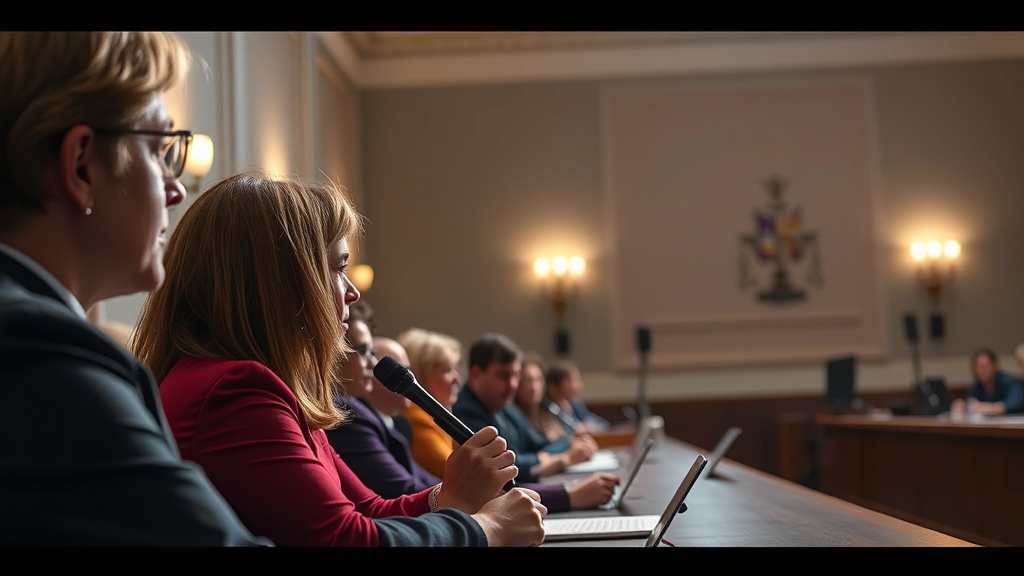
The discussions within the board have revolved around identifying areas of the budget that could be trimmed without sacrificing essential services. Programs that have been highlighted for potential cuts include extracurricular activities, teacher training initiatives, and support services for students with special needs. "We have to make tough decisions, and we need to prioritize our spending to ensure that we are meeting the most critical needs of our students," said Board Member David Lee during a recent meeting.
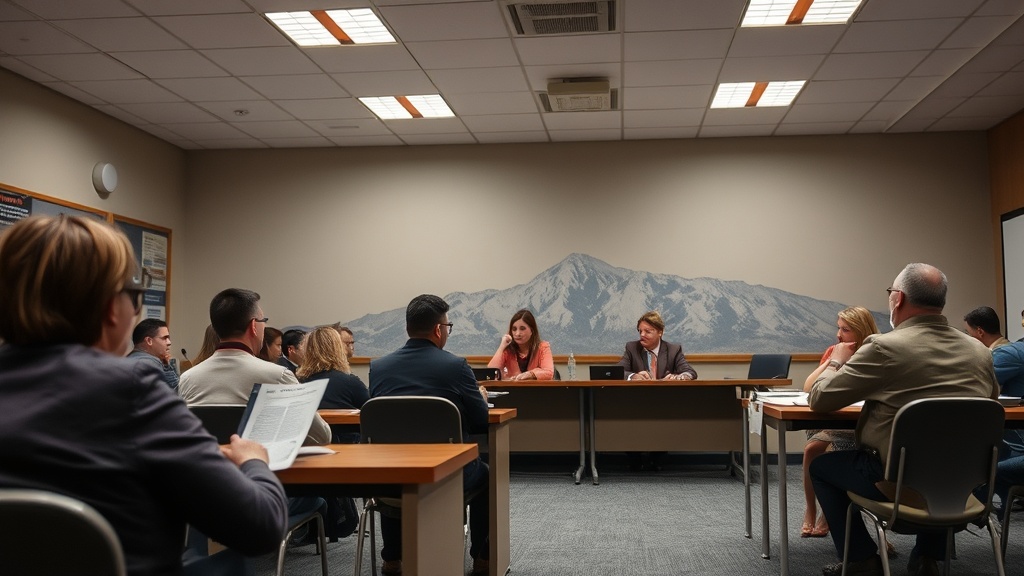
In addition to internal discussions, the board is also seeking input from educators and community stakeholders. Town hall meetings are being organized across the state to gather feedback and suggestions from teachers, parents, and local leaders. "We want to hear from everyone who is impacted by these budget decisions. Their insights are invaluable as we navigate this process," said Superintendent of Public Instruction, Dr. Sydnee Dickson.
The implications of these budget cuts are wide-reaching. Educational experts warn that reductions in funding could exacerbate existing inequities in the education system, particularly in underfunded districts. Schools in low-income areas often rely heavily on state funding to provide basic services. "If we cut funding, we risk widening the gap between affluent and disadvantaged schools, which is something we cannot allow to happen," said Dr. Emily Martinez, an education policy analyst.
Moreover, the timing of these budget cuts is particularly concerning as schools continue to recover from the disruptions caused by the COVID-19 pandemic. Many districts have only recently begun to stabilize and implement programs designed to support students’ academic and emotional needs. Educators worry that further financial strain could reverse the progress made in recent years. "We are just starting to see the light at the end of the tunnel, and any cuts now could set us back significantly," remarked high school principal Mark Thompson.
As the board moves forward, they are considering various strategies to meet the legislative requirements while safeguarding educational quality. Options on the table include reallocating funds from less critical projects, seeking additional grants, and exploring partnerships with private organizations to supplement funding. However, these approaches are not without their challenges. Grant funding can be competitive and uncertain, while partnerships may require compromises that could affect school autonomy.
The board plans to submit its proposed budget adjustments to the Utah Legislature by the upcoming deadline, but the uncertainty surrounding the exact allocations and their ramifications continues to loom large. The potential for backlash from parents and educators is palpable, as many await the results of the board's decisions.
In conclusion, the Utah State Board of Education is at a critical juncture as it grapples with the necessity of cutting or reallocating $163 million from its budget. The decisions made in the coming weeks will have lasting impacts on the quality of education in Utah and the well-being of its students. Board members acknowledge the difficult path ahead but remain committed to finding solutions that prioritize the educational needs of Utah's children while adhering to legislative mandates. As this situation unfolds, stakeholders across the state are left hoping for a resolution that minimizes harm and maintains the integrity of Utah’s educational system.