Utah School Board Faces Tough Decisions Amid 5% Education Budget Cuts
Utah's school board faces potential cuts to critical programs as it grapples with a 5% budget reduction mandated by state lawmakers.
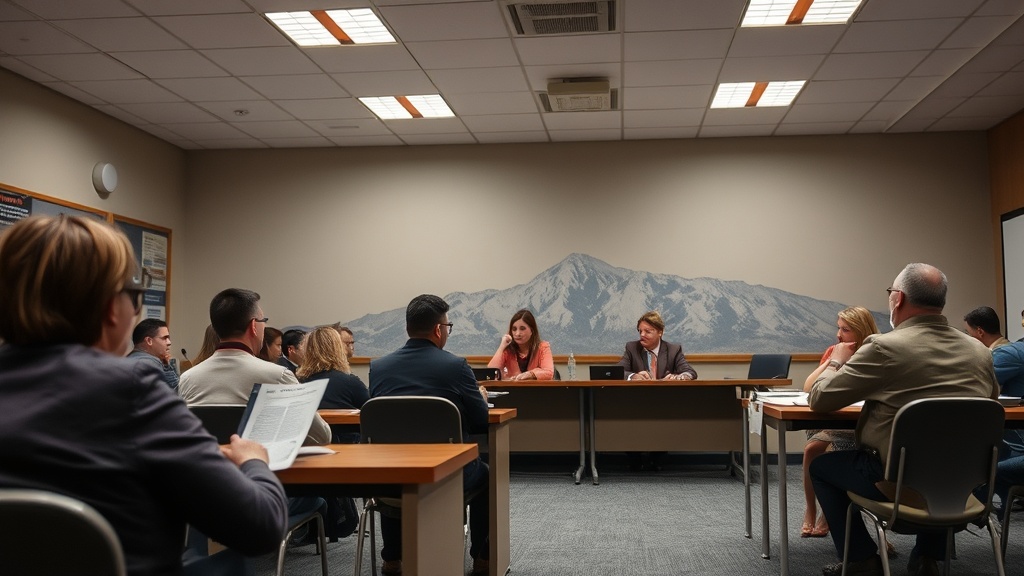
In a challenging fiscal climate, Utah’s education leaders are grappling with the implications of a recent mandate from the Utah Legislature requiring a 5% reduction in the state's education budget. With a projected shortfall of approximately $140 million, state officials are now faced with the daunting task of determining which essential programs and services may be put on the chopping block. The proposed cuts could impact a wide array of initiatives ranging from mental health support services to tuition assistance programs for families opting for school vouchers.
As the school year progresses, educators, administrators, and parents are expressing growing concern about the potential ramifications of these budget cuts. Key programs that have been identified as possible targets for elimination include suicide prevention initiatives, which play a crucial role in supporting the mental health of students across the state. Utah has faced an alarming increase in youth suicide rates over the past decade, making these programs particularly vital for the well-being of students.
"It’s heartbreaking to think that we might have to scale back on programs that we know save lives," said Sarah Johnson, a mental health advocate and parent of two children in the Utah school system. "We’ve worked so hard to build these support systems, and now they’re on the line due to budget constraints."
In addition to mental health programs, funding for school vouchers, which allow families to use public funds for private schooling, is also under scrutiny. The voucher program has been a point of contention in Utah politics, with advocates arguing that it provides essential educational options for low-income families, while opponents claim it siphons crucial funds away from public schools. The potential cuts to this program could significantly affect families who rely on these vouchers to afford private education.
Education officials are also considering reductions to teacher training and professional development programs. These initiatives have been instrumental in ensuring that educators stay current with the latest teaching methodologies and best practices. Experts warn that cutting funding in this area could have long-term consequences on the quality of education that students receive.
State legislators have stressed the need for financial prudence in light of the ongoing economic challenges posed by inflation and changing revenue projections. The state’s overall budgetary constraints have necessitated these cuts, prompting discussions about prioritizing funding for core educational services over discretionary programs. "We need to make difficult decisions to ensure we can provide the most essential services to our students," stated Representative Mark Roberts, a member of the House Education Committee. "Every dollar counts, and we must be strategic in our approach."
The proposed cuts come in the wake of a broader trend affecting educational funding across the nation, as many states are grappling with similar budgetary challenges. The COVID-19 pandemic has exacerbated existing issues, leading to shifts in enrollment patterns and increased demand for mental health resources. Utah's education system, which has historically been underfunded, now faces an uphill battle to maintain progress in various educational initiatives.
Local school boards are currently in the process of reviewing their budgets and assessing the potential impact of these cuts on their respective districts. Many educators are advocating for transparency in the decision-making process, arguing that community input is vital as officials weigh the potential effects of budget reductions.
"Our local communities should have a voice in this process," said Emily Tran, a teacher at a Salt Lake City high school. "We know firsthand what our students need, and we want to ensure that their voices are heard as we navigate these tough decisions."
As the discussions unfold, stakeholders from across the education sector are calling for a more equitable approach to funding that prioritizes the needs of students and educators. Advocates emphasize the importance of investing in education as a means of fostering a brighter future for Utah’s youth, despite the current fiscal challenges.
While the final decisions have yet to be made, the implications of these budget cuts could reverberate throughout the state’s education system for years to come. As Utah’s education leaders continue to deliberate on the best course of action, parents, teachers, and students alike are anxiously awaiting news on which programs will survive the budgetary ax and which will be left behind. The outcome of these decisions will undoubtedly shape the educational landscape in Utah and determine the resources available to support its students in the coming years.