Political Divisions Challenge Civics Education in Utah Amid Expanded Requirements
Political divisions complicate civics education in Utah as teachers express fears about classroom discussions amid new requirements.
SALT LAKE CITY (ABC4) — As Utah implements new requirements for civics education, teachers are increasingly facing challenges stemming from the nation’s deepening political divisions. With heightened scrutiny on classroom discussions and the potential for misinterpretation of teachers’ comments, many educators report feeling uneasy about how to approach civics topics. This growing apprehension could have significant implications for the quality of civic education in the state.
The Utah State Board of Education recently announced expanded civics education requirements aimed at enhancing students’ understanding of government and civic responsibility. This initiative is part of a broader effort to ensure that young people are equipped with the knowledge necessary for informed citizenship. However, as these requirements roll out, teachers find themselves at a crossroads, grappling with the implications of a polarized political climate on their instructional methods.
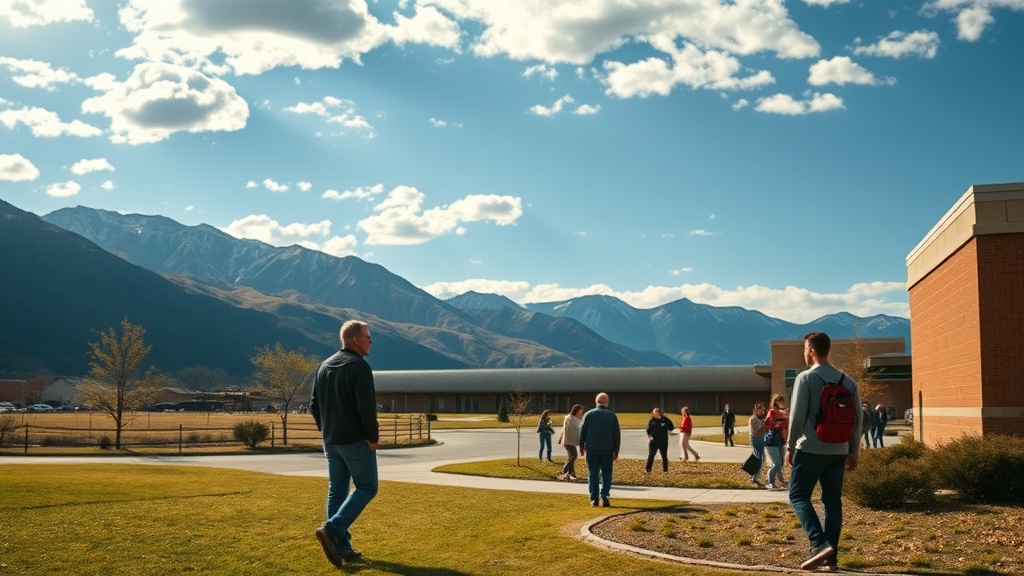
"A lot of teachers are scared to teach. They’re scared that a kid is going to record what they say in class and post it online, which could be misinterpreted or taken out of context," noted a high school social studies teacher from the Salt Lake City area, who requested anonymity due to concerns about retaliation. This fear is not unfounded; incidents of educators facing backlash for their classroom discussions have been reported across the country, leading to a chilling effect on open dialogue in classrooms.
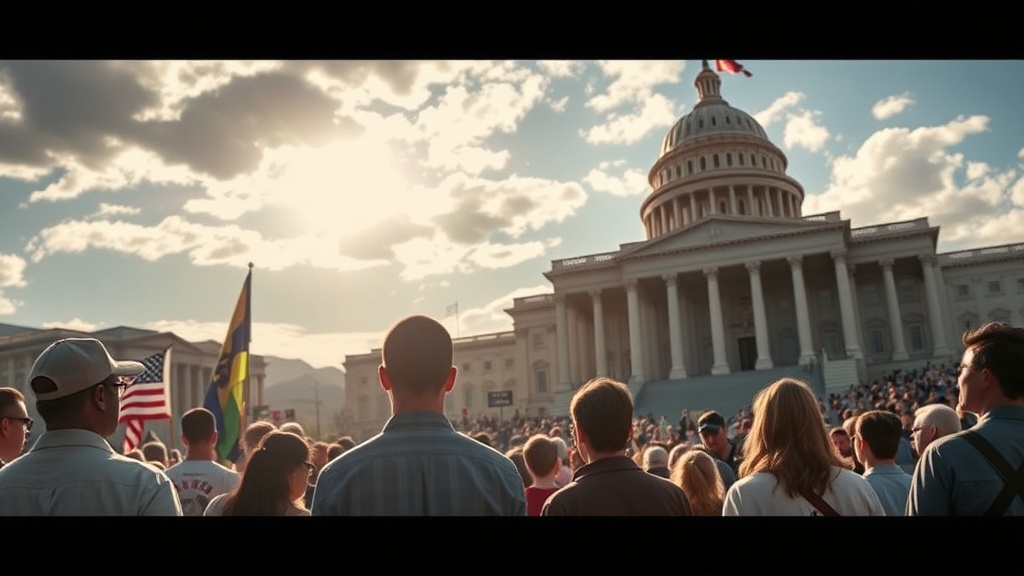
The political climate in the United States has intensified over the past few years, leading to stark divisions among the populace. According to a recent survey by the Pew Research Center, approximately 80% of Americans believe that political divisions have increased in recent years, with many expressing concern about the implications for public discourse. This environment complicates the already intricate task of teaching civics, a subject that inherently involves discussions about differing viewpoints and democratic principles.
Moreover, experts in education and political science stress the importance of teaching civics in a manner that promotes critical thinking and encourages respectful discourse. “Civics education is essential for fostering informed and engaged citizens. However, when teachers feel they cannot present material objectively or discuss controversial topics, it undermines the very purpose of civics education,” explained Dr. Emily Johnson, a professor of education at the University of Utah.
In response to these challenges, some educators are seeking strategies to navigate the complexities of teaching civics. Professional development workshops focusing on how to handle sensitive topics and promote a safe classroom environment are gaining traction. These workshops often emphasize the importance of setting clear guidelines for discussions and creating an atmosphere where students feel comfortable expressing their opinions without fear of judgment.
“One approach that has worked well is establishing a classroom charter that outlines our expectations for respectful dialogue. This helps students understand that while they may disagree, they can still engage in discussions productively,” shared another educator, who teaches middle school civics. This proactive measure aims to mitigate potential conflicts and encourage diverse perspectives among students, fostering an environment conducive to learning.
Despite these efforts, the looming uncertainty over how discussions might be perceived continues to weigh heavily on educators. Many are concerned that the current political environment may not only affect their teaching styles but also have long-term consequences for students' understanding of civic engagement. “If students are not exposed to differing viewpoints, they may struggle to engage in democratic processes as adults,” warned Dr. Johnson, highlighting the risks of a narrow civic education.
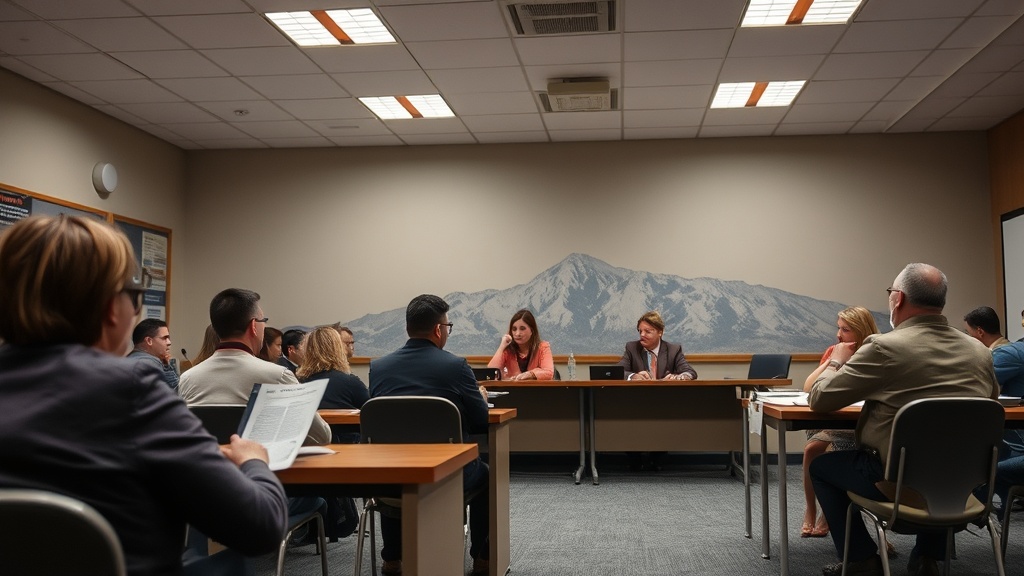
Parents and community members are also becoming increasingly involved in discussions surrounding civics education. Some advocate for a curriculum that includes a wider range of perspectives, while others call for a more conservative approach. This dynamic has led to heated debates at school board meetings and within local communities, reflecting the broader national conversation about education’s role in a democracy.
In light of these challenges, the Utah State Board of Education is exploring ways to support teachers in implementing the new civics education requirements effectively. This may include providing additional resources, creating a repository of best practices, and encouraging collaboration among educators to share successful strategies. The board acknowledges that while the goal is to enhance civics education, it is crucial to consider the current realities teachers face in the classroom.
As Utah navigates the complexities of civics education amid rising political tensions, the stakes are high. The manner in which civic principles are taught today will shape the next generation of leaders and informed citizens. Ensuring that educators feel empowered to engage students in meaningful discussions about their rights and responsibilities is essential for the health of democracy in the state and beyond.
In conclusion, while the expansion of civics education requirements in Utah is a step forward in fostering informed citizenship, the political climate poses significant challenges that educators must navigate. As discussions continue around the best approaches to teaching civics, it is imperative to prioritize an educational environment that promotes open dialogue, respect, and critical thinking among students, ensuring they are prepared to participate fully in the democratic process.