Tongan Students at BYU-Hawaii Face Uncertainty Amid Travel Ban
Tongan students at BYU-Hawaii face uncertainty due to travel bans, impacting their studies and emotional well-being.
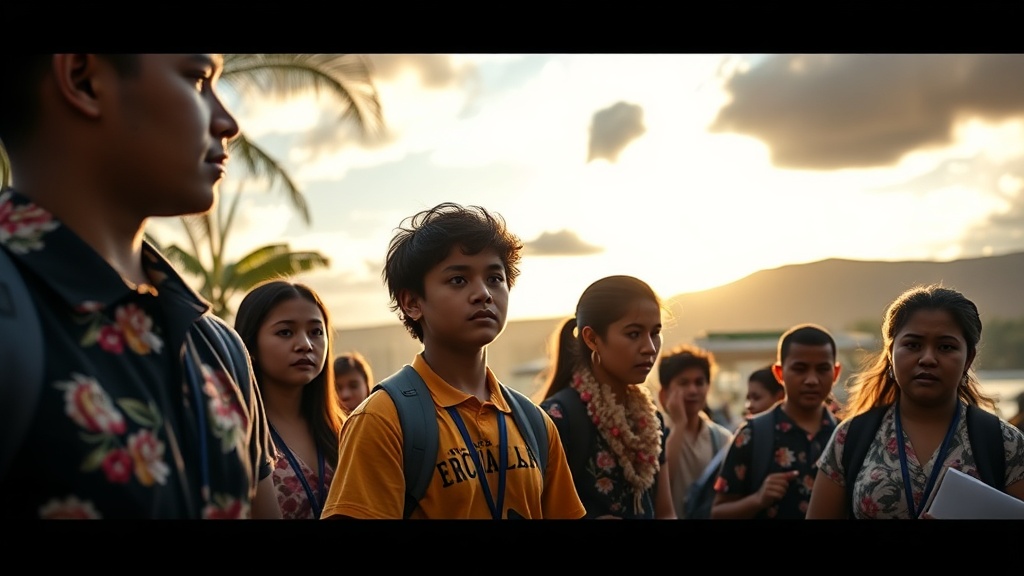
As a new semester begins at Brigham Young University-Hawaii (BYU-Hawaii), Tongan students are grappling with a unique set of challenges stemming from recent travel restrictions imposed by the Trump administration. Following the announcement of a travel ban affecting specific countries, including Tonga, numerous students find themselves in a precarious situation that complicates their academic journey and personal lives.
For many Tongan students, the start of the semester typically brings the usual challenges of adjusting to new professors, schedules, and living arrangements. However, this year, the added layer of uncertainty regarding immigration status has exacerbated the stress that comes with starting college. The travel ban, which aims to limit entry into the United States from certain nations due to security concerns, has left many students unsure about their ability to continue their studies or return home if necessary.
The travel restrictions, officially announced in late 2017, have raised significant concerns among the Tongan community at BYU-Hawaii. With many students relying on family support and local resources, the implications of the ban extend beyond individual students; they affect families and communities back home in Tonga. The adjustment to life in Hawaii, which already includes cultural and social challenges, has been intensified by the fear of being unable to return home or see family members.
Amelia Tuita, a sophomore at BYU-Hawaii, shared her thoughts on the situation. "It’s really stressful. I came here to study and build a future, but now I worry about what will happen if I need to go back home or if my family can visit me. Every time I hear something about the ban, my heart races. It’s like living in limbo," she said. Tuita's sentiments reflect a broader anxiety among her peers who feel caught between their academic aspirations and the political landscape.
The university administration has been working to support affected students by providing information about their immigration statuses and available resources. BYU-Hawaii has hosted informational sessions aimed at helping students understand their rights and options under the new restrictions. However, many students still feel overwhelmed by the complexities of immigration law and the fear of potential deportation.
In addition to the emotional toll, the travel ban has financial implications. Many Tongan students rely on scholarships and financial aid that may require them to maintain a specific immigration status. Uncertainty around their ability to remain in the U.S. could jeopardize their funding and lead to further complications in completing their education. The university is exploring ways to assist these students, but the challenges remain daunting.
Community organizations in Hawaii have also stepped in to provide support. Local churches and cultural groups are offering counseling services and financial assistance to students struggling with the implications of the travel ban. These organizations are crucial in helping students feel connected to their roots while navigating the complexities of living abroad under restrictive policies.
Despite the challenges, many Tongan students express a determination to persevere. The cultural resilience that is often celebrated within the Tongan community is evident as students come together to support one another through this tumultuous time. Study groups, cultural gatherings, and peer support networks are being organized to foster a sense of community and shared experience.
As the semester progresses, the situation continues to evolve. Tongan students at BYU-Hawaii remain hopeful for changes in immigration policy that would alleviate their concerns. Advocacy organizations are actively working to challenge travel bans and seek reforms that would protect the rights of international students.
In conclusion, the travel ban imposed by the Trump administration has cast a shadow over the academic pursuits of Tongan students at BYU-Hawaii. As they navigate their studies, these students are also dealing with the uncertainty of their immigration status, which affects not only their education but also their personal lives and connections to family in Tonga. With support from the university, local organizations, and their community, these students are striving to find a path forward amid the challenges they face. Their resilience and determination exemplify the strength of the Tongan spirit, even in the face of adversity.