Utah's Viability as a Winter Games Host: Climate Change Insights
Utah remains a leading candidate for future Winter Games, thanks to favorable climate conditions amidst climate change concerns.
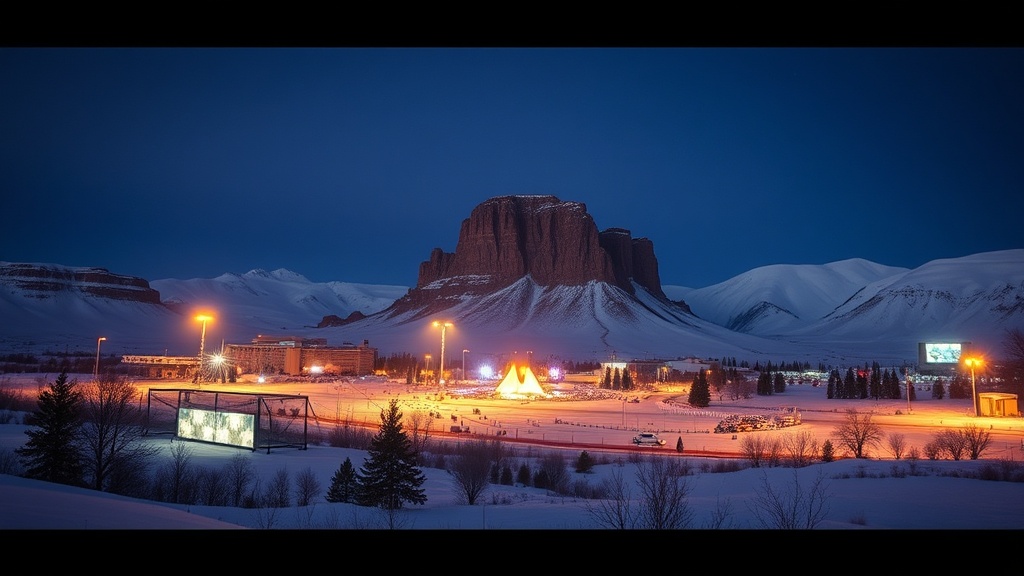
As the world grapples with the escalating effects of climate change, the future of winter sports hosting is becoming increasingly uncertain. A recent study has shed light on how climate change affects potential Winter Games sites, revealing that Utah remains among a select few locations worldwide that could be viable for hosting Winter Games well into the future. This assessment is particularly pertinent as Utah prepares to potentially host the Winter Olympic Games in 2034, a major event that could revitalize the local economy and enhance the state’s profile on the global sports stage.
Historically, Utah has been a prominent player in the winter sports arena, having hosted the 2002 Winter Olympics in Salt Lake City. The event was hailed as a successful showcase of winter sports, earning accolades for its organization and the enthusiasm of local residents. Since then, the state has continued to develop its winter sports infrastructure, with ski resorts and training facilities that attract athletes from around the world. However, with climate change posing a significant threat to traditional winter sports venues, the sustainability of such events in the future has become a critical concern.
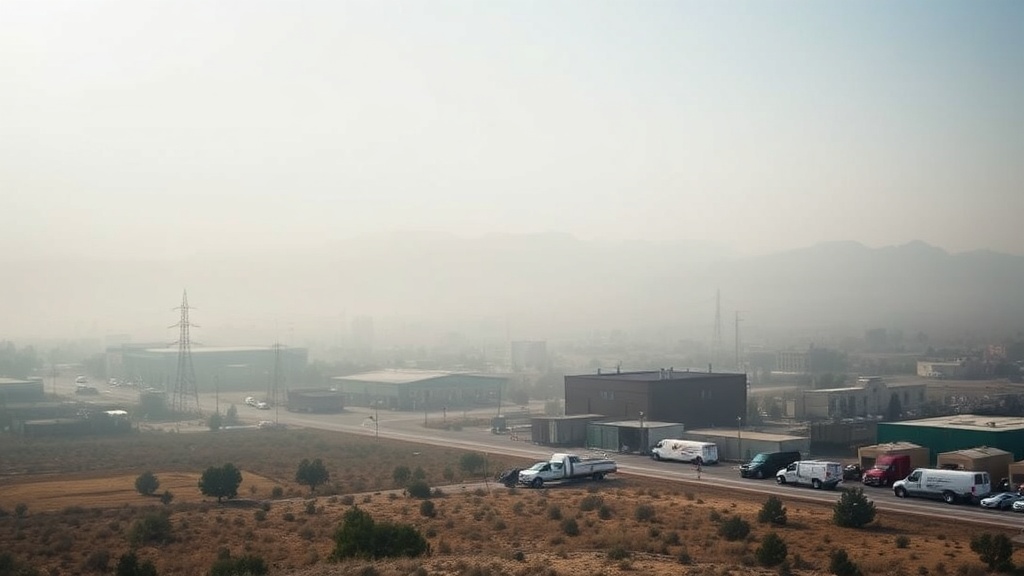
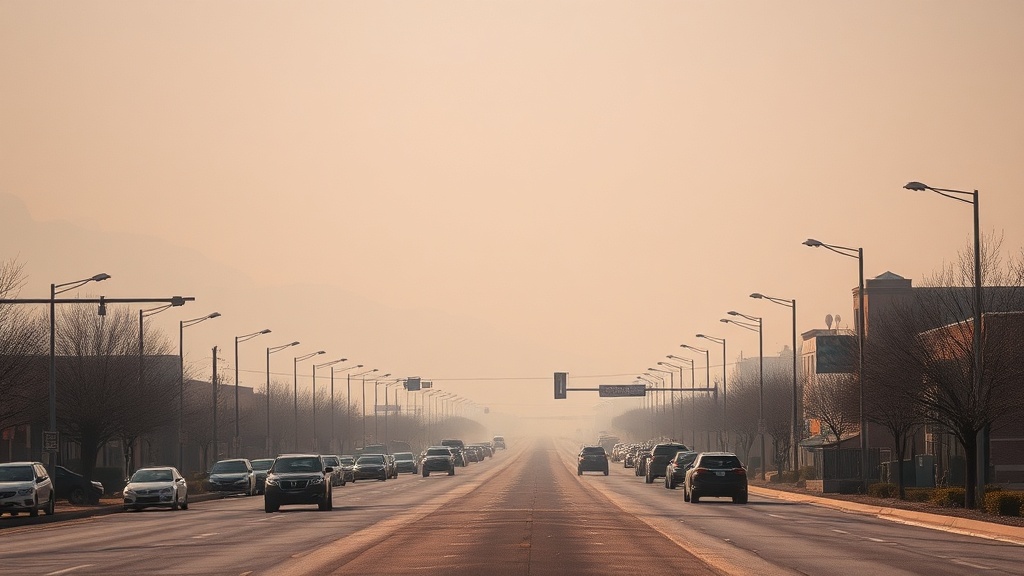
The recent study, conducted by climate researchers, examines various locations across the globe, evaluating their potential to host winter sports events in light of rising temperatures and changing weather patterns. The findings indicate that many traditional winter sports venues, particularly those at lower altitudes, face increasing risks of insufficient snow cover and warmer temperatures. This creates challenges for event organizers who rely on consistent, cold conditions to ensure the viability of competitions.
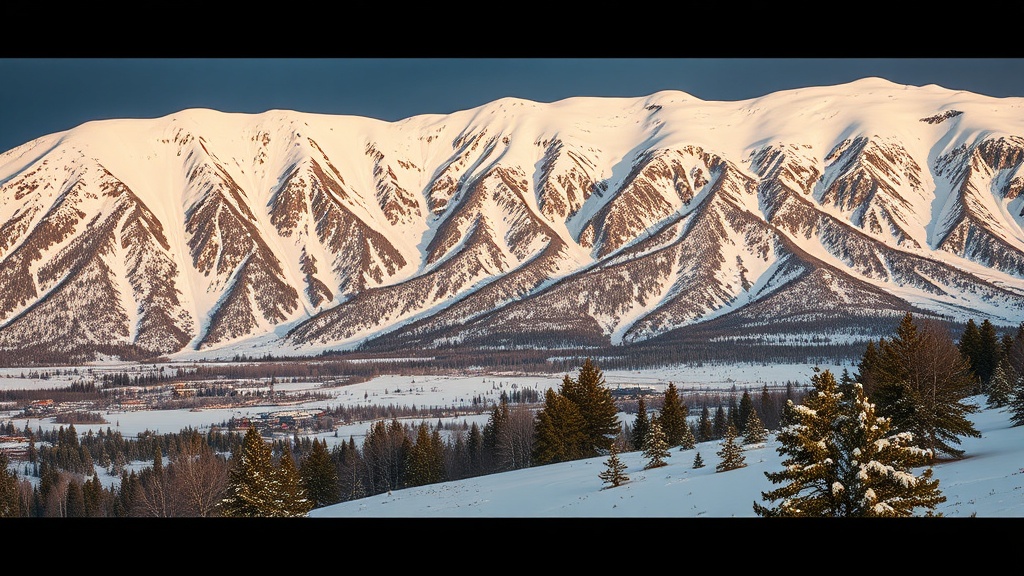
Utah's climate, characterized by its high elevation and typically cold winters, positions it favorably compared to many other potential hosts. Salt Lake City and the surrounding Wasatch Range benefit from a unique geographic advantage that contributes to reliable snowfall during the winter months. The region’s ability to maintain adequate snowpack levels, even as global temperatures continue to climb, is a critical factor that enhances Utah’s candidacy for future Winter Games.
Experts in climate science have noted that while no location is completely immune to the impacts of climate change, Utah's current climatic conditions may allow it to remain a suitable option for winter sports for years to come. "The key is elevation and consistent weather patterns," said Dr. Emily Johnson, a climate researcher involved in the study. "Utah has a combination of these factors that many other regions simply do not possess."
This positive outlook for Utah is supported by ongoing investments in infrastructure and sustainability initiatives aimed at mitigating the effects of climate change. The state has been proactive in adopting policies to enhance snowmaking capabilities and improve energy efficiency at ski resorts. Additionally, local organizations and government bodies have initiated programs aimed at environmental conservation, further bolstering the region's commitment to sustainability in winter sports.
As Utah gears up for the possibility of hosting the Winter Games, local officials and stakeholders are keenly aware of the broader implications of climate change on the region's economy and community. The potential influx of visitors during the Winter Games is expected to provide a substantial economic boost, not only for Salt Lake City but for the surrounding areas as well. In preparation, hotels, restaurants, and other local businesses are looking to enhance their offerings and services to accommodate the anticipated surge in tourism.
However, the conversation around climate change also brings a sense of urgency. Local leaders are advocating for more robust action to combat the effects of climate change, recognizing that the future of winter sports, and the economic benefits they bring, hinge on proactive measures. "The opportunity to host the Winter Games is not just about the event itself; it's about ensuring that we have a sustainable environment for future generations," stated Utah Governor Spencer Cox during a recent press conference.
In conclusion, as Utah looks towards 2034 and potentially beyond, the intersection of climate change and winter sports presents both challenges and opportunities. With a favorable climate, ongoing investments in infrastructure, and a strong commitment to sustainability, Utah stands poised to maintain its status as a premier destination for winter sports events. However, the pressing need for continued action against climate change will be paramount to ensure that future generations can enjoy the same winter sports legacy that has defined the state for years. The stakes are high, and the path forward will require collaboration among stakeholders, communities, and policymakers to navigate the complexities of climate change while embracing the rich traditions of winter sports in Utah.