Persistent Haze and Poor Air Quality Predicted for Utah This Friday
Utah faces continued hazy skies and poor air quality as a high-pressure system causes inversion. Residents are advised to limit outdoor activities.
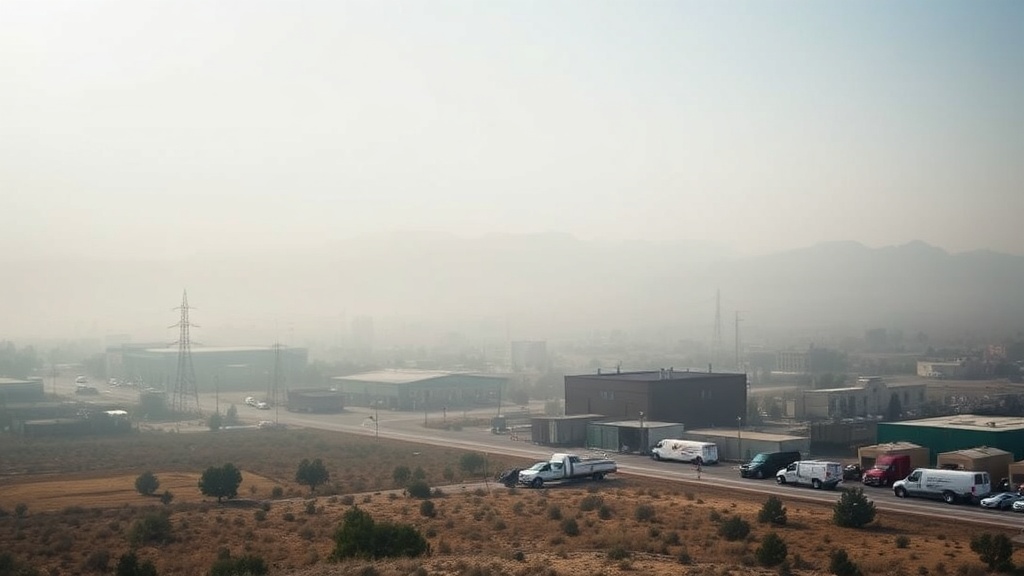
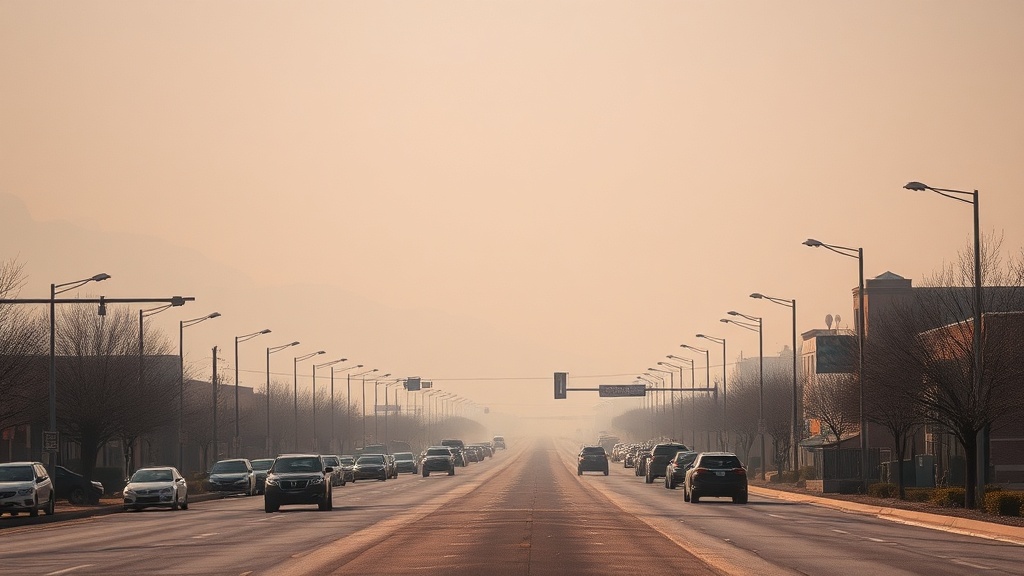
Utah residents are bracing for continued poor air quality and hazy skies as a significant ridge of high pressure settles over the western United States. Meteorologists have indicated that this atmospheric phenomenon, characterized by stagnant air, is leading to inversion conditions that heighten pollution levels and contribute to cooler temperatures in the valleys. As a result, many individuals, particularly those with respiratory conditions, are advised to limit outdoor activities and take precautions to protect their health.
The National Weather Service (NWS) has been closely monitoring the air quality across the state, particularly in urban areas such as Salt Lake City and Provo, where the effects of the inversion are most pronounced. According to the latest air quality index (AQI) reports, levels of particulate matter (PM2.5) have reached unhealthy thresholds, prompting health officials to issue warnings. Dr. Emily Rogers, a public health expert with the Utah Department of Environmental Quality, stated, "When air quality dips into the unhealthy range, it can exacerbate existing health issues and pose a risk to vulnerable populations such as children, the elderly, and those with pre-existing respiratory illnesses."
The current weather patterns are largely the result of a strong high-pressure system that has parked itself over the region. This system traps air near the surface, preventing it from mixing with the cleaner air above. As a result, pollutants emitted from vehicles, industries, and residential heating systems accumulate, leading to the persistent haze that has become a familiar sight for Utahns. This weather pattern is not uncommon for the state during the winter months, but the current conditions have been more severe than usual.
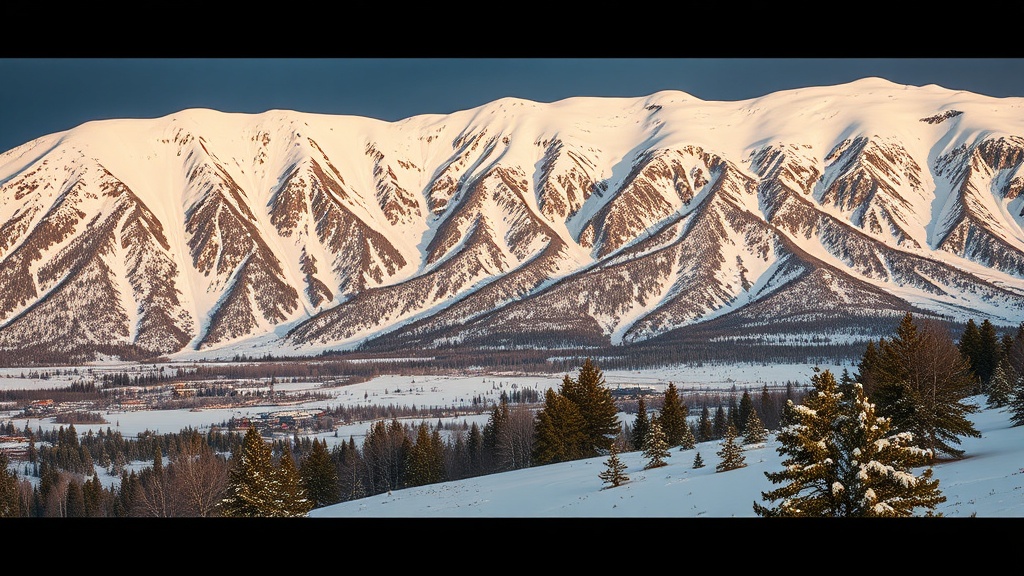
Local meteorologist Jon Miller explained, "High pressure systems can create stagnant air for several days or even weeks, especially in mountainous regions like ours. The geography of Utah, with its surrounding mountains, can intensify these inversions, leading to a buildup of pollutants."
In response to the deteriorating air quality, local officials have urged residents to consider alternative transportation methods, such as carpooling or using public transit, to reduce emissions. Salt Lake City's Mayor, Erin Mendenhall, emphasized the importance of community action during these challenging times. "We all have a role to play in improving our air quality. Small changes in our daily routines can collectively make a significant difference. I encourage everyone to be mindful of their activities and to stay informed about air quality updates."
While the current conditions are challenging, there are hopes that a weather change could bring relief. The NWS has indicated that a cold front may move into the area over the weekend, which could help disperse the stagnant air and improve air quality. However, meteorologists caution that the timing and impact of this change remain uncertain. Residents are urged to stay vigilant and prepared for potential fluctuations in air quality.
In the meantime, community health organizations have ramped up efforts to educate the public about the risks associated with poor air quality. The Utah Clean Air Partnership (UCAIR) is distributing resources and information on how to minimize exposure to pollutants, including tips on indoor air quality and safe outdoor practices. Executive Director Lisa Smith noted, "We want residents to be proactive about their health during these inversions. Simple actions can help reduce exposure, such as staying indoors on high pollution days and using air purifiers."
For individuals who must venture outdoors, it is recommended to wear masks that filter out fine particulate matter, stay hydrated, and limit strenuous physical activity. The Utah Department of Health has also set up a hotline for residents to report air quality concerns and access real-time updates.
As Utahns navigate the challenges of reduced air quality, the importance of long-term solutions to combat air pollution remains a critical conversation. Environmental advocates are calling for increased investment in renewable energy sources, expanded public transportation systems, and stricter regulations on emissions from vehicles and industries. These measures are seen as essential for creating a healthier environment that protects both public health and the natural beauty of the state.
In conclusion, the persistent haze and poor air quality affecting Utah this Friday serve as a stark reminder of the environmental challenges faced by the region. With community cooperation, public awareness, and potential changes in weather patterns, residents hope for clearer skies and improved air quality in the days ahead. Until then, vigilance and proactive measures will be key in safeguarding health during this inversion episode.