Salt Lake City's Air Quality Plummets as Inversion Traps Pollution
Salt Lake City faces severe air quality issues as winter inversion traps pollution, ranking it worst in the nation this week.

SALT LAKE CITY, UT — This week, the air quality in Salt Lake City and surrounding Wasatch Front communities has deteriorated significantly due to a winter temperature inversion, resulting in the city ranking as the worst in the United States for air quality. The inversion, which traps cold air beneath a layer of warmer air, has caused pollutants to accumulate in the Salt Lake Valley, creating unhealthy conditions for residents. The Utah Division of Air Quality (DAQ) has responded by implementing mandatory "no-burn" restrictions in an effort to combat the rising pollution levels.
On Monday, January 12, the air quality index (AQI) for several cities in the Salt Lake Valley plummeted, with readings categorized as “unhealthy for sensitive groups.” By Tuesday, January 13, Salt Lake City reported an AQI score of 123 at 2:45 PM, making it the city with the poorest air quality in the nation, as confirmed by multiple sources including Fox 13 and the Salt Lake Tribune. The National Weather Service corroborated these findings, highlighting the severity of the air quality crisis.
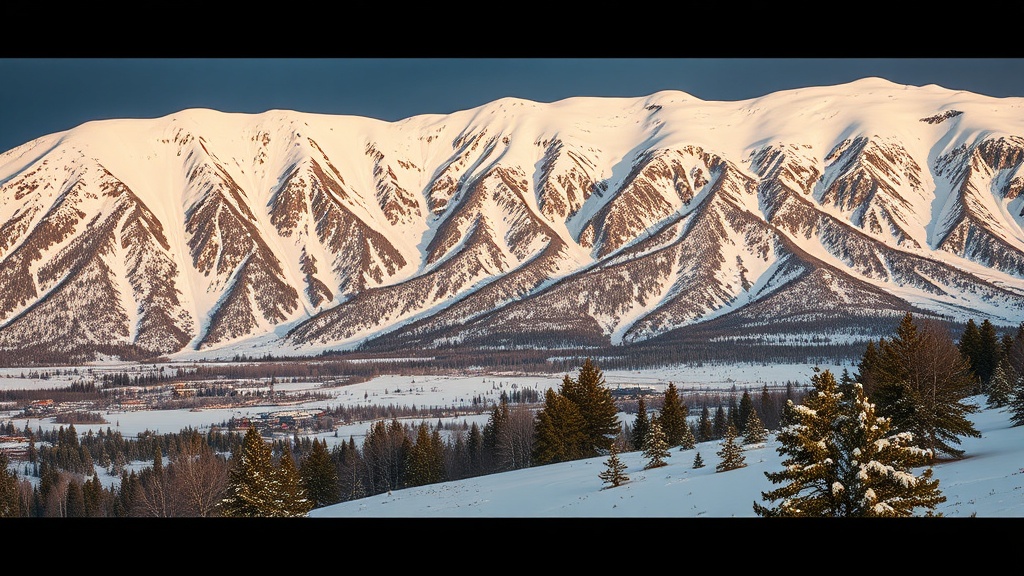
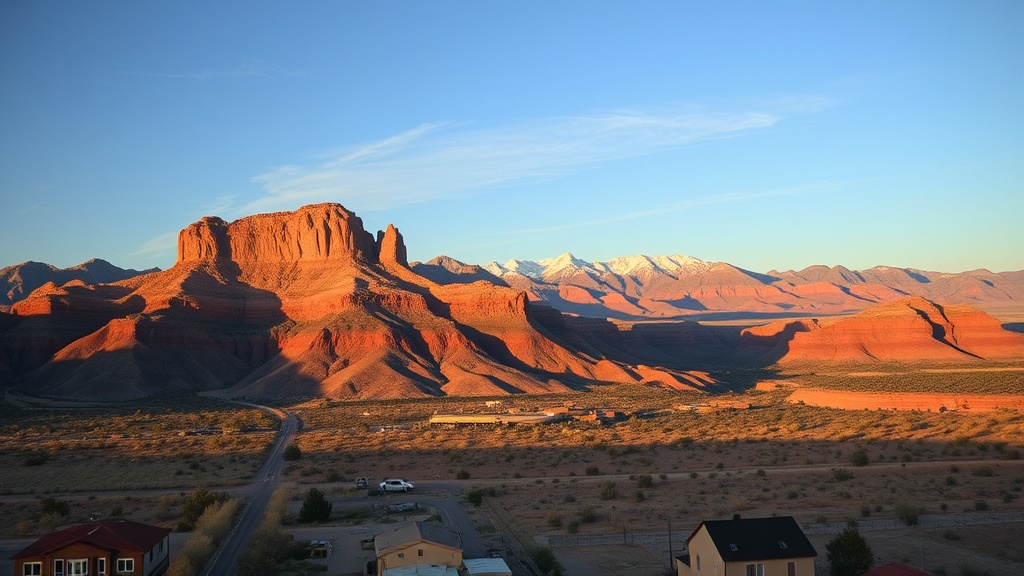
The inversion phenomenon occurs when a layer of cold air becomes trapped near the surface of the Earth, while warmer air sits above. This atmospheric condition prevents the normal mixing of air that typically helps disperse pollutants. According to the Utah Department of Environmental Quality, the state’s unique topography—with mountains encircling the valley—intensifies the impact of inversions, further exacerbating air quality issues in the region.
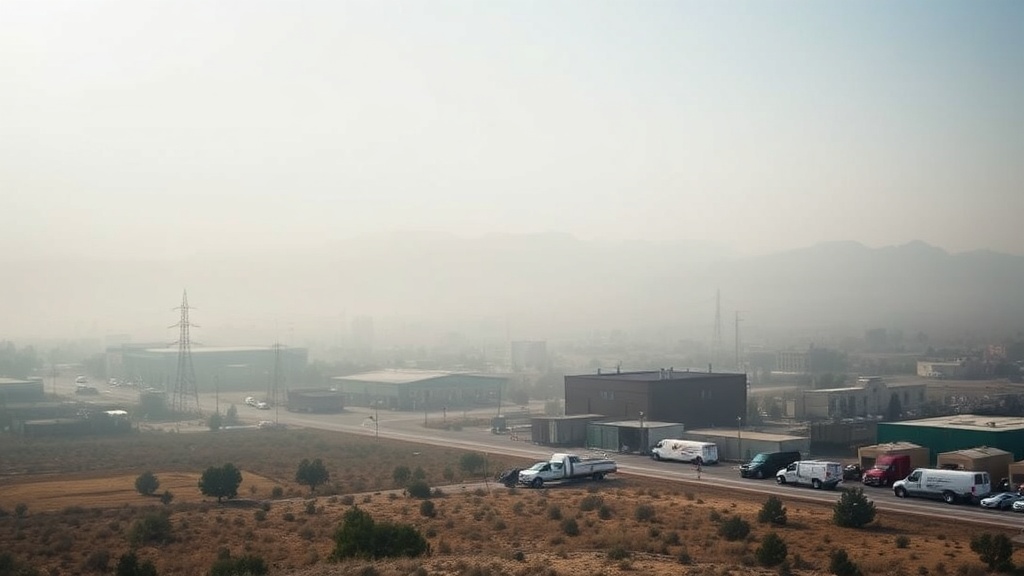
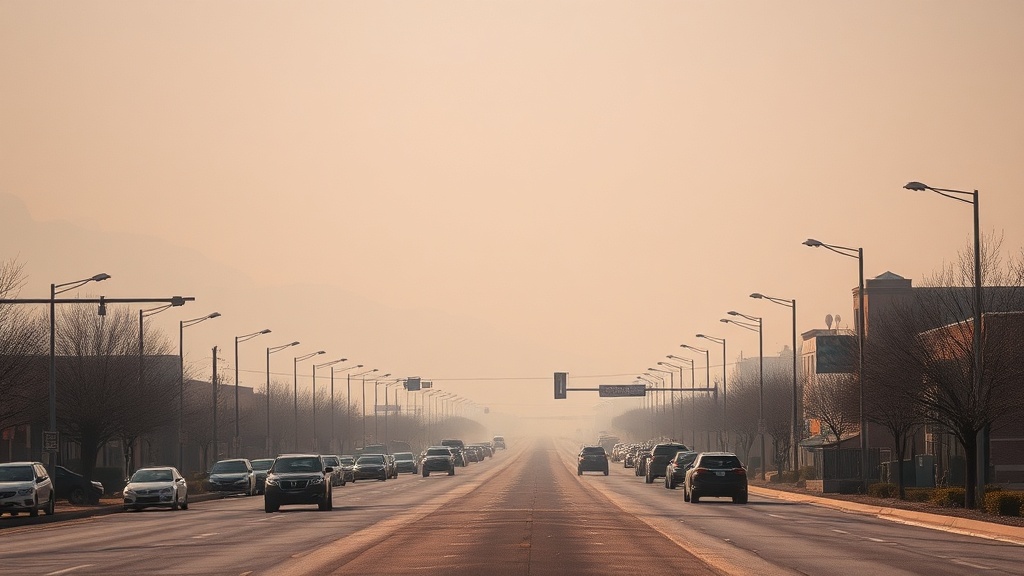
Local residents were treated to a stark visual reminder of the poor air quality as thick layers of smog blanketed the valley. Images captured from the Alta Ski Area in Little Cottonwood Canyon showcased a hazy view of the Salt Lake Valley below, emphasizing the severity of the situation. The DAQ's sensors indicated elevated levels of fine particulate matter (PM2.5), which is particularly harmful to vulnerable populations, including children, the elderly, and individuals with pre-existing health conditions.
As the week progressed, air quality data remained concerning. On Thursday, the DAQ reported that fine-particle pollution levels continued to exceed safe thresholds, although officials noted that the data had not yet undergone thorough quality checks. The forecast projected that unhealthy air conditions would persist into the weekend, maintaining mandatory no-burn regulations that prohibit the use of fire pits and campfires.
The National Weather Service's forecast discussion indicated that the stagnant air associated with the current inversion would likely remain until Friday, resulting in decreasing visibility and further air quality degradation along the Wasatch Front. With these conditions, residents are urged to limit outdoor activities, particularly those that require prolonged exertion, in accordance with guidance from health officials.
The Environmental Protection Agency (EPA) classifies air quality levels, and readings between 101 and 150 on the AQI scale are designated as “Unhealthy for Sensitive Groups.” Individuals in these groups are advised to track air quality conditions closely, as they can fluctuate rapidly. Health officials caution that exposure to poor air quality can lead to respiratory issues and other health complications.
In light of the current crisis, community members are encouraged to stay informed about air quality conditions through the Utah DAQ’s website at air.utah.gov, which offers real-time updates and forecasts. National air quality categories and guidance can be accessed at airnow.gov, providing residents with essential information to navigate the ongoing air quality challenges.
As Salt Lake City grapples with this environmental issue, the community's response will be critical. The interplay between local government policies, public health advisories, and individual actions will determine the effectiveness of efforts to improve air quality in the region. Awareness and action are vital as residents face the dual challenge of enjoying winter activities while safeguarding their health amidst the current air quality crisis.