Utah's Sunny Skies Persist Amid Hazy Inversion and High Temperatures
Utah experiences sunny skies and high temperatures, but persistent inversion raises air quality concerns for residents.

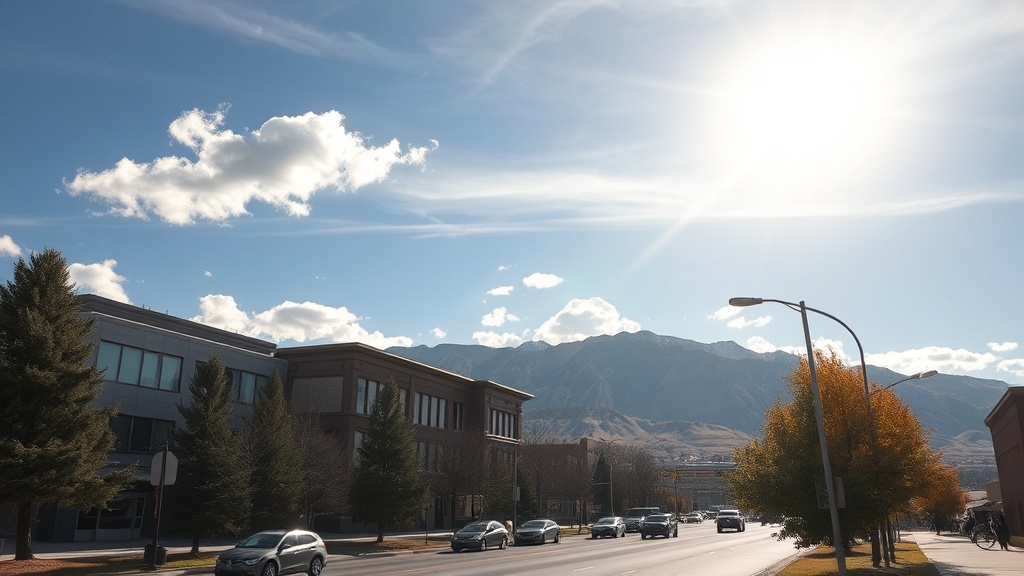
As Utah residents enjoy a sunny Sunday, they are also experiencing the effects of persistent inversion conditions that have settled over the state. According to the National Weather Service, a high-pressure system is firmly in place over much of the Western United States, leading to clear skies and above-average temperatures across the region. This meteorological phenomenon is expected to continue for the coming days, prompting both residents and environmental officials to stay vigilant about air quality and health implications.
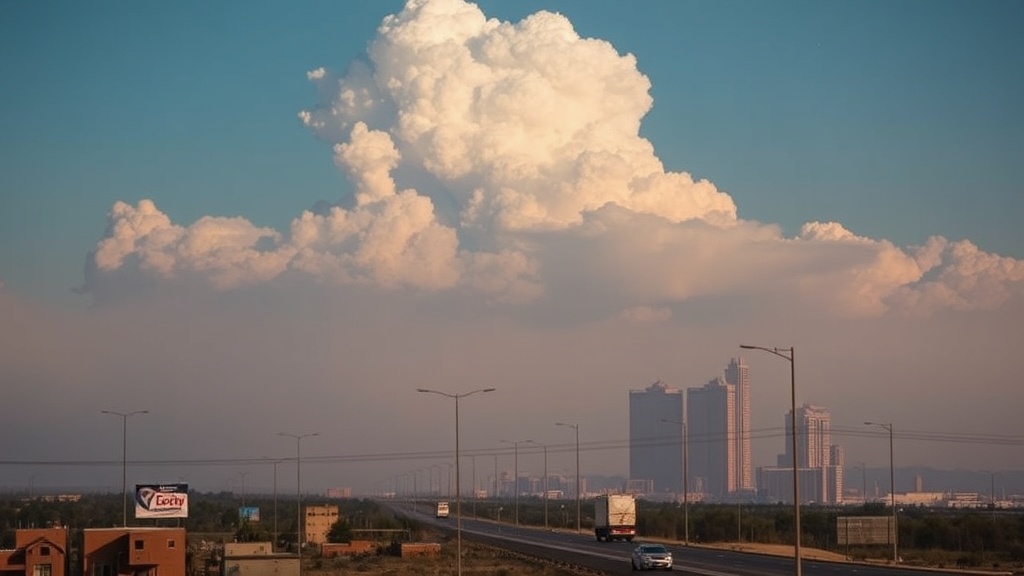
Inversions occur when a layer of warm air traps cooler air close to the ground, preventing it from dispersing. This phenomenon is particularly common during winter months in Utah, but the current conditions are notable for their length and intensity. As temperatures soar above seasonal averages, many residents are taking advantage of outdoor activities, while others are wary of the potential health risks associated with air pollution trapped beneath the inversion layer.
Meteorologist Jane Doe from the National Weather Service explained the current situation, stating, "We are experiencing a classic inversion scenario, where warm air is acting as a lid on cooler air. This not only keeps temperatures higher but also prevents pollutants from dispersing, leading to hazy conditions that can affect respiratory health."
The impact of these inversion conditions can be felt in various ways. Air quality indices in major cities such as Salt Lake City have been reported as moderate to unhealthy at times, particularly for sensitive groups such as those with pre-existing health conditions, children, and the elderly. The Utah Department of Environmental Quality (DEQ) has issued advisories urging residents to limit outdoor activities, especially during peak pollution hours. A spokesperson from DEQ mentioned, "It's crucial for individuals who are sensitive to air quality to take precautions, such as staying indoors and avoiding strenuous activities."
Local authorities are also taking steps to mitigate the air quality concerns associated with the inversion. Initiatives such as the “Clean Air Challenge” have been launched, encouraging residents to carpool, use public transportation, or bike to work. These efforts aim to reduce vehicular emissions, which contribute significantly to the pollution trapped during inversion events. The public response has been encouraging, with many residents embracing the challenge as they seek to improve air quality in their communities.
In addition to air quality concerns, the prolonged sunny weather has raised questions about water conservation as Utah grapples with ongoing drought conditions. The state has experienced below-average snowfall this winter, which is crucial for replenishing water sources in the region. Experts warn that while the sunny weather is pleasant, it exacerbates the already critical situation regarding water resources. Local farmer John Smith noted, "We rely heavily on the snowpack to irrigate our crops. If the trend continues, we might have to rethink our water usage and planting schedules."
As temperatures rise, residents are also reminded of the importance of hydration and sun protection. Local health departments have initiated campaigns to educate the public about the risks of heat-related illnesses and the importance of staying hydrated, particularly for those engaging in outdoor activities. Dr. Emily Johnson, a public health official, emphasized the importance of awareness, stating, "It's essential for everyone to recognize the signs of heat exhaustion and dehydration, especially during periods of high temperatures and clear skies."
Looking ahead, the forecast indicates that these inversion conditions may persist for several more days. Meteorologists predict that a change in weather patterns could arrive later in the week, potentially alleviating some of the air quality issues. However, until then, residents are encouraged to remain informed and proactive about their health and the environment.
In summary, while Utah enjoys sunny skies and warm temperatures, the ongoing inversion conditions pose significant challenges regarding air quality and health. As residents navigate these conditions, community and health officials stress the importance of staying informed, reducing pollutants, and protecting personal well-being. The interplay between enjoying the beautiful weather and managing environmental concerns highlights the ongoing challenges faced by the state as it seeks to balance quality of life with public health. As always, staying connected with local weather reports and air quality updates will be vital for Utahns in the days to come.