Utah's Air Quality Challenges: Inversion Lingers Into the Work Week
Utah faces air quality challenges as inversions linger into the work week, with slight improvements expected but haze returning midweek.
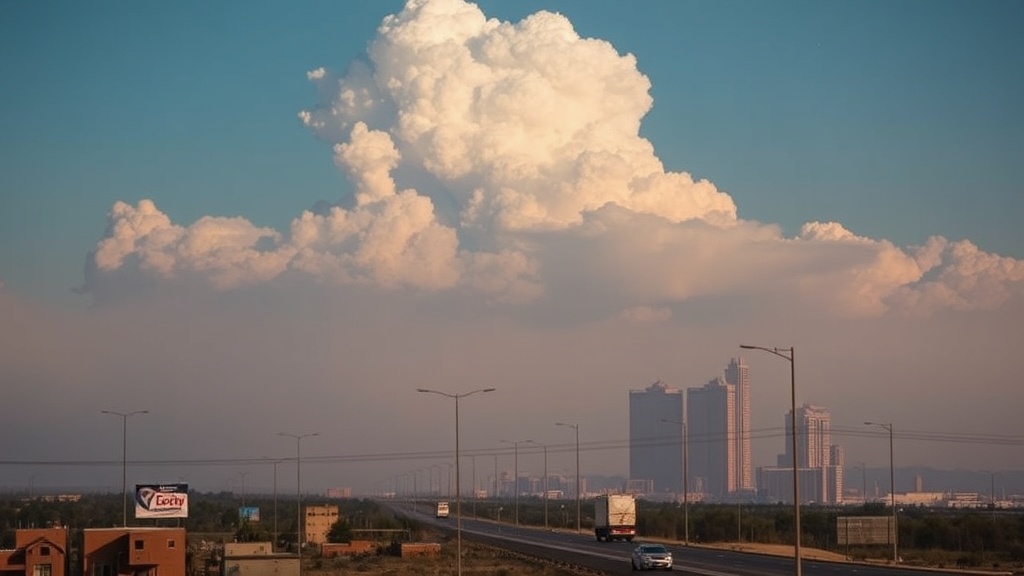
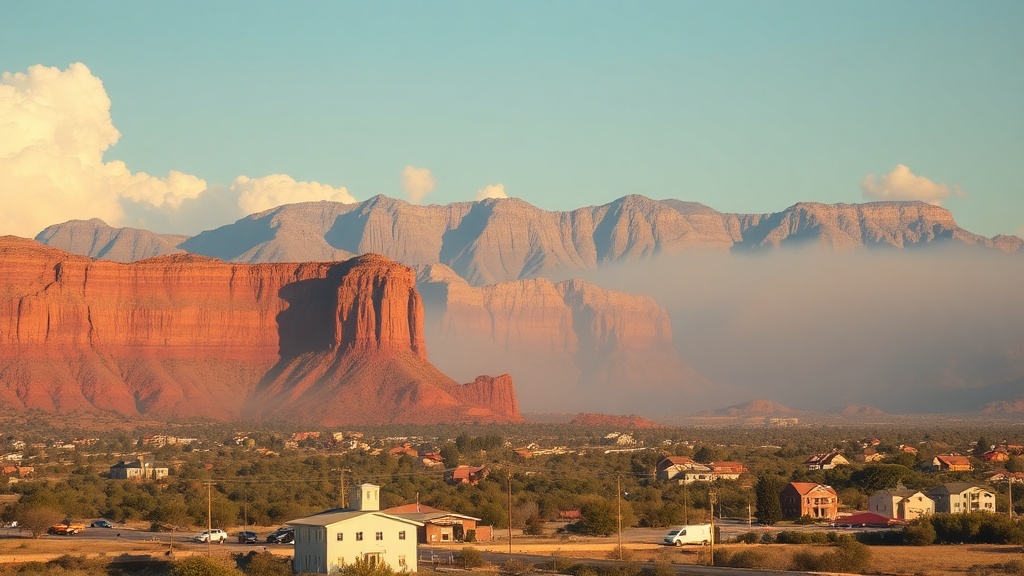
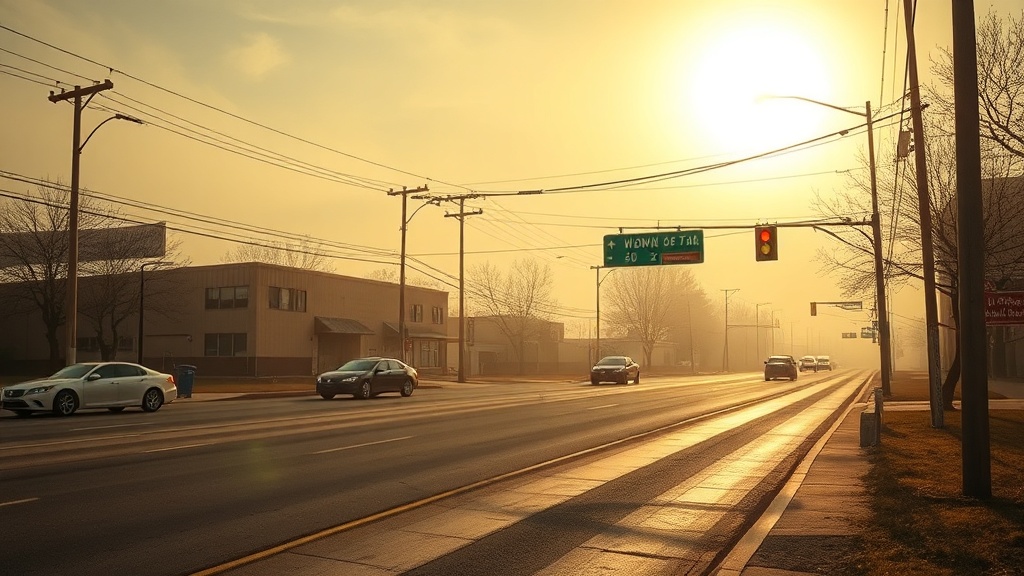
As Utahns prepare to return to work following the weekend, they face lingering air quality challenges attributed to temperature inversions. The state has been experiencing a weather phenomenon that traps cold air and pollutants close to the ground, leading to increased haze and reduced visibility in several northern valleys. However, weather forecasts indicate that conditions may be slightly improved as the week begins, offering a glimmer of hope for better air quality.
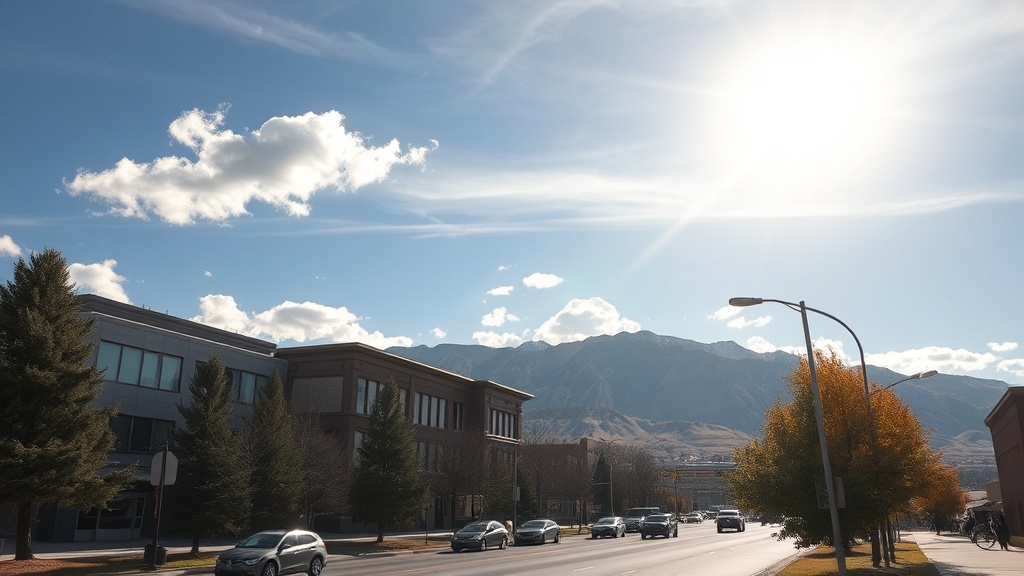
On Sunday, residents were greeted with mostly sunny skies and a slight warming trend. This shift in weather, while modest, is expected to help mitigate the intensity of the temperature inversion, which has been a persistent issue in the region. According to meteorologists, weaker inversions are anticipated to continue through at least Monday, which should help keep air quality levels somewhat manageable compared to the more severe inversions that typically blanket the valleys during winter months.
"Although air quality will not be perfect, we expect conditions to be better than in previous weeks," said meteorologist Jane Doe from the National Weather Service (NWS). "The weaker inversions will help to limit the extent of haze that typically accumulates in the valleys when temperatures drop."
Despite the slight improvements, the haze is expected to return as the work week progresses. Forecasts indicate that the air quality may deteriorate by late Tuesday into Wednesday, with levels reaching the moderate to unhealthy category for sensitive groups. High-pressure systems, which typically contribute to the development of inversions, are predicted to persist in the region, thereby exacerbating air quality issues.
The ongoing inversions have raised concerns among health officials, particularly for vulnerable populations such as children, the elderly, and individuals with pre-existing health conditions. The Utah Department of Environmental Quality (DEQ) has been closely monitoring air quality and advises residents to take precautions, especially if they belong to sensitive groups or have respiratory issues. "It’s crucial for individuals with asthma or other lung conditions to limit outdoor activities during periods of poor air quality," stated Dr. John Smith, an environmental health expert.
Looking ahead, weather models suggest that Utah may experience a significant shift in conditions late next week, between Friday and Sunday. Meteorologists are eyeing a potential storm system that could bring much-needed precipitation to the area. While it is still too early to confirm specific snow totals, initial forecasts indicate that northern mountain areas could see accumulations ranging from 3 to 6 inches. This storm system may not be a blockbuster, but it is anticipated to be cold enough to help disperse some of the trapped pollutants in the valleys.
"A storm system like this can serve as a natural air cleaner, helping to clear out some of the pollution that has built up during the inversions," remarked meteorologist Jane Doe. As the week progresses, the exact timing and strength of the storm remain uncertain, but meteorologists are optimistic that it will provide relief from the persistent air quality issues that have plagued the region.
In the meantime, residents are encouraged to remain vigilant about air quality conditions. The Utah Weather Authority has launched a free mobile app that provides real-time updates, forecasts, and alerts regarding air quality. By downloading the app, residents can stay informed and take necessary precautions to protect their health and well-being.
As Utah grapples with these ongoing air quality challenges, it serves as a reminder of the complex interplay between weather patterns and public health. The inversion events, while natural phenomena, highlight the importance of monitoring air quality and taking proactive measures to safeguard community health. As the week unfolds, all eyes will be on the skies, hoping for a significant change that could bring relief from the current haze and improve the overall quality of life for Utahns.
For the latest updates on air quality and weather forecasts, residents can visit the Utah Weather Authority website or sign up for email alerts directly to their inbox. The impact of air quality on health cannot be underestimated, and staying informed is key to ensuring a safe environment for everyone in the community.