Concerns Rise Over Potential Budget Cuts to Utah's Mental Health and Education Programs
Utah faces potential budget cuts to mental health and educational programs, raising concerns among educators and community advocates.

In a shocking turn of events, Utah's education community is bracing for significant budget cuts that could impact essential mental health resources and educational programs across the state. The Utah State Board of Education, under directive from the state legislature, has been asked to identify areas where they can trim approximately 5 percent from their funding. This financial tightening comes amid growing concerns about mental health issues among students, especially in light of rising suicide rates and the increasing need for accessible resources.
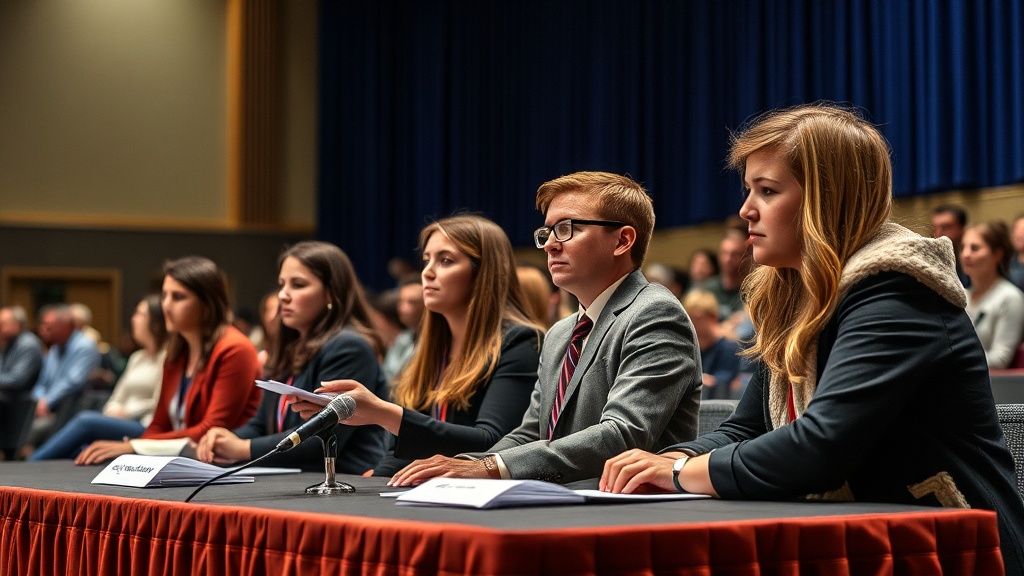
The implications of these cuts are vast and alarming. With less than a day's notice, educators, administrators, parents, and advocates for mental health initiatives gathered for a state board meeting on Thursday afternoon. Their presence underscored the urgency of the situation, as many feared that critical programs aimed at suicide prevention, dual immersion, pre-kindergarten education, and homeschooling grants could be on the chopping block.
Pamela Gee, the program director with the Utah Festival Opera and Musical Theatre, traveled from Logan to attend the meeting. She passionately advocated for the arts, emphasizing their importance in fostering emotional well-being among students. "It helps them navigate their own thoughts and feelings and really makes them feel in charge of their own humanity," she stated. Gee's program is one of approximately 15 professional outreach initiatives that provide students with free access to arts education, a vital component of a well-rounded education that supports mental health.
As the meeting unfolded, participants expressed their anxiety and concern about the potential cuts. Many learned about the proposed reductions with little time to prepare, making the atmosphere tense and charged. "I think it was so important because there was no public comment today, to be present, visible, and in the room," Gee noted. Despite the lack of opportunity for public feedback at the meeting, she and others were determined to make their voices heard through their physical presence.
Board member Cindy Davis acknowledged the concerns raised by attendees. She expressed gratitude for the community's input, stating, "Thank you for weighing in, thank you for contacting us. I don’t know a single board member who wasn’t grateful for hearing and learning what our public truly wants in our schools." This sentiment highlights the board's recognition of the importance of community feedback, especially on matters that directly affect the educational landscape.
Initially, the board faced the daunting task of considering cuts totaling around $300 million. However, after nearly five hours of deliberation, they were able to significantly reduce that figure to approximately $160 million. Ultimately, board members identified about $30 million in cuts that they would recommend to the legislature, demonstrating both a willingness to respond to the financial crisis and a commitment to preserving essential programs.
The cuts proposed include about $23 million targeted at contracted initiatives and grants. This encompasses funding for software licenses that support early literacy, administration costs related to special needs opportunity scholarships, the UPSTART pre-kindergarten program, and the Utah Private Course Choice Empowerment initiative. Additionally, the board suggested a reduction of around $6 million, which represents 5 percent of the Utah Fits All Scholarship program.
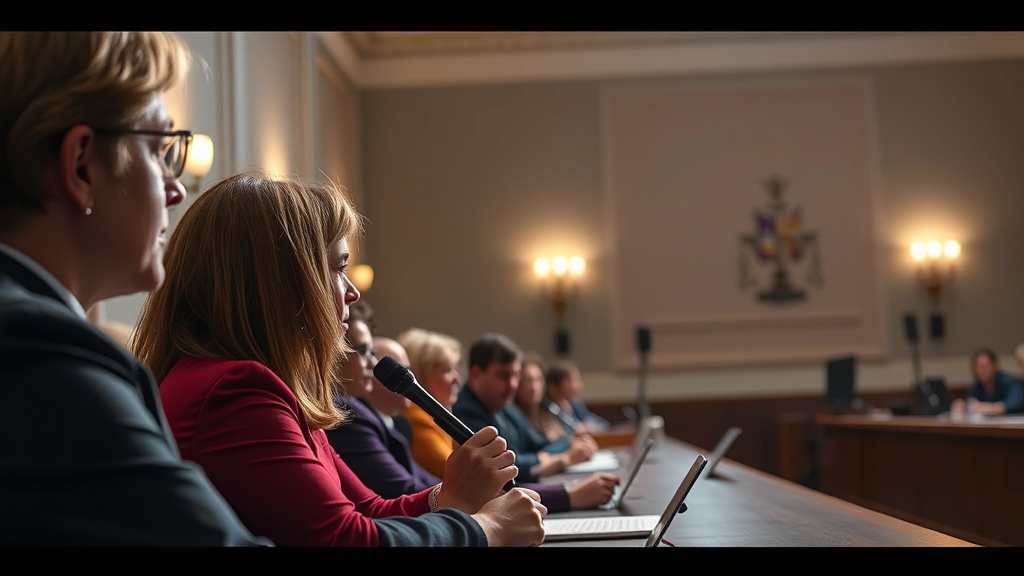
These recommendations will be forwarded to the legislative Public Education Appropriations Committee, which is scheduled to meet on January 21. While the board can advise on potential cuts, the ultimate decision regarding funding allocations resides with state lawmakers. This delineation is critical, as it underscores the complex interplay between educational governance and legislative authority.
As the situation unfolds, stakeholders in Utah's education system remain vigilant. The potential loss of funding for mental health resources is particularly concerning given the ongoing mental health crisis among youth in the state. According to recent statistics, Utah has one of the highest rates of youth suicide in the nation, making access to mental health services more crucial than ever.
The decisions made in the coming months will not only affect existing programs but also shape the future of educational and mental health resources available to Utah students. As advocates continue to push for the preservation of these vital services, the community awaits the legislature's final decisions, hoping for a resolution that prioritizes the well-being of its youth. The stakes are high, and the outcome will undoubtedly have lasting implications for students, families, and educators across Utah.